

[Casting Sand Technical Parameters and Conveying System Process]
HeadPowder, a leading provider in the casting industry, specializes in advanced casting sand solutions and efficient conveying systems. This article delves into the critical technical parameters of casting sand and the sophisticated processes involved in their transportation, offering insights for professionals seeking to optimize their casting operations.
Key Technical Parameters of Casting Sand
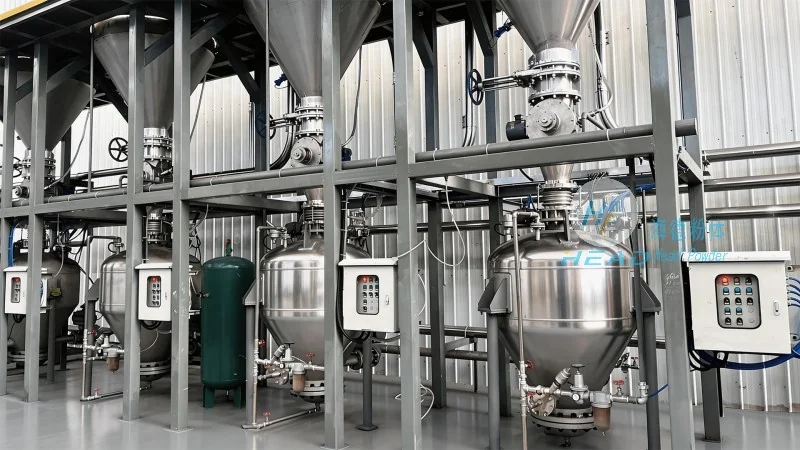
The performance of casting sand is directly influenced by several key technical parameters that ensure quality and efficiency in the casting process. These parameters are meticulously controlled to meet industry standards and customer requirements. The primary parameters include grain size distribution, moisture content, and bulk density, each playing a vital role in the overall functionality of the sand.
Grain size distribution refers to the proportion of different sand particle sizes within the mixture. A well-balanced distribution is crucial as it affects the sand's permeability, strength, and flow characteristics. For instance, a mix with a higher proportion of fine particles may enhance surface finish but could reduce permeability, while a mix with more coarse particles improves permeability but may affect dimensional accuracy. HeadPowder employs advanced testing methods to ensure precise grain size distribution, aligning with specific casting applications such as green sand, dry sand, or no-bake sand processes.
Moisture content is another critical parameter that impacts the sand's behavior during molding and casting. Excessive moisture can lead to defects like sand blow or poor surface finish, whereas insufficient moisture may cause the sand to become too dry and brittle, resulting in cracking or loss of shape. HeadPowder's production processes strictly monitor and control moisture levels, typically maintaining values within a narrow range suitable for the target casting method. This control is achieved through sophisticated drying and conditioning equipment, ensuring consistent quality across batches.
Bulk density, or the weight of a unit volume of sand, is essential for determining the volume of sand required for a given casting project. It influences the packing density of the mold and the overall weight of the casting. HeadPowder's technical team optimizes bulk density by adjusting the proportion of different sand components and the addition of binders or additives. Proper bulk density ensures that the sand can be easily handled and compacted, leading to uniform mold structures and consistent casting results.
The Conveying System Process for Casting Sand
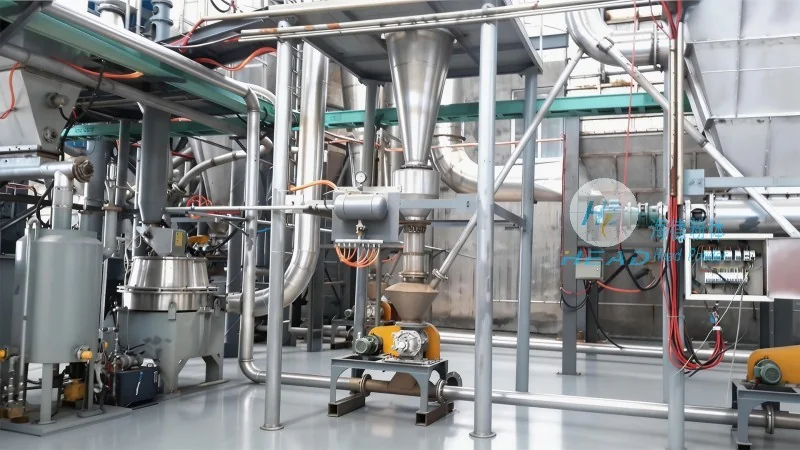
Efficient transportation of casting sand from storage to the molding area is vital for maintaining production efficiency and minimizing downtime. HeadPowder's conveying systems are designed to handle the unique characteristics of casting sand, ensuring smooth and reliable operation. The process involves several stages, each optimized for performance and durability.
The initial stage involves the storage of raw sand materials. HeadPowder utilizes large storage silos or hoppers to accommodate bulk quantities of sand, ensuring a steady supply for production. These storage systems are equipped with level sensors and feeding mechanisms that control the flow of sand into the conveying system, preventing overfilling or underfilling. The storage facilities are also designed to protect the sand from moisture and contamination, maintaining its quality before processing.
Once the sand is retrieved from storage, it is transferred to the conveying system. HeadPowder employs various types of conveyors, including screw conveyors, belt conveyors, and pneumatic conveying systems, depending on the specific requirements of the application. Screw conveyors are commonly used for horizontal or slight incline transport due to their ability to handle bulk materials without the need for external power sources beyond the motor. Belt conveyors are ideal for longer distances and larger volumes, providing consistent and high-capacity transport. Pneumatic conveying systems, on the other hand, are suitable for fine or dusty sand, as they use air pressure to move the material through pipelines, minimizing dust and ensuring a clean operation.
During the conveying process, the sand may undergo additional processing steps such as blending, conditioning, or drying. HeadPowder's systems integrate these processes seamlessly, ensuring that the sand reaches the molding area in the optimal condition. For example, blending different types of sand or adding binders is done in a mixing chamber before the sand is conveyed to the molding line. Conditioning equipment, such as rollers or vibrators, may be used to adjust the moisture content or improve the flowability of the sand, enhancing its performance in the molding process.
The final stage of the conveying system involves delivering the sand to the molding machines. The sand is typically discharged into hoppers or feeders attached to the molding equipment, where it is then compacted and shaped into molds. HeadPowder's conveying systems are designed to maintain a consistent flow rate and pressure, ensuring that the molding machines receive a steady supply of sand without interruptions. This consistency is crucial for maintaining the quality of the molds and, consequently, the final castings.
Optimizing Casting Operations with Advanced Technology
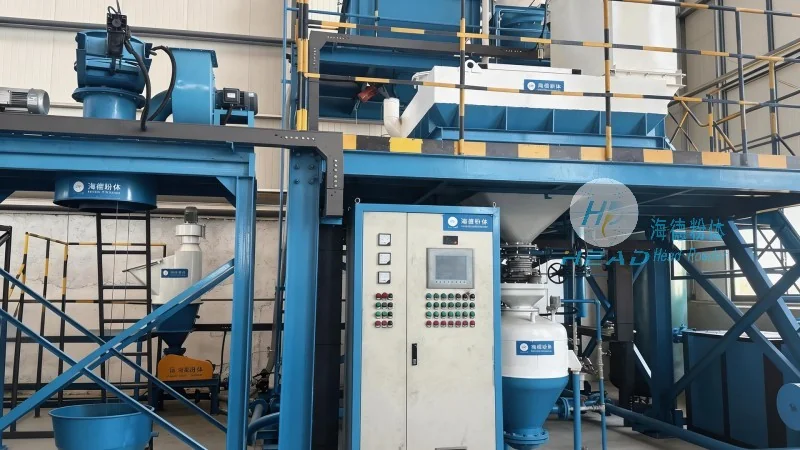
HeadPowder's commitment to technological advancement ensures that its casting sand and conveying systems are at the forefront of industry standards. By integrating advanced sensors, automation, and control systems, the company enhances the efficiency and reliability of its products. These technologies enable real-time monitoring of key parameters, such as moisture content, grain size, and conveyor speed, allowing for immediate adjustments to maintain optimal performance.
Automation plays a significant role in the production and handling of casting sand. HeadPowder's facilities are equipped with automated feeding, mixing, and conveying systems that reduce human intervention and minimize errors. This not only improves production consistency but also enhances safety in the workplace by minimizing exposure to dust and other hazards. The use of advanced software for process control allows for precise adjustments based on real-time data, ensuring that the sand meets the exact specifications required for each casting project.
Furthermore, HeadPowder invests in research and development to continuously improve its products and processes. The company collaborates with industry experts and customers to understand evolving needs and develop innovative solutions. This focus on innovation ensures that HeadPowder remains a trusted partner for casting operations worldwide, providing high-quality casting sand and efficient conveying systems that meet the demands of modern manufacturing.
Conclusion
In conclusion, the technical parameters of casting sand and the efficiency of the conveying system are critical factors in achieving high-quality castings. HeadPowder's expertise in these areas, combined with its advanced technology and commitment to quality, makes it a leading choice for businesses in the casting industry. By understanding and optimizing these parameters, manufacturers can enhance their production processes, reduce costs, and improve the overall quality of their castings. HeadPowder's solutions provide the foundation for successful casting operations, supporting the growth and success of its clients in the global market.