

Technical Parameters and Conveying System Process of Calcined Sand
HeadPowder, a leading engineering company based in Shandong, China, specializes in providing comprehensive solutions for calcined sand processing, including precise technical parameters and efficient conveying system designs. This article delves into the critical technical specifications of calcined sand and the advanced process of its conveying systems, highlighting the expertise and capabilities of Shandong HeadPowder Engineering Co., Ltd.
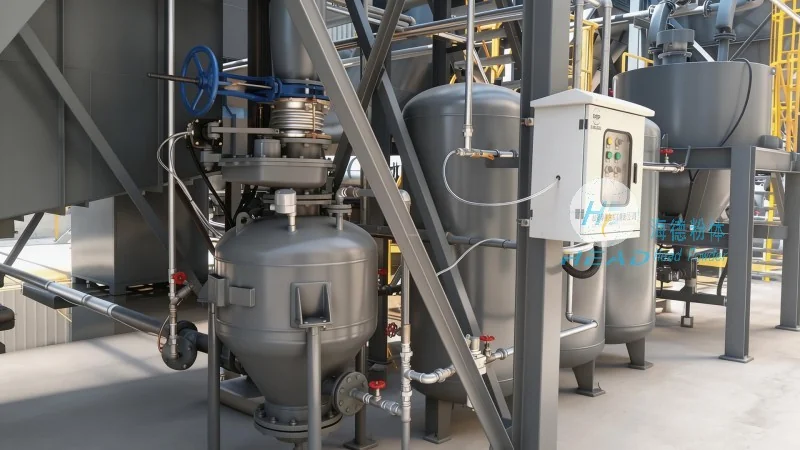
Key Technical Parameters of Calcined Sand
Calcined sand, a crucial material in various industrial applications such as refractory production, foundry, and construction, requires meticulous control of its technical parameters to ensure optimal performance and quality. The key technical parameters of calcined sand include particle size distribution, bulk density, moisture content, and chemical composition. These parameters directly impact the material's flowability, compressibility, and reactivity, making them essential for downstream processes. HeadPowder's engineering team has developed advanced testing methodologies to accurately measure and monitor these parameters, ensuring consistent product quality and compliance with industry standards.
Particle Size Distribution and Its Impact
Particle size distribution is a fundamental parameter that influences the sand's handling and application. It is typically characterized by the proportion of particles within specific size ranges, often expressed as a cumulative distribution curve. HeadPowder employs sophisticated sieving and laser diffraction techniques to determine the particle size distribution, providing detailed data on the sand's granulometry. This information is vital for optimizing the conveying system design, as different particle sizes affect the material's flow characteristics and the selection of appropriate equipment such as screw conveyors, belt conveyors, or pneumatic systems.
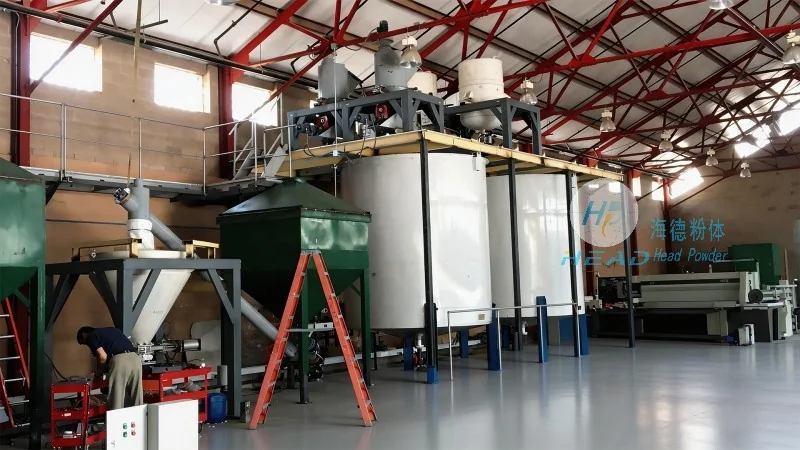
Bulk Density and System Capacity
Bulk density, another critical parameter, refers to the mass of calcined sand per unit volume. It is influenced by factors like particle packing, moisture content, and compaction. HeadPowder's technical team measures bulk density using standardized methods, such as the gravimetric method, to ensure accurate data. This parameter is essential for calculating the material's flow rate and the capacity of conveying equipment, as it directly affects the system's efficiency and energy consumption. For instance, a higher bulk density may require more robust conveyor components to handle the increased load, while a lower density might necessitate adjustments to the system's speed or inclination.
Moisture Content Control
Moisture content is a key factor affecting the sand's physical properties and processing behavior. Excessive moisture can lead to clumping, reduced flowability, and increased energy consumption in the conveying system. HeadPowder implements strict moisture control measures, including drying processes and moisture monitoring systems, to maintain optimal moisture levels. The company's technical parameters include a target moisture content range, typically below 0.5% for high-quality calcined sand, ensuring the material remains free-flowing and suitable for various industrial applications. Accurate moisture measurement is achieved through methods like the gravimetric oven-drying technique, providing reliable data for process control.
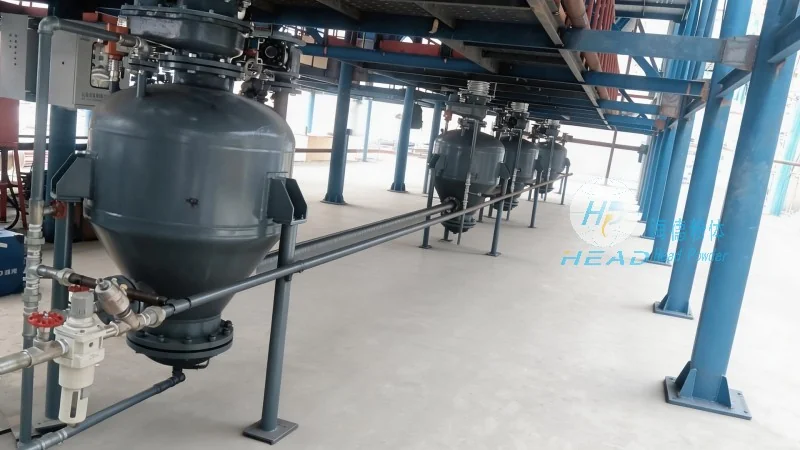
Chemical Composition Analysis
Chemical composition, including the presence of impurities and specific elements, is also a critical technical parameter. HeadPowder conducts comprehensive chemical analysis using techniques like X-ray fluorescence (XRF) and inductively coupled plasma mass spectrometry (ICP-MS) to determine the sand's composition. This analysis helps in assessing the material's reactivity, corrosion resistance, and suitability for specific applications. For example, in refractory production, the presence of certain oxides like alumina or silica can affect the final product's properties. The company's technical specifications include limits on impurity levels, ensuring the calcined sand meets the required standards for its intended use.
Conveying System Process Overview
The conveying system process for calcined sand is designed to efficiently transport the material from storage to processing or end-use locations. HeadPowder's engineering solutions incorporate advanced technologies to enhance system performance, reliability, and energy efficiency. The process typically involves several stages, starting with material storage and feeding, followed by conveying, and ending with discharge and control. Each stage is optimized to minimize material degradation, energy consumption, and operational costs.