

Role of Pneumatic Conveying in Cement Transportation
For industrial applications, especially in the cement industry, efficient material handling is crucial for maintaining productivity and operational efficiency. Pneumatic conveying systems have emerged as a vital solution for transporting cement and other powders with precision and reliability. This article explores the role of pneumatic conveying in cement transportation, highlighting its benefits, applications, and the expertise of Shandong HeadPowder Engineering Co., Ltd. in providing tailored solutions for cement handling needs.
Understanding Pneumatic Conveying Systems
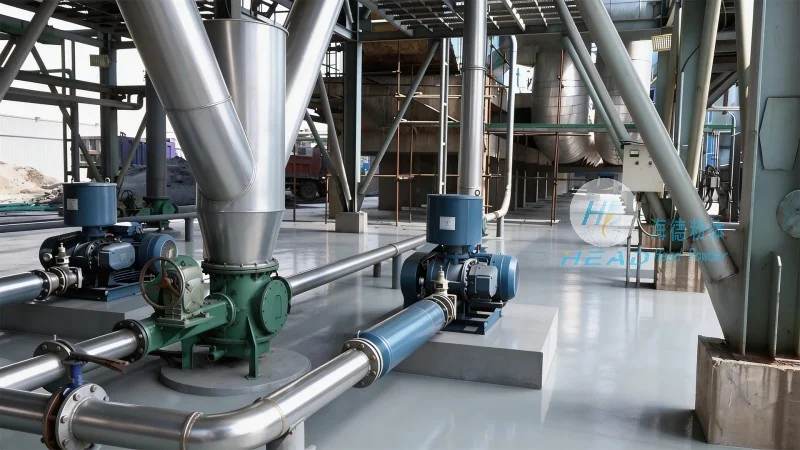
Pneumatic conveying uses compressed air or other gases to transport bulk materials like cement through a pipeline system. Unlike traditional methods such as belt conveyors or bucket elevators, pneumatic systems offer flexibility in layout, reduced space requirements, and the ability to handle materials over long distances. The technology involves creating a flow of air that moves the cement particles through the pipeline, ensuring minimal product degradation and contamination. There are two primary types of pneumatic conveying: dilute phase and dense phase, each suited to different material characteristics and transport requirements.
Key Benefits of Pneumatic Conveying in Cement Handling
Implementing pneumatic conveying in cement transportation offers several advantages that enhance operational performance. One of the most significant benefits is the reduction in material loss and spillage, as the enclosed pipeline system prevents dust and product from escaping. This not only improves safety in the workplace but also maintains product quality by preventing contamination from external factors. Additionally, pneumatic systems are highly efficient in terms of energy consumption, as they can transport large volumes of cement with minimal power input compared to mechanical conveyors. The flexibility of the system allows for easy integration with existing production lines, enabling seamless material flow from storage to processing or packaging areas.
Applications in Cement Production and Distribution
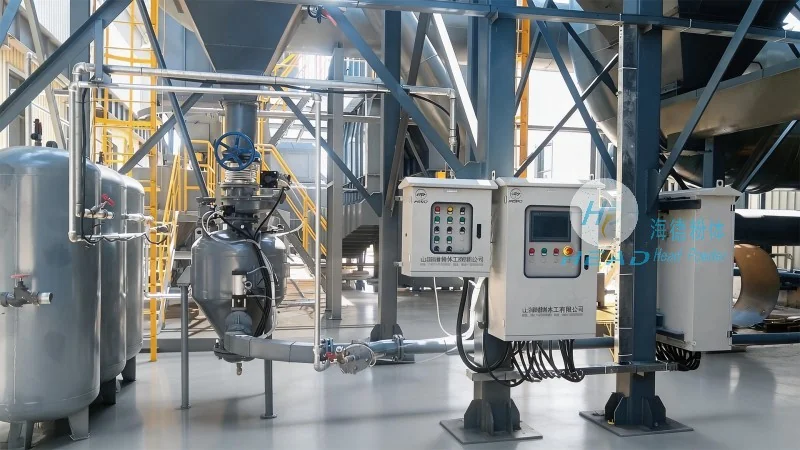
Pneumatic conveying plays a critical role in various stages of cement production and distribution. In the manufacturing process, it is used to transport raw materials such as limestone, clay, and gypsum from storage silos to the grinding mills. This ensures a consistent supply of raw materials, which is essential for maintaining the quality of the final cement product. During the packaging phase, pneumatic systems efficiently move finished cement bags from the production line to storage or shipping areas, reducing manual labor and improving throughput. For bulk cement transport, pneumatic conveying can be integrated with trucks or ships, allowing for the safe and efficient delivery of cement to construction sites or distribution centers.
Customized Solutions by Shandong HeadPowder Engineering Co., Ltd.
Shandong HeadPowder Engineering Co., Ltd., a leading provider of industrial material handling solutions, specializes in designing and manufacturing pneumatic conveying systems tailored to the specific needs of the cement industry. With years of experience and a deep understanding of material characteristics, the company offers customized solutions that optimize cement transportation processes. Their expertise includes selecting the appropriate conveying type (dilute or dense phase) based on the cement's flow properties, particle size, and required transport distance. The company's engineers work closely with clients to assess their operational requirements, ensuring that the final system meets efficiency, safety, and cost-effectiveness standards. By leveraging advanced technology and robust manufacturing processes, Shandong HeadPowder delivers reliable pneumatic conveying systems that enhance the overall performance of cement handling operations.
Ensuring Safety and Compliance in Cement Transportation
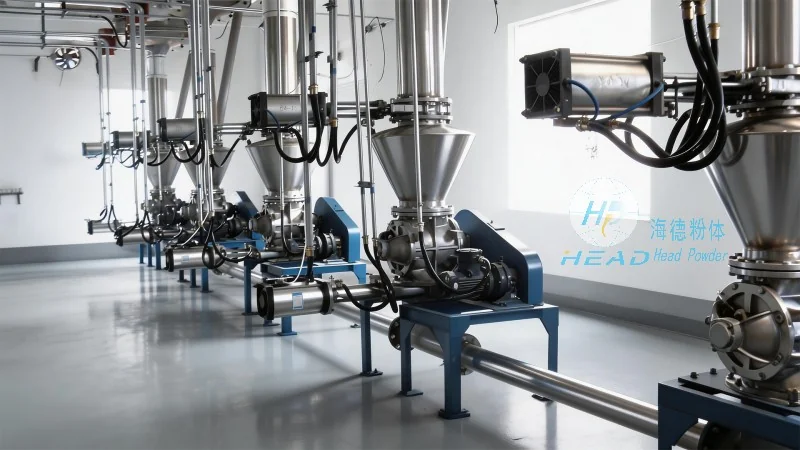
When implementing pneumatic conveying systems for cement, safety and regulatory compliance are paramount. Cement is a fine powder that can create dust hazards if not handled properly. Pneumatic systems are designed with features such as dust collection and filtration to minimize airborne particles, reducing the risk of respiratory issues and fire hazards. Additionally, the enclosed pipeline design prevents product contamination from external sources, ensuring that the cement remains pure and meets quality standards. Shandong HeadPowder Engineering Co., Ltd. adheres to industry safety standards and regulations, incorporating necessary safety features into their systems to protect both personnel and the environment. This commitment to safety ensures that clients can operate their cement transportation processes with confidence, knowing that their systems are reliable and compliant.
Conclusion: The Future of Cement Transportation with Pneumatic Conveying
As the cement industry continues to evolve, the role of pneumatic conveying in efficient material handling becomes increasingly important. The technology offers a sustainable and effective solution for transporting cement, enhancing productivity while maintaining product quality and safety. With the expertise of companies like Shandong HeadPowder Engineering Co., Ltd., industrial facilities can implement tailored pneumatic conveying systems that meet their specific operational needs. By investing in advanced material handling solutions, cement producers can improve their overall efficiency, reduce costs, and stay competitive in the market. The future of cement transportation lies in the continued development and application of pneumatic conveying systems, which will play a vital role in meeting the growing demands of the construction industry.