

What is Hot Dry Ash Pneumatic Conveying, Classification and Applications of Pneumatic Conveying
Hot dry ash pneumatic conveying is a key technology in the field of industrial material handling, particularly for the transport of hot and dry ash from power plants or other thermal facilities. This method involves using air or gas as the conveying medium to move ash particles through a pipeline system. The process is designed to handle high-temperature materials while maintaining efficiency and safety in material transport. Understanding this technology is crucial for optimizing operations in industries that generate large volumes of ash, such as thermal power generation and industrial waste treatment.
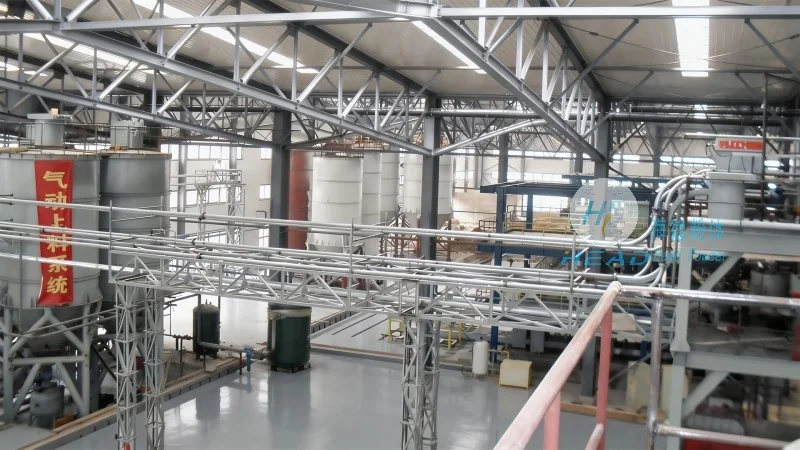
Introduction to Hot Dry Ash Pneumatic Conveying
Hot dry ash pneumatic conveying systems are engineered to transport hot ash from the bottom of boilers or other combustion units to storage or disposal locations. Unlike traditional wet ash handling methods, this dry ash conveying approach minimizes water usage and reduces the risk of corrosion and environmental contamination. The system typically consists of a ash hopper, a conveying pipeline, and a dust collection or filtration unit. The hot ash is drawn into the pipeline by a fan or blower, which creates a low-pressure zone that pulls the ash particles along with the air stream. This method ensures that the ash is transported without the need for water, making it an environmentally friendly option for many industrial applications.
Classification of Pneumatic Conveying Systems
Pneumatic conveying systems can be broadly classified into two main categories: pressure and vacuum systems. Pressure systems use compressed air to push the material through the pipeline, while vacuum systems use a vacuum to draw the material into the pipeline. Within these categories, there are further subtypes based on the velocity and pressure levels used. For hot dry ash applications, pressure systems are often preferred due to their ability to handle high-temperature materials and maintain consistent flow rates. The choice of system depends on factors such as the distance to be covered, the material characteristics, and the required throughput. In addition to these primary classifications, there are also hybrid systems that combine elements of both pressure and vacuum to optimize performance for specific applications.
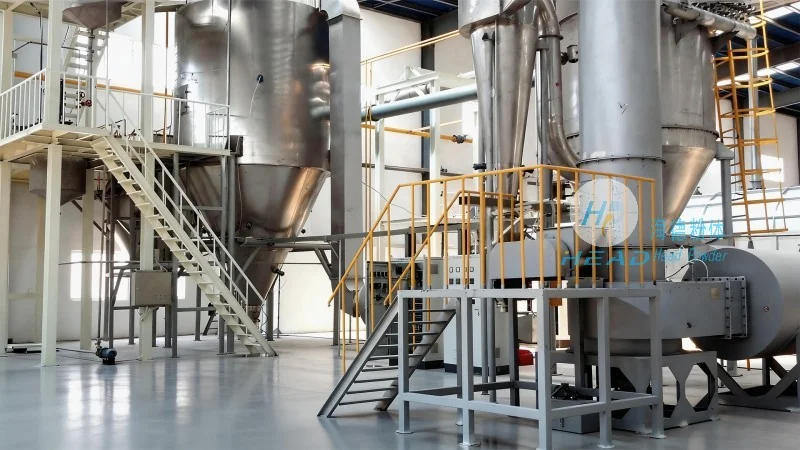
Applications of Pneumatic Conveying in Industrial Settings
The applications of pneumatic conveying extend beyond ash transport to include the handling of various bulk materials in industries such as mining, food processing, and chemical manufacturing. For example, in mining operations, pneumatic conveying is used to transport crushed ore or coal from processing plants to storage facilities. In food processing, it is employed to move grains, powders, or other food products through production lines. The versatility of pneumatic conveying makes it suitable for a wide range of materials, from fine powders to larger particles, and from low to high temperatures. The technology is particularly advantageous in environments where traditional conveyor belts or trucks may be impractical or inefficient, such as in confined spaces or areas with high temperatures.
Key Components of Hot Dry Ash Pneumatic Conveying Systems
Several key components are essential for the effective operation of hot dry ash pneumatic conveying systems. These include the ash hopper, which collects the ash from the boiler and feeds it into the conveying system; the fan or blower, which provides the necessary air pressure or vacuum to move the ash; the conveying pipeline, which transports the ash from the hopper to the destination; and the dust collection or filtration unit, which removes any fine particles from the air stream and prevents environmental contamination. The ash hopper is typically designed to withstand high temperatures and may include insulation to maintain the temperature of the ash as it is conveyed. The fan or blower is selected based on the required airflow and pressure, and it must be capable of handling the high temperatures associated with hot ash. The conveying pipeline is often made of materials such as stainless steel or high-temperature resistant alloys to prevent corrosion and ensure durability. The dust collection unit may include filters or cyclones to capture fine ash particles and return them to the conveying system or to a storage container.
Advantages of Using Hot Dry Ash Pneumatic Conveying
There are several advantages to using hot dry ash pneumatic conveying systems in industrial applications. One of the primary benefits is the reduction in water usage compared to wet ash handling methods. This not only conserves water resources but also reduces the volume of wastewater that needs to be treated and disposed of. Another advantage is the improved safety and efficiency in material transport. By eliminating the need for water, the risk of slips, trips, and falls associated with wet ash handling is reduced, and the system can operate more efficiently with fewer maintenance requirements. Additionally, hot dry ash pneumatic conveying systems can be designed to handle high-temperature materials without the need for cooling, which can be a significant advantage in thermal power plants where the ash is generated at high temperatures. The technology also offers flexibility in terms of the distance and layout of the conveying system, allowing for easy integration into existing industrial facilities.
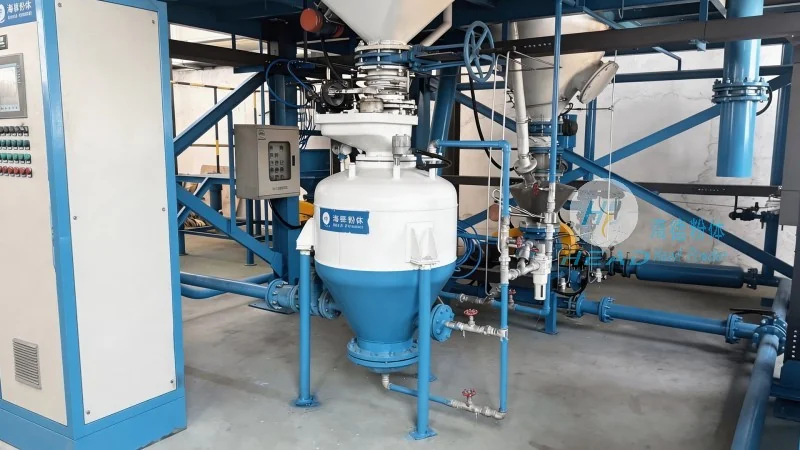
Challenges and Considerations in Hot Dry Ash Pneumatic Conveying
Despite its advantages, hot dry ash pneumatic conveying systems also present some challenges and considerations. One of the main challenges is the handling of high-temperature materials, which can cause wear and tear on the system components, particularly the fan, blower, and pipeline. To mitigate this, materials such as stainless steel or high-temperature resistant alloys are used for the components that come into direct contact with the hot ash. Another challenge is the potential for ash buildup in the pipeline, which can reduce the efficiency of the system and increase maintenance requirements. Regular cleaning and maintenance are necessary to prevent this buildup. Additionally, the system must be designed to handle the varying characteristics of the ash, such as its moisture content and particle size, to ensure consistent performance. The cost of the system and its maintenance can also be a consideration, especially for smaller industrial facilities. However, the long-term benefits of improved efficiency and reduced environmental impact often outweigh these initial costs.
Conclusion
Hot dry ash pneumatic conveying is a vital technology for the efficient and environmentally friendly transport of ash from thermal facilities. By understanding the classification and applications of pneumatic conveying systems, industries can optimize their material handling processes and reduce their environmental footprint. The key components and advantages of these systems, as well as the challenges and considerations involved, must be carefully evaluated to ensure the most effective and efficient operation. As industrial needs evolve, the development of advanced pneumatic conveying systems will continue to play a crucial role in the handling of bulk materials, including hot dry ash. Shandong HeadPowder Engineering Co., Ltd., a leading provider of industrial material handling solutions, specializes in the design and implementation of such systems to meet the diverse needs of its clients in China and beyond.