

What is PVC Powder Pneumatic Conveying? Classification and Applications of Pneumatic Conveying Syste
HeadPowder, a leading provider of material handling solutions, specializes in pneumatic conveying systems designed for the efficient transport of PVC powders. This article explores the fundamentals of PVC powder pneumatic conveying, categorizes the various types of pneumatic conveying systems, and outlines their practical applications in industrial settings.
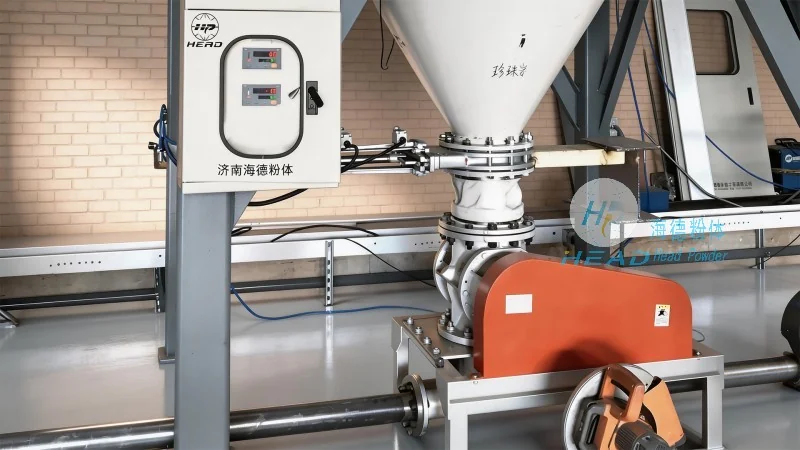
HeadPowder, operating from Shandong, China, is dedicated to delivering reliable and efficient material handling technologies. The company's expertise lies in designing and manufacturing pneumatic conveying equipment tailored to the unique challenges of transporting PVC powders, ensuring safe and effective material movement in industrial processes.
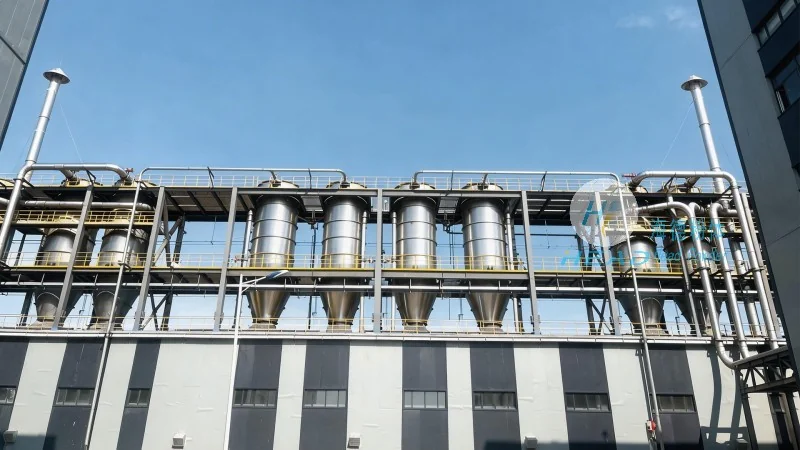
Classification of Pneumatic Conveying Systems
Pneumatic conveying systems are broadly classified based on the pressure used to move materials. The two primary categories are positive pressure and negative pressure systems. Positive pressure systems, also known as pressure conveying, utilize compressed air to push the material through the conveying line. This method is ideal for long-distance and high-volume applications, as it can handle a wide range of materials, including PVC powders, with minimal degradation. Negative pressure systems, or vacuum conveying, use a vacuum to draw materials into the system. This approach is commonly used for short-distance transport and for materials that are sensitive to pressure or air exposure. Both systems have their advantages and are selected based on the specific requirements of the application, such as the distance, volume, and characteristics of the PVC powder being handled.
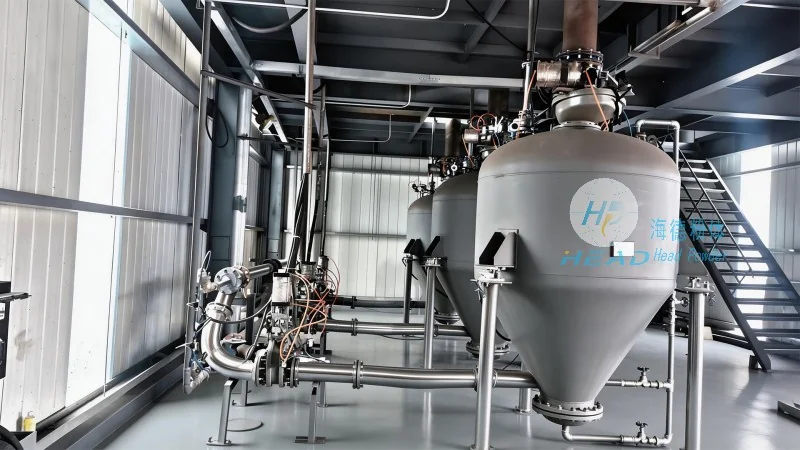
Applications of Pneumatic Conveying in Handling PVC Powders
Pneumatic conveying systems are widely used in the processing and manufacturing of PVC products. One common application is the transfer of PVC powders from storage silos to processing equipment, such as mixers or extruders. This method ensures a continuous and controlled flow of material, reducing downtime and improving production efficiency. Another application is the handling of PVC powders in recycling facilities, where the system can efficiently transport reclaimed PVC from collection points to processing units. Additionally, pneumatic conveying is used in quality control processes, where the material is transported to testing equipment for analysis and inspection. The ability to handle fine powders like PVC without the need for mechanical components makes pneumatic conveying a preferred choice in these applications, as it minimizes product contamination and ensures consistent quality.
Advantages of Pneumatic Conveying for PVC Powders
Compared to traditional mechanical conveying methods, pneumatic conveying offers several advantages when handling PVC powders. One key benefit is the ability to transport materials in a closed system, which prevents dust contamination and improves workplace safety. This is particularly important for PVC powders, which can be hazardous if inhaled. Another advantage is the reduced risk of product degradation, as the material is not exposed to mechanical stress or friction during transport. Pneumatic systems also allow for precise control over the flow rate and pressure, enabling accurate dosing and consistent material delivery. Furthermore, these systems can handle a wide variety of PVC powder types, including different particle sizes and moisture contents, making them versatile for various industrial applications.
Conclusion
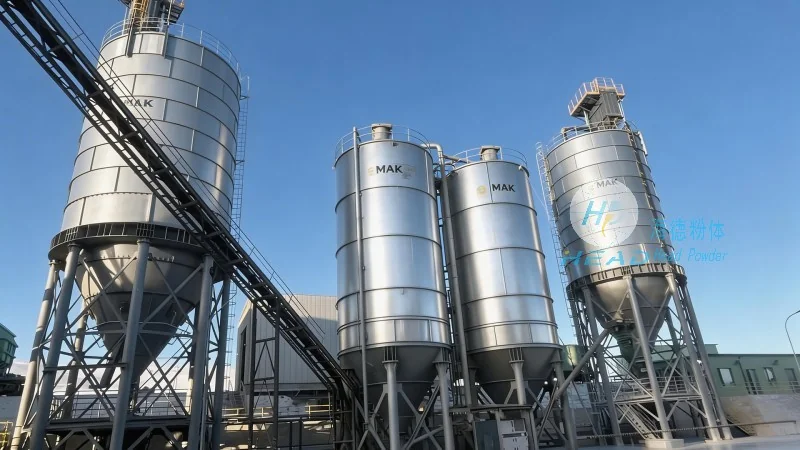
HeadPowder's expertise in pneumatic conveying systems provides industrial facilities with reliable solutions for handling PVC powders. By understanding the classification and applications of these systems, companies can select the most appropriate technology to meet their specific needs, ensuring efficient, safe, and cost-effective material transport. The company's commitment to quality and innovation ensures that its pneumatic conveying systems are designed to deliver long-term performance and meet the evolving demands of the PVC processing industry.