

What is Phosphate Rock Powder Pneumatic Conveying? Classification and Applications of Pneumatic Conv
Phosphate rock powder pneumatic conveying represents a sophisticated method for transporting fine particulate materials, particularly in the context of phosphate mining and processing. This technology leverages air as the primary medium to move phosphate rock powder through a pipeline network. The process involves generating a controlled airflow that suspends the powder particles, allowing them to be transported from the source to the destination. Unlike traditional mechanical conveyors, pneumatic systems offer a flexible and efficient solution for handling the abrasive and dusty nature of phosphate rock. Understanding the fundamentals of this technology is essential for optimizing material handling in phosphate processing facilities.
Types of Pneumatic Conveying Systems
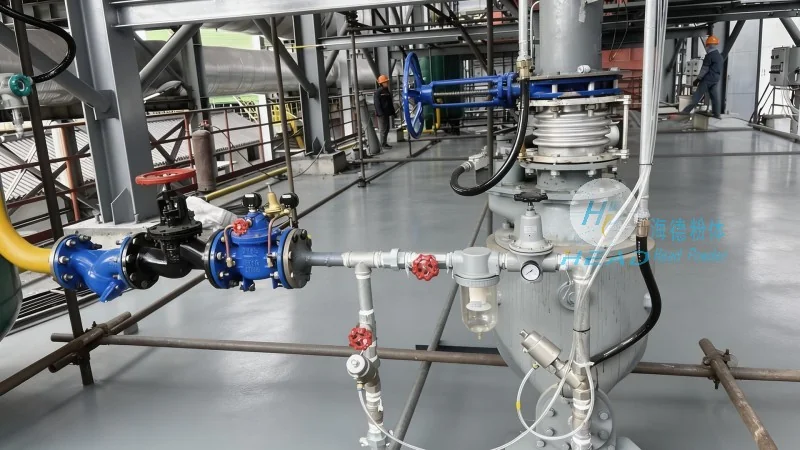
Two main categories of pneumatic conveying systems are widely used: dilute-phase and dense-phase. Dilute-phase systems operate at relatively low pressure, utilizing high-velocity air to transport particles in a dispersed state. This method is suitable for short to medium conveying distances and moderate flow rates. Dense-phase systems, conversely, employ higher pressure and lower air velocity to move particles in a more concentrated manner, often with the assistance of a carrier gas. The choice between these systems depends on several factors, including particle size, moisture content, and the required conveying distance. For phosphate rock powder, which often has a fine and cohesive texture, dense-phase systems may be preferred to prevent blockages and ensure smooth operation. Shandong HeadPowder Engineering Co., Ltd. specializes in designing and implementing both types of systems, providing tailored solutions for various phosphate processing applications.
Applications in Phosphate Rock Processing
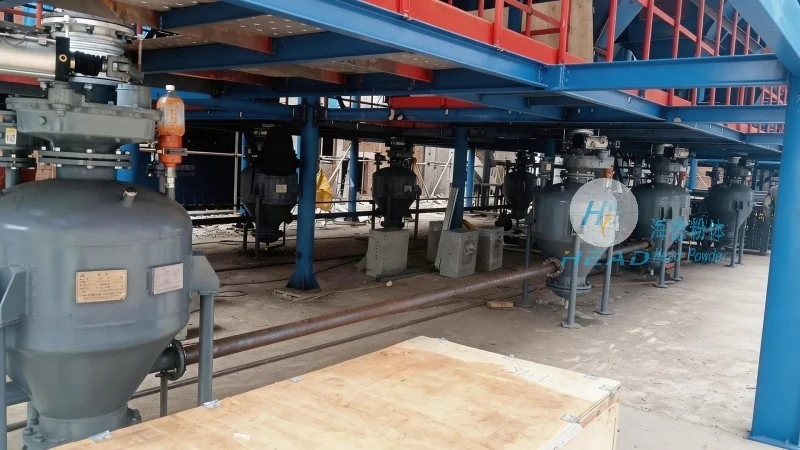
In the phosphate industry, pneumatic conveying plays a critical role in several stages of processing. During mining operations, raw phosphate rock is extracted from the earth and transported to processing plants via pneumatic systems. This step ensures that the material is moved efficiently without the need for large-scale equipment like trucks or trains. Once at the plant, the phosphate rock is conveyed to grinding mills, where it is crushed into finer powder. The fine powder is then transported to classifiers and other processing equipment for further refinement. The technology also facilitates the transport of finished products, such as phosphate fertilizers, from storage silos to shipping areas. The ability to handle fine powders and maintain a dust-free environment makes pneumatic conveying indispensable in modern phosphate processing.
Advantages of Pneumatic Conveying for Phosphate Rock
Pneumatic conveying offers several advantages over traditional bulk handling methods. One of the key benefits is the enclosed system, which minimizes dust emissions and improves workplace safety. This is particularly important in phosphate processing, where dust can be hazardous to workers and the environment. Additionally, pneumatic systems can handle a wide range of particle sizes and moisture levels, making them adaptable to different types of phosphate rock. The technology also allows for flexible layout designs, as pipelines can be installed in various configurations to suit the plant's layout. Another advantage is the reduced maintenance requirements compared to mechanical conveyors, as there are fewer moving parts involved. Shandong HeadPowder Engineering Co., Ltd. has implemented numerous successful pneumatic conveying systems in phosphate plants, demonstrating the reliability and efficiency of this technology.
Customized Solutions by HeadPowder
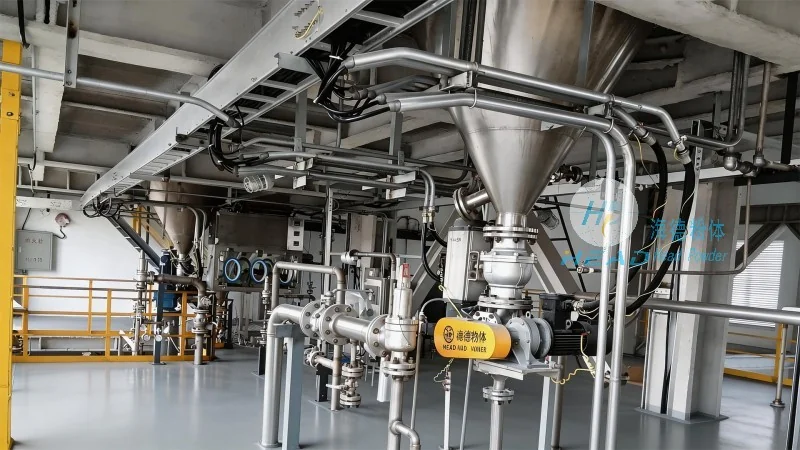
At Shandong HeadPowder Engineering Co., Ltd., we focus on delivering customized pneumatic conveying solutions that meet the specific needs of our clients. Our approach involves a thorough analysis of the client's processing requirements, including the type of phosphate rock, the required conveying capacity, and the distance between processing stages. We work closely with engineers and operations teams to design systems that optimize material flow and minimize downtime. Our solutions are built using high-quality materials, such as stainless steel and special alloys, to withstand the corrosive and abrasive nature of phosphate rock. The control systems are advanced, allowing for real-time monitoring and adjustment of the conveying process. By partnering with HeadPowder, clients can enhance their operational efficiency, reduce costs, and improve the overall productivity of their phosphate processing facilities. Our commitment to quality and customer satisfaction has made us a trusted partner in the phosphate industry.