

What is Malt Powder Pneumatic Conveying? And What Are Its Design Principles?
Understanding malt powder pneumatic conveying systems is crucial for industries dealing with malt processing. This technology involves transporting dry powders like malt through a pressurized or vacuumed air stream, offering an efficient alternative to traditional mechanical conveying methods. The core of this system lies in the design principles that ensure reliable, low-damage, and cost-effective powder handling.
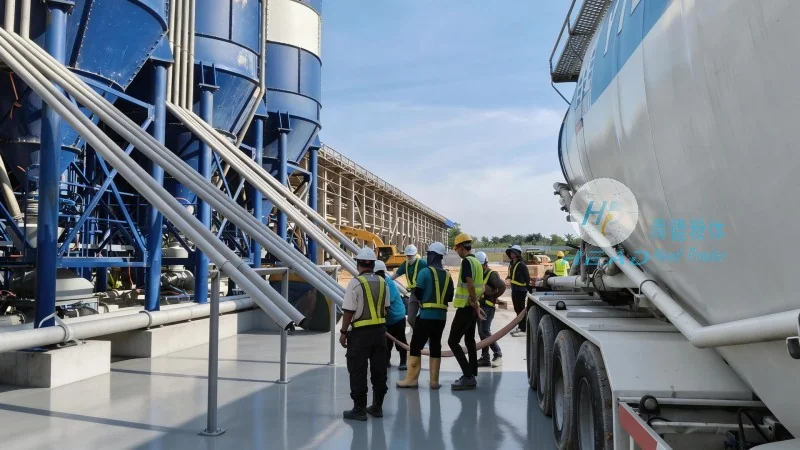
What is Malt Powder Pneumatic Conveying?
Malt powder pneumatic conveying, also known as pneumatic transport, is a method used to move dry, fine powders such as malt from one location to another using a flow of air. Unlike mechanical systems that rely on belts, screws, or buckets, pneumatic conveying utilizes air pressure or vacuum to propel the powder particles. This approach is particularly suitable for malt powders due to their fine particle size and potential for dust generation, as it minimizes product degradation and contamination risks.
Key Design Principles of Malt Powder Pneumatic Conveying Systems
The design of a malt powder pneumatic conveying system is governed by several critical principles to ensure optimal performance. First, the system must maintain consistent air flow and pressure to achieve reliable powder transport. This involves selecting appropriate air volumes and pressure levels based on the specific characteristics of the malt powder, such as particle size distribution, moisture content, and bulk density. Second, the system must incorporate proper equipment selection, including the choice of a suitable conveying line (e.g., flexible hoses or rigid pipes), air movers (like blowers or vacuum pumps), and control valves. Third, the design must address the issue of powder separation and collection, ensuring that the malt powder is efficiently separated from the air stream at the destination point. This often involves the use of cyclones, filters, or other separation devices to prevent dust accumulation and maintain product purity.
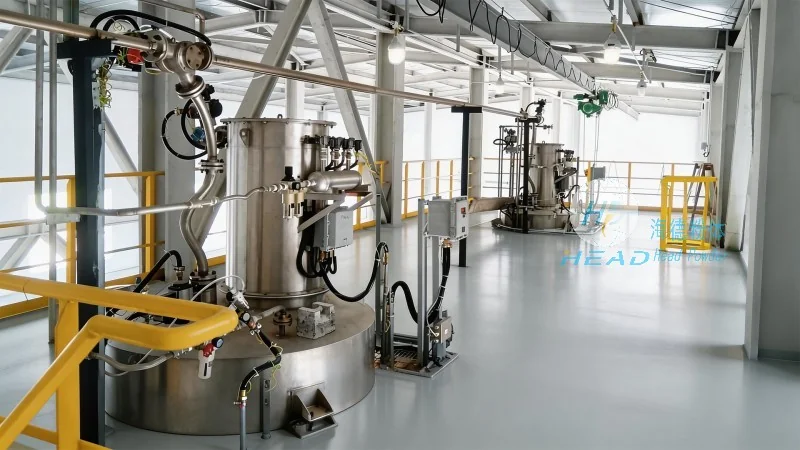
Role of HeadPowder in Malt Powder Pneumatic Conveying Solutions
Shandong HeadPowder Engineering Co., Ltd., commonly known as headpowder, specializes in the design, manufacturing, and implementation of advanced pneumatic conveying systems tailored for malt processing applications. With a focus on innovation and customer-centric solutions, headpowder leverages years of industry experience to develop systems that meet the unique demands of malt powder handling. The company’s expertise lies in understanding the physical properties of malt powders, such as their flowability and abrasiveness, and translating these into effective conveying designs. By integrating state-of-the-art technology with practical engineering, headpowder ensures that its systems deliver high efficiency, low maintenance costs, and minimal product loss during transport.
Advantages of Malt Powder Pneumatic Conveying
Compared to traditional mechanical conveying methods, malt powder pneumatic conveying offers several distinct advantages. One of the primary benefits is the reduction in product damage, as the air stream minimizes friction and impact on the fine particles. This is particularly important for malt powders, which are sensitive to mechanical stress and can degrade in quality if handled improperly. Another advantage is the ability to handle powders in a closed system, preventing dust emissions and maintaining a clean working environment. This is crucial for food processing industries where hygiene and product safety are paramount. Additionally, pneumatic conveying systems can be easily integrated with other processing equipment, such as mixers, blenders, or storage silos, enabling seamless workflow and improved operational efficiency.
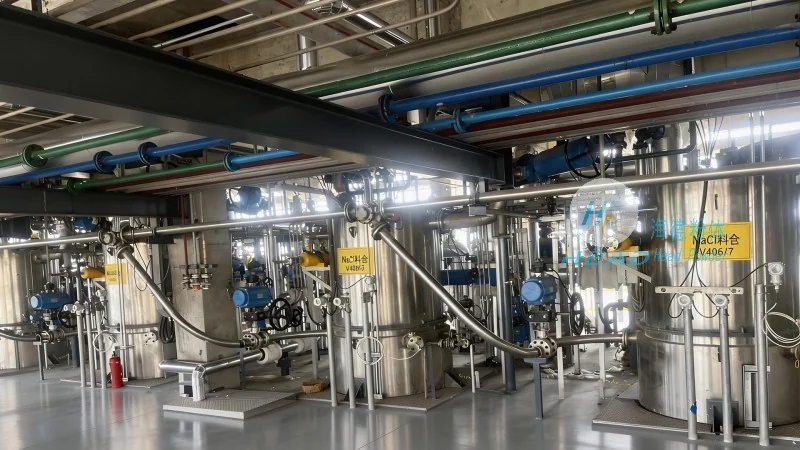
Addressing Common Challenges in Malt Powder Conveying
While pneumatic conveying is highly effective, it also presents certain challenges that must be addressed in the design process. One common issue is the potential for powder caking or bridging in the conveying line, which can lead to blockages and system downtime. To mitigate this, headpowder incorporates features like vibration devices or air knives into its systems to maintain consistent flow. Another challenge is the need to control air pressure and flow rates to prevent excessive energy consumption or product degradation. By carefully calibrating the system parameters and using advanced control systems, headpowder ensures that its solutions operate efficiently and reliably. Furthermore, the system must be designed to handle variations in malt powder characteristics, such as changes in moisture content or particle size, which can affect flowability and conveying performance.
Conclusion: The Importance of Proper Design and Implementation
In conclusion, malt powder pneumatic conveying is a sophisticated technology that requires careful consideration of design principles to achieve optimal performance. The system’s ability to transport malt powders efficiently, safely, and with minimal product loss makes it an essential component of modern malt processing facilities. Shandong HeadPowder Engineering Co., Ltd. plays a vital role in this field by providing tailored solutions that address the specific needs of malt producers. By adhering to industry best practices and leveraging advanced engineering, headpowder ensures that its pneumatic conveying systems deliver long-term value and contribute to the overall success of malt processing operations.