

What is an Intelligent Centralized Powder Pneumatic Conveying System? What are its Design Principles
The intelligent centralized powder pneumatic conveying system is a sophisticated industrial solution designed to efficiently transport bulk powder materials over long distances or within complex production facilities. This system integrates advanced control technologies and optimized pneumatic conveying principles to ensure reliable, low-maintenance operation. Developed by Shandong HeadPowder Engineering Co., Ltd., a leading manufacturer in the field, the system caters to diverse industrial needs, from pharmaceuticals and food processing to chemical manufacturing and cement production. The core objective is to provide a seamless, automated method for handling powders, enhancing productivity while minimizing operational risks.
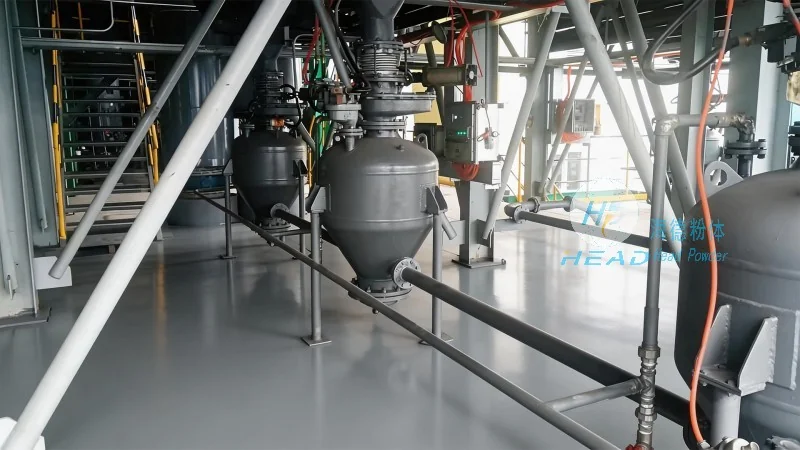
Core Components and Functional Design of the System
The design of the intelligent centralized system is built upon several key components that work in harmony to achieve efficient material transport. The primary elements include a central control unit, which manages the entire conveying process through real-time monitoring and automated adjustments. This unit interfaces with various pneumatic conveying components such as air compressors, dust collectors, and material feeders. The system employs a network of pipelines that can be configured in different modes—positive or negative pressure—to suit the specific characteristics of the powder being handled. For instance, in positive pressure systems, air is forced through the pipeline, while negative pressure systems draw material into the line using suction. The control unit utilizes sensors to monitor pressure, flow rate, and material level, ensuring optimal performance and preventing blockages or overloading. Additionally, the system incorporates safety features such as automatic shut-off valves and emergency stop mechanisms to protect both equipment and personnel.
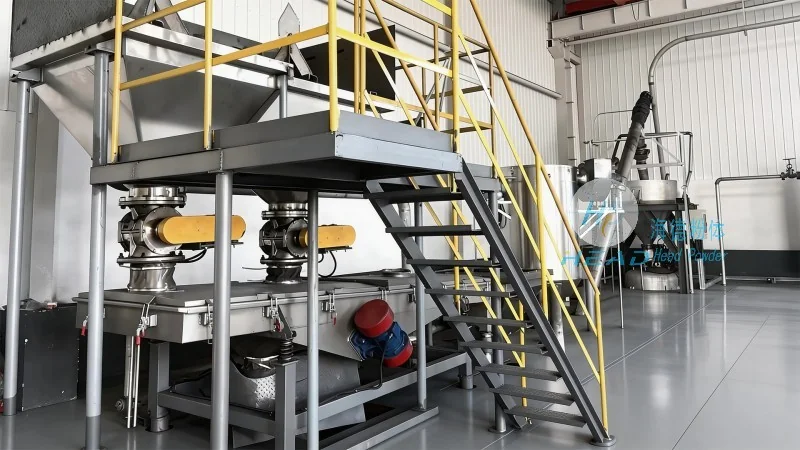
Advantages of the Intelligent Centralized System
Implementing an intelligent centralized powder pneumatic conveying system offers numerous benefits that enhance operational efficiency and reduce costs. One of the most significant advantages is the ability to handle multiple material sources from a single central unit, eliminating the need for separate conveying lines for each product. This consolidation reduces space requirements and simplifies maintenance, as all components are managed from a centralized location. The system also minimizes material loss and contamination, as it operates in a closed-loop environment, preventing dust exposure and cross-contamination. Furthermore, the automated control features reduce labor costs and human error, leading to consistent and reliable material transport. In terms of energy efficiency, the system optimizes air usage through variable speed drives and pressure regulation, lowering operational expenses over time. The intelligent monitoring capabilities allow for predictive maintenance, enabling timely repairs and reducing downtime. For industries where product quality is paramount, such as pharmaceuticals or food processing, the system's ability to maintain sterile and controlled conditions is crucial, ensuring compliance with regulatory standards.
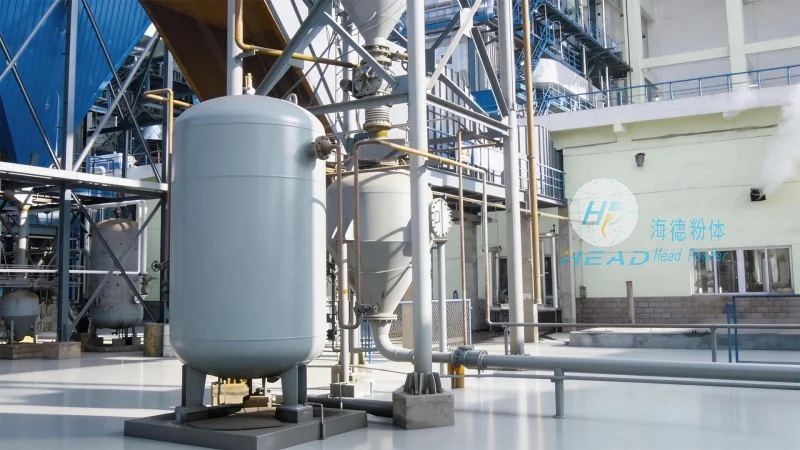
Application Scenarios and Practical Implementation
The intelligent centralized powder pneumatic conveying system is versatile and can be applied in a wide range of industrial settings. In pharmaceutical manufacturing, it is used to transport active pharmaceutical ingredients (APIs) and excipients with high precision, maintaining strict cleanliness and temperature control. The system's ability to handle sensitive materials without degradation is a key advantage. In the food industry, it efficiently conveys ingredients like flour, sugar, and spices while adhering to hygiene standards, preventing cross-contamination and ensuring product safety. Chemical manufacturers benefit from the system's ability to handle corrosive or hazardous powders, as it provides a sealed environment that protects workers and the environment. Cement and construction material producers use the system for transporting raw materials and finished products, improving logistics and reducing transportation costs. The implementation process involves a thorough site assessment to determine the optimal pipeline layout, material characteristics, and control requirements. Shandong HeadPowder Engineering Co., Ltd. provides comprehensive support, including design, installation, and commissioning services, ensuring that the system is tailored to the specific needs of each client. The company's expertise in pneumatic conveying technology ensures that the system is both efficient and reliable, meeting the unique challenges of each application.
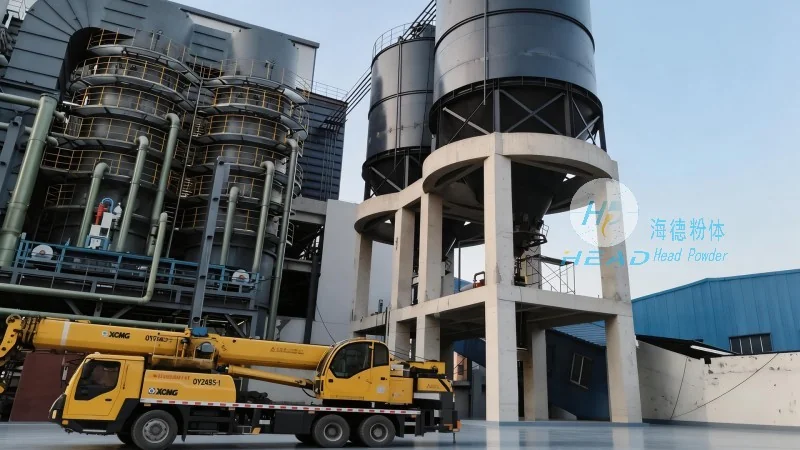
Company Profile and Technical Support
Shandong HeadPowder Engineering Co., Ltd., commonly known as HeadPowder, is a reputable enterprise based in Shandong, China, specializing in the design and manufacturing of advanced powder handling systems. With years of experience in the industry, the company has developed a strong reputation for delivering high-quality, customized solutions that meet the evolving needs of global industries. HeadPowder's team of engineers and technicians is dedicated to innovation, continuously researching and improving pneumatic conveying technologies to enhance performance and reliability. The company adheres to international standards and quality control measures, ensuring that all products are manufactured with precision and durability. For technical support and consultation, clients can rely on HeadPowder's responsive customer service team, which provides guidance on system selection, installation, and maintenance. The company's commitment to customer satisfaction and technical excellence has made it a trusted partner for businesses seeking efficient and reliable powder handling solutions. By leveraging the intelligent centralized powder pneumatic conveying system, industries can achieve improved productivity, reduced costs, and enhanced product quality, while maintaining compliance with industry regulations.