

What is a Methylcellulose Powder Pneumatic Conveying Machine? What are its Design Principles?
Methylcellulose powder, a widely used thickening and stabilizing agent in various industries, often requires efficient and reliable handling solutions. The Methylcellulose Powder Pneumatic Conveying Machine is a specialized equipment designed to transport this fine powder through an air-driven system. Shandong HeadPowder Engineering Co., Ltd., a leading manufacturer in the field, has developed advanced solutions to address the unique challenges associated with handling methylcellulose powder. This article explores the fundamental concepts of such machines and delves into their design principles, highlighting how they address the challenges of fine powder transportation.
Understanding Methylcellulose Powder and Its Handling Challenges
Methylcellulose is a non-ionic cellulose ether that is soluble in cold water and forms viscous solutions. Its applications span from food and pharmaceuticals to construction and cosmetics, making it a critical material in many production processes. However, the fine particle size and hygroscopic nature of methylcellulose powder present significant challenges during transportation. Traditional methods like belt conveyors or bucket elevators may cause dust accumulation, caking, or material degradation. The pneumatic conveying system offers a solution by using air to move the powder, minimizing these issues and ensuring a clean, efficient transfer.
Core Design Principles of Pneumatic Conveying Systems
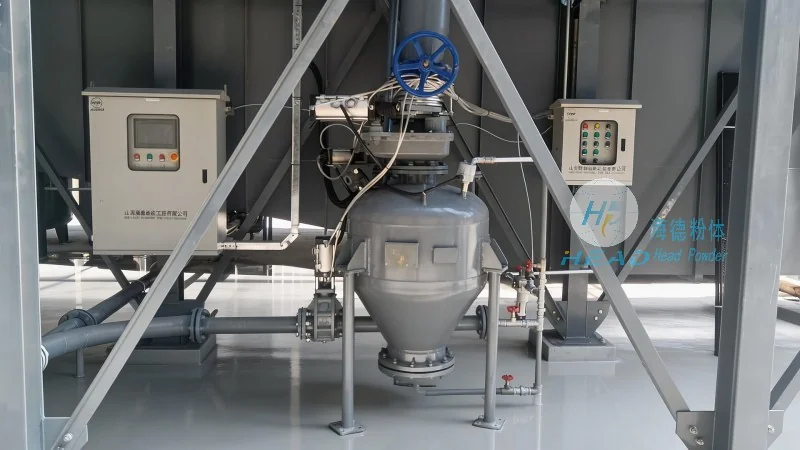
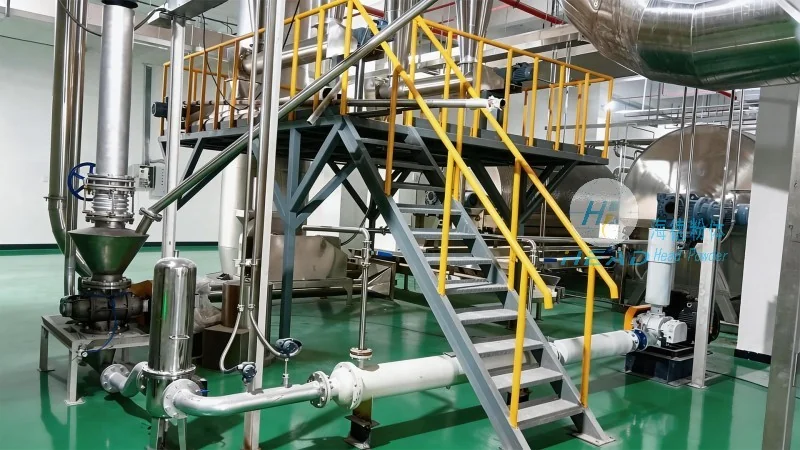
The design of a methylcellulose powder pneumatic conveying machine is based on the fundamental principle of air-solid flow. The system typically consists of several key components: a feeding unit, a conveying line, a separation unit, and a control system. The feeding unit is responsible for introducing the powder into the system, often using a rotary valve or a screw feeder to ensure a consistent flow. The conveying line, usually made of stainless steel or other corrosion-resistant materials, transports the powder and air mixture. The air is supplied by a blower or a fan, creating a pressure differential that propels the powder forward. The separation unit, such as a cyclone or a bag filter, separates the powder from the air at the end of the line, allowing the powder to be collected and the air to be discharged.
Key Components and Their Functions in Methylcellulose Powder Conveying
Each component of the pneumatic conveying machine plays a crucial role in the efficient operation of the system. The feeding unit, for instance, must handle the fine powder without causing blockages or uneven flow. A rotary valve with adjustable speed can control the feed rate, ensuring a stable air-powder ratio. The conveying line must be designed to minimize pressure drop and prevent powder deposition. The use of smooth, non-stick surfaces and appropriate pipe diameters helps maintain the flow. The separation unit is critical for recovering the powder and preventing dust emissions. Cyclones use centrifugal force to separate the powder from the air, while bag filters provide a more efficient filtration for fine particles. The control system monitors parameters like pressure, flow rate, and temperature, ensuring the system operates within optimal conditions.
Advantages of Methylcellulose Powder Pneumatic Conveying Machines
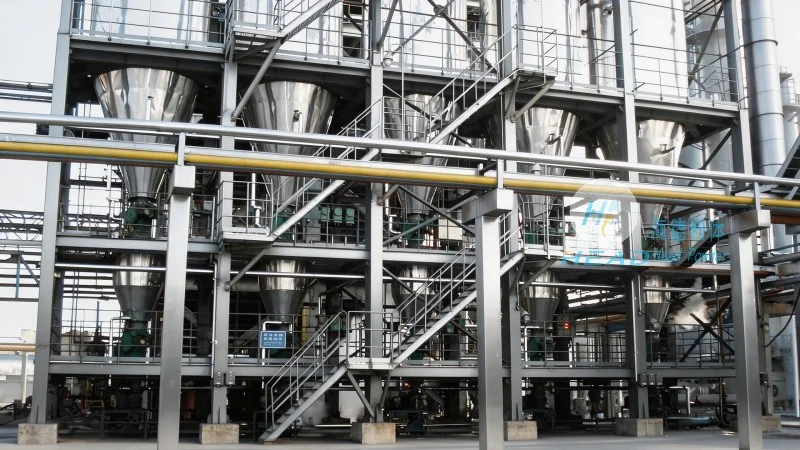
Compared to traditional mechanical conveying methods, pneumatic conveying offers several advantages for methylcellulose powder. First, it provides a dust-free environment, which is essential for maintaining product quality and safety in industries like food and pharmaceuticals. Second, the system can handle fine powders without causing caking or agglomeration, preserving the powder's properties. Third, the equipment is compact and can be integrated into existing production lines, reducing space requirements. Fourth, the control system allows for precise regulation of the conveying process, ensuring consistent product quality. These advantages make pneumatic conveying an ideal solution for handling methylcellulose powder in various applications.
Applications and Industries Using Methylcellulose Powder Conveying
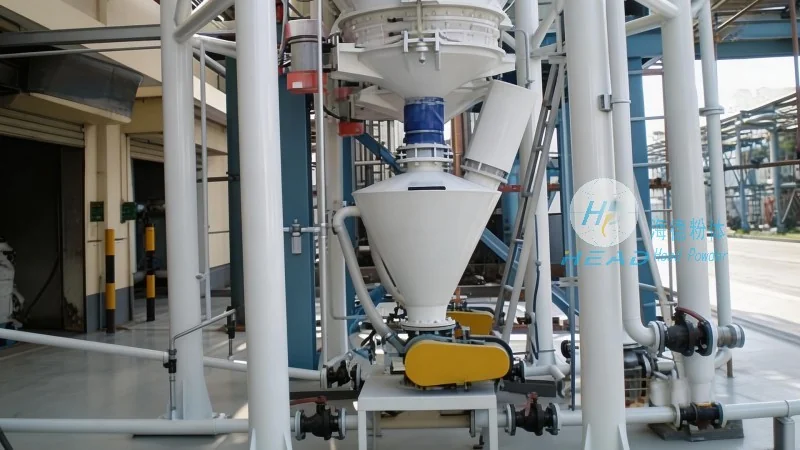
The Methylcellulose Powder Pneumatic Conveying Machine is widely used in industries that rely on methylcellulose as a key ingredient. In the food industry, it is used to transport methylcellulose for use in beverages, sauces, and other food products. In the pharmaceutical industry, it is used to convey the powder for drug formulations and packaging. In the construction industry, it is used to transport methylcellulose for use in adhesives and coatings. In the cosmetics industry, it is used to handle the powder for creams and lotions. The versatility of the pneumatic conveying system makes it suitable for a wide range of applications, ensuring efficient and reliable powder handling in these industries.
Conclusion: The Importance of Proper Design and Operation
The Methylcellulose Powder Pneumatic Conveying Machine is a critical piece of equipment for industries that handle methylcellulose powder. Its design principles, based on air-solid flow and efficient component integration, ensure that the powder is transported safely and effectively. The advantages of this system, including dust-free operation and precise control, make it a preferred choice over traditional methods. By understanding the design and operation of such machines, manufacturers can optimize their production processes and ensure the quality of their products. The continued development of pneumatic conveying technology will further enhance the efficiency and reliability of methylcellulose powder handling, supporting the growth of industries that rely on this versatile material.