

What is Multi-functional Bulk Material Pneumatic Conveying? And What Are Its Design Principles?
Bulk material pneumatic conveying is a critical technology in the industrial sector, enabling the efficient and safe transport of various powders and granules over long distances. This method involves using air or other gases to move solid materials through a pipeline system. The technology has evolved significantly over the years, with modern systems offering enhanced flexibility and adaptability to handle a wide range of materials, making them suitable for diverse industrial applications. In this article, we will explore the fundamental concepts of multi-functional bulk material pneumatic conveying and delve into the key design principles that underpin these systems.
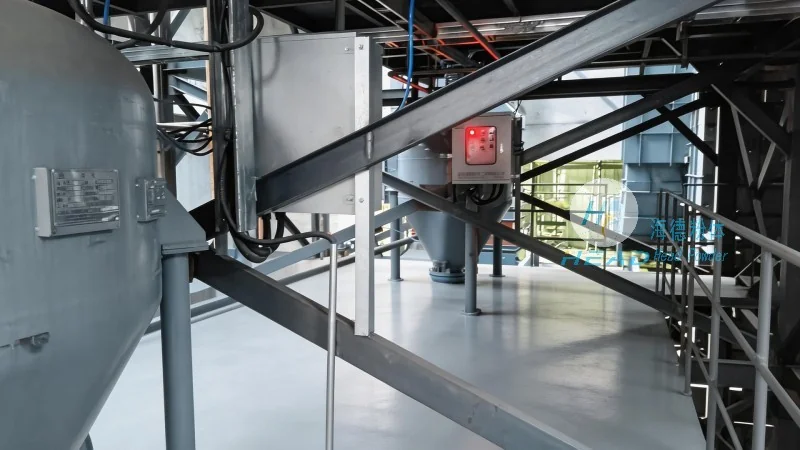
Understanding the Core Components of Pneumatic Conveying Systems
At the heart of any pneumatic conveying system are several essential components that work in concert to ensure effective material transport. These components include the material feed system, the conveying line (typically made of metal or plastic pipes), the air or gas source (often a blower or compressor), and the control system. The material feed system is responsible for introducing the bulk material into the pipeline, while the conveying line provides the path for the material to travel. The air source generates the necessary pressure or velocity to move the material, and the control system regulates the flow and pressure to maintain optimal operation. Each component must be carefully selected and sized to match the specific characteristics of the material being conveyed, such as its density, particle size, and flowability.
Types of Pneumatic Conveying Systems and Their Applications
There are two primary types of pneumatic conveying systems: dilute-phase and dense-phase. Dilute-phase systems operate at higher air velocities, typically moving material in a suspended state, making them suitable for short to medium distances and materials with good flow characteristics. Dense-phase systems, on the other hand, operate at lower velocities, often using a piston or pulse mechanism to push material through the pipeline, making them ideal for long-distance transport and materials that are prone to clogging or segregation. Multi-functional systems often combine elements of both types, allowing for versatility in handling different materials and operational conditions. For example, a system might switch between dilute and dense-phase modes depending on the material being conveyed or the distance it needs to travel. This adaptability is a key feature of modern multi-functional pneumatic conveying systems.
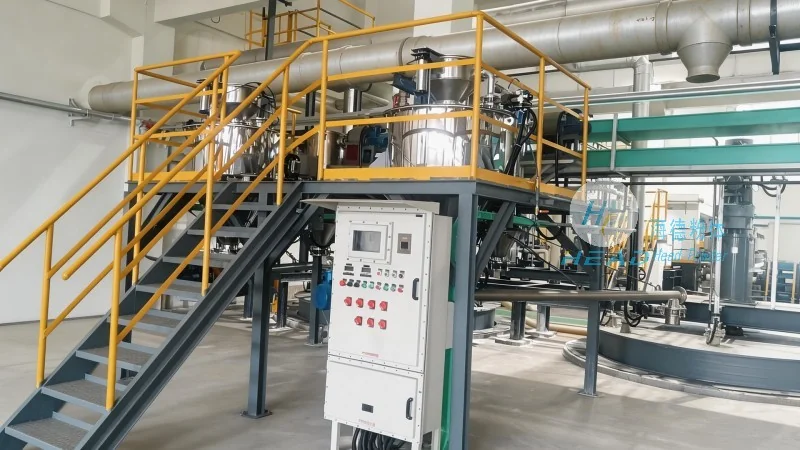
Key Design Principles for Optimal Performance
The design of a pneumatic conveying system is governed by several critical principles that ensure efficiency, reliability, and safety. One of the most important principles is maintaining the correct air velocity within the pipeline. The air velocity must be high enough to keep the material suspended but not so high as to cause excessive wear on the system components or lead to energy inefficiency. The relationship between air velocity and material particle size is crucial here; larger particles require higher velocities to remain in suspension. Another key principle is the proper sizing of the conveying line. The diameter and length of the pipeline must be optimized to minimize pressure drop and energy consumption while ensuring that the material can be transported without clogging. The use of appropriate fittings, such as bends, elbows, and expansion joints, is also essential to maintain consistent air flow and prevent material buildup. Additionally, the system must be equipped with effective filtration and separation mechanisms to prevent material from escaping into the environment and to protect the air source from contamination. These design principles are critical to ensuring that the system operates efficiently and reliably over its intended lifespan.
Material Handling Considerations in Pneumatic Conveying
When designing a pneumatic conveying system, it is essential to consider the specific properties of the material being handled. Different materials have varying characteristics that can impact system performance. For instance, abrasive materials may require more robust components, such as wear-resistant liners and high-quality seals, to prevent premature wear and failure. Materials that are prone to moisture absorption may need additional drying or moisture control measures to prevent clumping or clogging. The flowability of the material, as indicated by its angle of repose and bulk density, also plays a significant role in system design. Materials with poor flow characteristics may require pre-treatment, such as conditioning or pre-screening, to improve their handling properties. By carefully evaluating these material properties, engineers can design a system that is tailored to the specific needs of the application, ensuring optimal performance and longevity.
Energy Efficiency and Environmental Impact
Energy efficiency is a critical consideration in the design of pneumatic conveying systems, as they can be significant energy consumers. Modern systems incorporate several features to enhance energy efficiency, such as variable speed drives for the air source, which allow for adjustments based on the material load and conveying distance. The use of high-efficiency blowers and compressors also reduces energy consumption. Additionally, the design of the pipeline and components, such as minimizing pressure drop through optimized pipe sizing and reducing friction losses, contributes to overall energy savings. From an environmental perspective, proper filtration and separation systems are essential to prevent material emissions into the atmosphere. This not only complies with environmental regulations but also improves workplace safety by reducing dust exposure. By focusing on energy efficiency and environmental impact, manufacturers can develop systems that are both cost-effective and sustainable, aligning with the growing demand for eco-friendly industrial solutions.
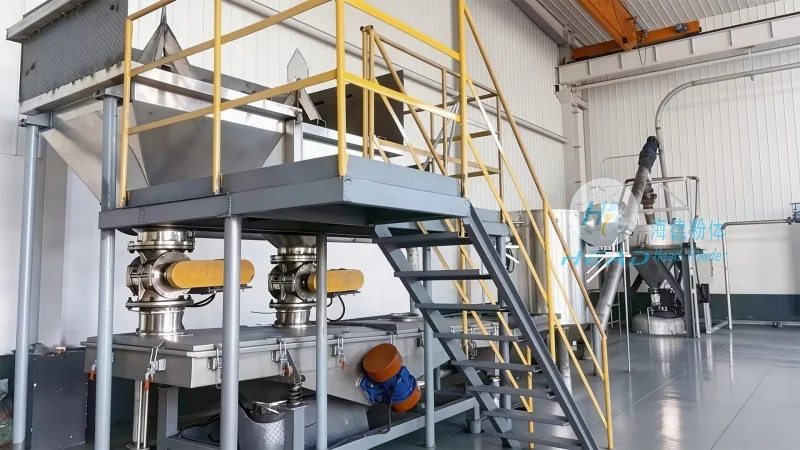
Case Study: Multi-functional Pneumatic Conveying System by Shandong HeadPowder Engineering Co., Ltd.
Shandong HeadPowder Engineering Co., Ltd., a leading provider of bulk material handling solutions, specializes in designing and manufacturing multi-functional pneumatic conveying systems tailored to the needs of various industries. With headquarters in Shandong, China, the company leverages advanced engineering principles and extensive industry experience to deliver high-performance systems that meet the most demanding requirements. Their systems are designed to handle a wide range of materials, from fine powders to coarse granules, and are equipped with features that enhance flexibility, efficiency, and reliability. For example, one of their recent projects involved the design of a multi-functional system for a pharmaceutical manufacturing facility, where the system needed to transport sensitive powders over long distances while maintaining strict contamination control. The system was configured with a combination of dilute and dense-phase modes, allowing for efficient transport of both fine and coarse powders. The use of high-quality materials and advanced control systems ensured that the system operated with minimal pressure drop and energy consumption, while maintaining the required level of material purity. This case study highlights the company's expertise in applying the key design principles discussed earlier to real-world applications, resulting in a system that meets both operational and regulatory requirements.
Conclusion: The Future of Multi-functional Bulk Material Pneumatic Conveying
Multi-functional bulk material pneumatic conveying systems represent a sophisticated and versatile solution for the efficient transport of bulk materials in industrial settings. By adhering to key design principles, such as maintaining optimal air velocity, proper pipeline sizing, and effective material handling considerations, these systems can deliver reliable and efficient performance. The adaptability of modern systems, which can switch between dilute and dense-phase modes, further enhances their utility across various applications. As industries continue to demand more efficient and sustainable material handling solutions, the importance of well-designed pneumatic conveying systems will only grow. Companies like Shandong HeadPowder Engineering Co., Ltd. play a crucial role in advancing this technology, providing tailored solutions that meet the specific needs of their clients while promoting energy efficiency and environmental responsibility. The future of bulk material handling lies in the continued development and application of these advanced systems, ensuring that industrial processes remain efficient, safe, and sustainable.