

What is Continuous Quantitative Material Pneumatic Conveying? What Are the Design Principles?
Continuous quantitative material pneumatic conveying is a specialized method of transporting bulk materials through a pipeline using air or other gas as the conveying medium. This technology is widely used in various industries, including food processing, pharmaceuticals, chemicals, and minerals, to move powders and granules from one location to another with precision and efficiency. The core of this system lies in its ability to deliver materials in a continuous, controlled manner, ensuring consistent flow rates and accurate material quantities. Understanding the design principles behind such systems is crucial for optimizing performance, minimizing downtime, and maintaining product quality.
Understanding Continuous Quantitative Material Pneumatic Conveying
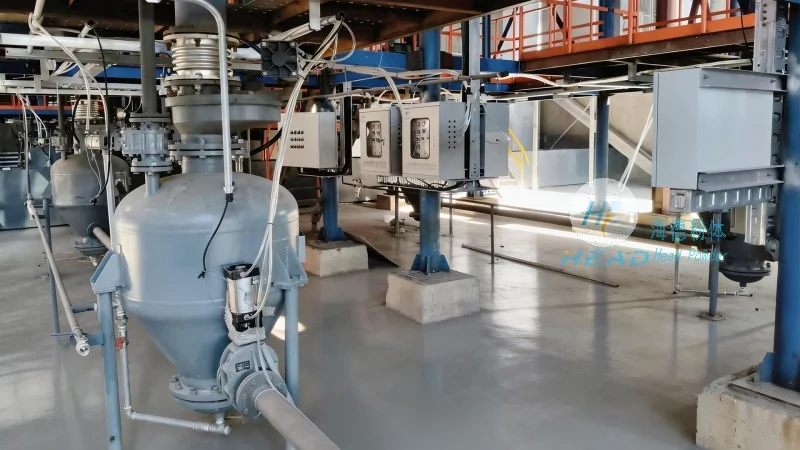
At its essence, continuous quantitative material pneumatic conveying involves the use of a closed system where materials are transported by air under pressure or suction. The process typically starts with a hopper or feeder that feeds the material into the conveying line. An air compressor or vacuum pump generates the necessary airflow to move the material through the pipeline. The system is designed to maintain a consistent flow rate, which is critical for applications requiring precise material delivery, such as in batching processes or continuous production lines.
Key Design Principles for Efficient Operation
The design of a continuous quantitative material pneumatic conveying system relies on several fundamental principles to ensure reliability and performance. First, the selection of the appropriate conveying velocity is essential. This velocity must be high enough to overcome the resistance of the material in the pipeline but low enough to prevent excessive wear and energy consumption. Engineers often use the "critical velocity" concept, which is the minimum velocity required to keep the material in suspension and prevent it from settling or clogging the line.
Second, the system's layout and components, including the hopper, feeder, pipeline, and receiver, must be carefully designed to minimize pressure losses and ensure smooth material flow. The use of appropriate fittings, bends, and expansion joints is crucial to maintain the air velocity and prevent material buildup. Additionally, the choice of materials for the pipeline and components is vital to withstand the abrasive nature of many bulk materials and resist corrosion.
HeadPowder's Expertise in Pneumatic Conveying Solutions
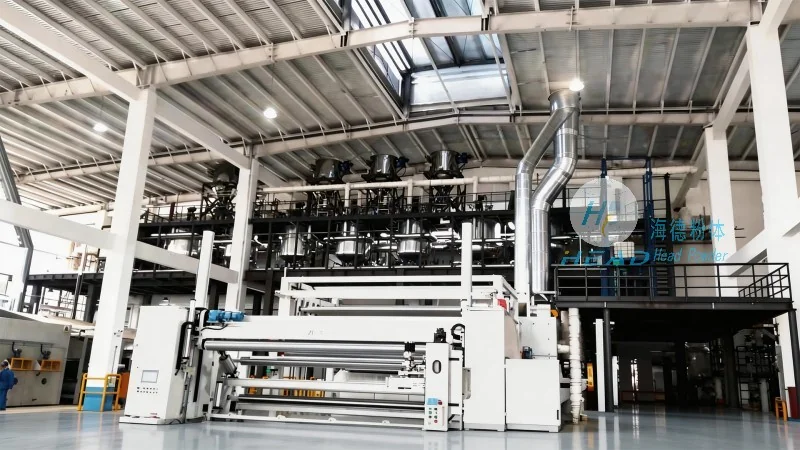
Shandong HeadPowder Engineering Co., Ltd., commonly known as HeadPowder, is a leading provider of advanced pneumatic conveying systems tailored to meet the specific needs of various industries. With years of experience in the field, HeadPowder specializes in designing and manufacturing continuous quantitative material pneumatic conveying systems that deliver high accuracy, reliability, and efficiency. The company's team of engineers and technicians works closely with clients to understand their operational requirements and develop customized solutions that optimize material handling processes.
Components and Functionality of a Typical System
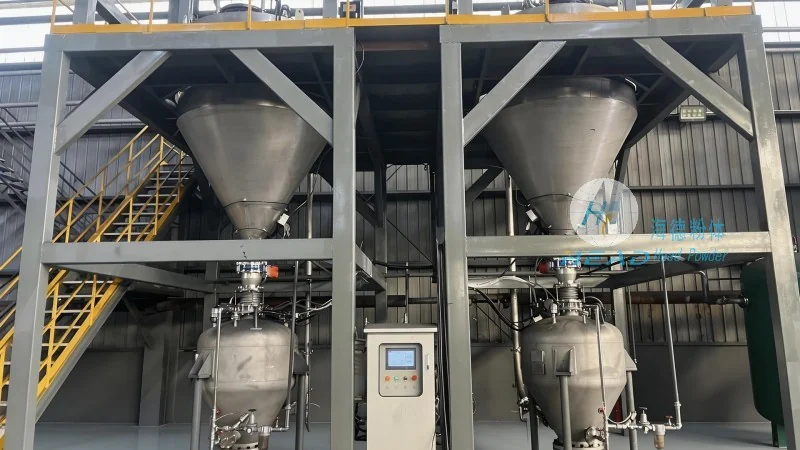
A standard continuous quantitative material pneumatic conveying system consists of several key components. The hopper or silo serves as the material storage and feeding unit, ensuring a steady supply of material to the system. The feeder, often a rotary valve or a mass flow feeder, controls the flow rate of the material into the conveying line. The pipeline, usually made of stainless steel or other corrosion-resistant materials, transports the material and air mixture. The air compressor or vacuum pump provides the necessary pressure or suction to move the material through the line. The receiver or discharge hopper collects the material at the end of the conveying line, completing the process.
Advantages of Continuous Quantitative Pneumatic Conveying
Compared to traditional mechanical conveying methods, continuous quantitative material pneumatic conveying offers several advantages. One of the primary benefits is the ability to handle a wide range of materials, from fine powders to coarse granules, without the need for additional equipment like conveyors or elevators. This reduces the risk of material contamination and improves product integrity. Additionally, the system is compact and can be installed in confined spaces, making it suitable for facilities with limited floor space. The continuous operation also minimizes downtime and maintenance, as the system can be designed to operate 24/7 with minimal intervention.
Applications in Different Industries
The versatility of continuous quantitative material pneumatic conveying makes it applicable across various sectors. In the food industry, it is used to transport ingredients like flour, sugar, and spices with precision, ensuring consistent product quality. In the pharmaceutical industry, the system is employed to handle sensitive materials, such as powders for medications, while maintaining strict hygiene standards. The chemical industry utilizes pneumatic conveying for transporting chemicals and reagents, where accurate dosing and contamination control are critical. Similarly, in the minerals and mining sector, the technology is used to move bulk materials like ores and coal, improving efficiency in processing and transportation.
Conclusion and Company Commitment
Continuous quantitative material pneumatic conveying is a sophisticated technology that combines engineering precision with operational efficiency. The design principles behind such systems focus on maintaining consistent flow rates, minimizing pressure losses, and ensuring reliable material transport. HeadPowder, with its expertise and commitment to quality, provides comprehensive solutions that meet the diverse needs of industries worldwide. By leveraging advanced design and manufacturing capabilities, HeadPowder ensures that its pneumatic conveying systems deliver optimal performance, reliability, and cost-effectiveness, helping clients achieve their operational goals with precision and efficiency.