

What is Automatic Loading and Unloading Material Pneumatic Conveying? And What Are Its Design Princi
Material handling in industrial processes often requires efficient and automated solutions to enhance productivity and safety. Pneumatic conveying systems, which use air or gas to transport bulk materials, have become a cornerstone in modern manufacturing and processing. Among these systems, automatic loading and unloading material pneumatic conveying stands out for its ability to streamline material transfer between different stages of production, from raw material intake to finished product output.
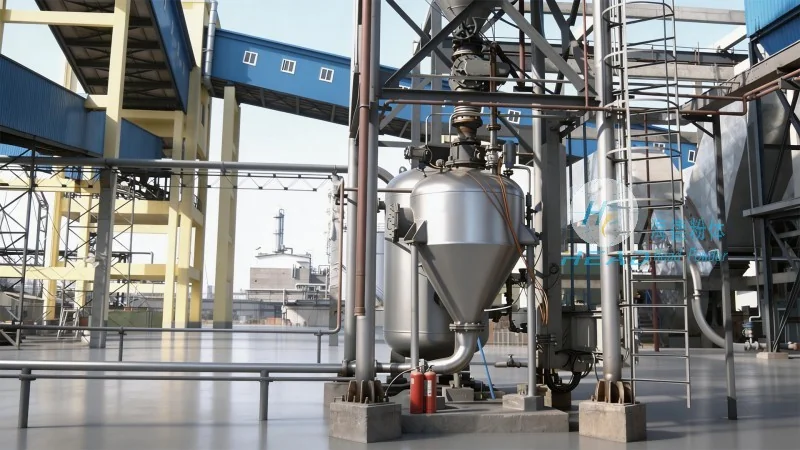
Understanding Pneumatic Conveying Systems
Pneumatic conveying is a method of transporting solid materials through a pipeline using a moving gas stream. Unlike mechanical conveyors that rely on physical contact and moving parts, pneumatic systems utilize air pressure to move materials, offering advantages such as flexibility in layout, reduced contamination risk, and the ability to handle a wide range of materials, including powders, granules, and bulk solids. The core components of a pneumatic conveying system typically include a material feed hopper, a conveyor line (with or without bends), a separation or collection device, and a dust collector or filter system.
Key Components of Automatic Loading and Unloading Systems
Automatic loading and unloading material pneumatic conveying systems are designed to operate with minimal human intervention, ensuring continuous and reliable material flow. The system typically consists of several key components that work in tandem to achieve this goal. First, the loading unit, which may include a hopper or a bulk material feeder, is responsible for introducing the material into the conveying line. This unit often features automatic level sensors and control mechanisms to maintain consistent material feed rates, preventing overfilling or underfilling that could disrupt the conveying process.
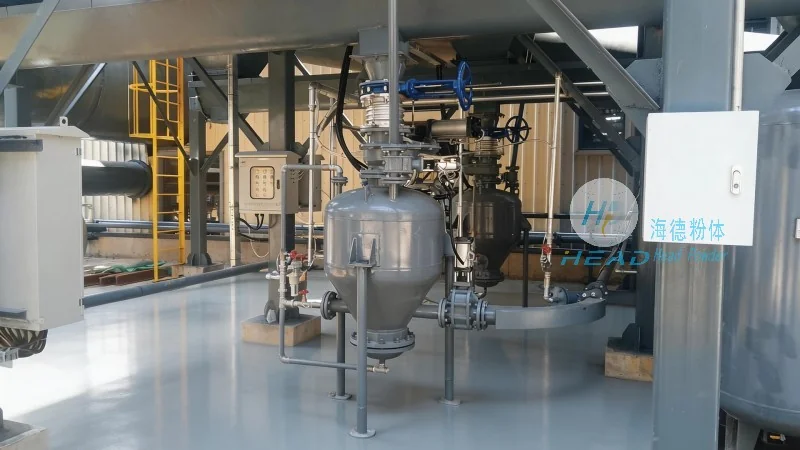
Next, the conveying line itself, which may incorporate various types of ducts and fittings, is engineered to transport the material efficiently. The design of the pipeline, including the use of bends, elbows, and straight sections, is critical to maintaining the material's flow and preventing blockages or material degradation. For systems handling fine powders, the use of flexible hoses or rigid pipes with smooth interiors is essential to minimize friction and ensure consistent air flow.
Design Principles for Efficient Material Transfer
The design of an automatic loading and unloading material pneumatic conveying system is guided by several fundamental principles aimed at optimizing performance, energy efficiency, and material integrity. One of the primary design considerations is the selection of the appropriate conveying method—either positive pressure (where air is blown into the system to push material forward) or negative pressure (where air is drawn out to pull material). The choice between these methods depends on factors such as the material's properties (e.g., dustiness, moisture content), the distance to be conveyed, and the desired system layout.
Another critical design principle is the determination of the air-to-solid ratio (air-to-solid ratio), which refers to the volume of air used per unit volume of material. This ratio is crucial for maintaining the material's suspension in the air stream and preventing material deposition or blockages. Engineers typically conduct tests to determine the optimal air-to-solid ratio for a given material, ensuring that the system operates within the most efficient and reliable range.
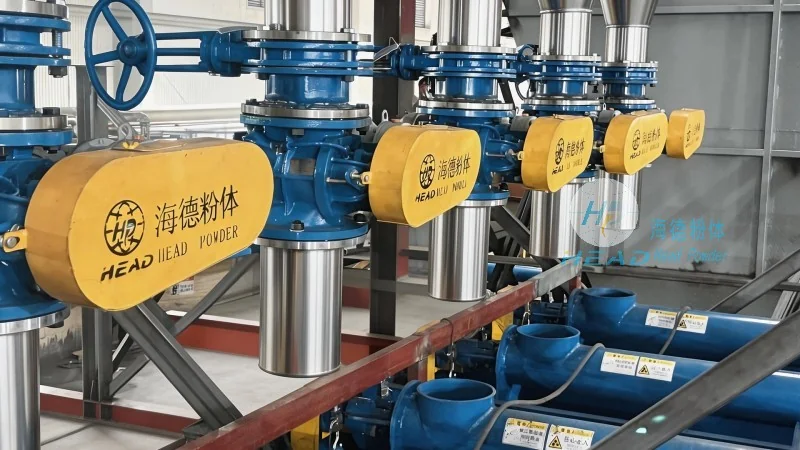
Furthermore, the system's control system plays a vital role in its design. Modern pneumatic conveying systems often incorporate advanced control technologies, such as programmable logic controllers (PLCs) and sensors, to monitor and adjust parameters in real-time. These controls can regulate air pressure, material feed rates, and system speed, ensuring that the system operates smoothly and responds to changes in production demand. The integration of automation in the control system also enhances safety by reducing the risk of human error and providing emergency stop capabilities.
Applications and Benefits of Automatic Loading and Unloading Pneumatic Conveying
Automatic loading and unloading material pneumatic conveying systems find widespread application in various industries, including pharmaceuticals, food processing, chemicals, and manufacturing. In the pharmaceutical industry, for example, these systems are used to transport raw materials and finished products with high precision and minimal contamination, meeting stringent regulatory requirements. In food processing, the systems are designed to handle food-grade materials while maintaining hygiene standards, ensuring that the final products are safe for consumption.
The benefits of these systems extend beyond efficiency and safety. By automating material handling, companies can reduce labor costs, minimize downtime due to manual operations, and improve overall production throughput. The flexibility of pneumatic conveying systems also allows for easy integration with existing production lines, enabling manufacturers to adapt to changing production needs without significant modifications to their infrastructure.
About Shandong HeadPowder Engineering Co., Ltd.
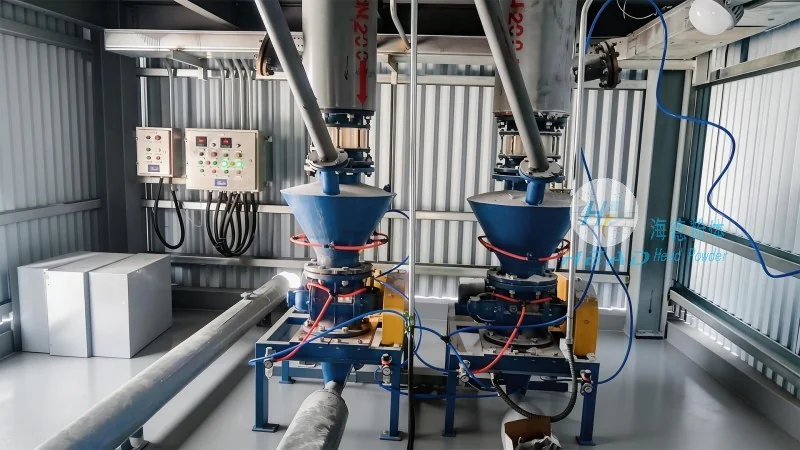
Shandong HeadPowder Engineering Co., Ltd., operating under the brand name HeadPowder, is a leading provider of customized material handling solutions, including automatic loading and unloading pneumatic conveying systems. With a strong focus on innovation and customer-centric design, HeadPowder specializes in developing systems tailored to the unique needs of each client. The company's team of experienced engineers and technicians works closely with clients to understand their production challenges and design solutions that optimize material flow, reduce operational costs, and enhance safety.
HeadPowder's commitment to quality and reliability is reflected in its use of advanced materials and manufacturing processes. The company adheres to international standards and employs rigorous testing protocols to ensure that its systems meet the highest performance and safety requirements. With a manufacturing facility located in Shandong, China, HeadPowder leverages its local expertise and resources to deliver efficient, cost-effective solutions to clients worldwide.