

What is a Heavy Calcium Powder Material Pneumatic Conveying System? What Are Its Design Principles?
Heavy calcium powder, a critical raw material in various industrial applications, often requires efficient and reliable transportation methods. Pneumatic conveying systems have emerged as a preferred solution for handling such powders due to their ability to transport materials without direct contact, minimizing contamination and wear. This article explores the fundamental aspects of a heavy calcium powder material pneumatic conveying system, including its design principles and operational benefits.
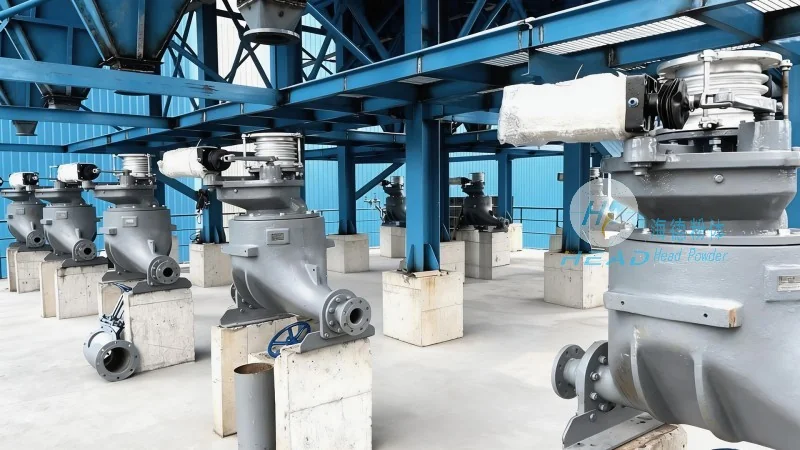
Understanding Pneumatic Conveying Technology
Pneumatic conveying systems utilize air or gas to transport bulk materials like heavy calcium powder through a pipeline network. The technology operates on the principle of creating a pressure differential between the conveying line and the ambient environment. By generating sufficient airflow, the system can lift, transport, and discharge the powder from one location to another. There are primarily two types of pneumatic conveying systems: pressure and vacuum systems, each with distinct characteristics suited for different material properties and application requirements.
Key Design Principles for Heavy Calcium Powder Conveying
The design of a heavy calcium powder pneumatic conveying system involves several critical principles to ensure optimal performance and longevity. First, the system must be engineered to handle the specific physical properties of heavy calcium powder, such as particle size, density, and flowability. Proper sizing of the conveying line, including diameter and length, is essential to maintain adequate air velocity and prevent material settling or blockages. The choice of air velocity is a crucial factor; too low, and the powder may not be adequately suspended, leading to deposition; too high, and excessive energy consumption and equipment wear occur. Additionally, the system must incorporate appropriate filtration and separation mechanisms to prevent dust accumulation and maintain air quality. The selection of components, including blowers, cyclones, and filters, is tailored to the material's characteristics and the required conveying distance. For instance, high-pressure blowers may be used for long-distance conveying, while vacuum systems are suitable for shorter distances or when material is to be collected from multiple points.
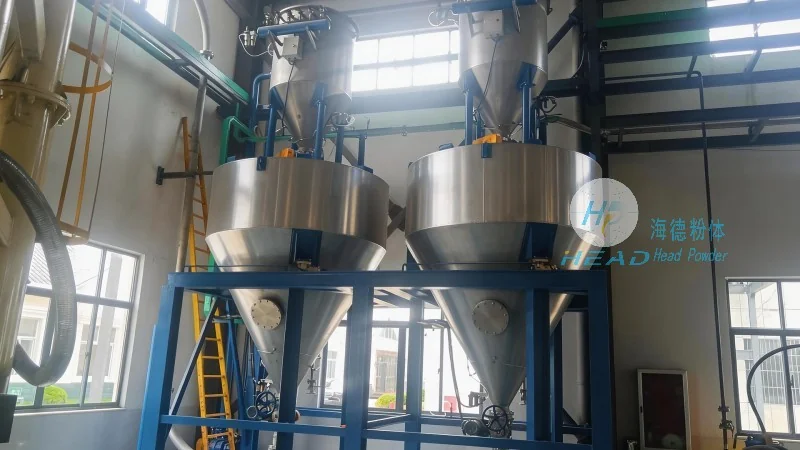
Components and Their Roles in the System
A typical heavy calcium powder pneumatic conveying system consists of several key components, each playing a vital role in the overall operation. The primary components include a blower or compressor to generate the necessary airflow, a hopper or feeder to store and feed the powder into the system, a conveying line (often made of stainless steel or other corrosion-resistant materials to withstand the powder's abrasive nature), and a receiver or discharge hopper to collect the material at the destination. Cyclones are commonly used as separation devices to separate the powder from the air stream, ensuring that the material is collected efficiently while the air is filtered and recirculated. Filters, such as bag filters or cartridge filters, are essential to remove any residual dust from the air before it is released back into the environment or recirculated. The control system, which may include sensors and valves, monitors and regulates the flow of material and air, ensuring consistent performance and preventing overloading or underloading of the system.
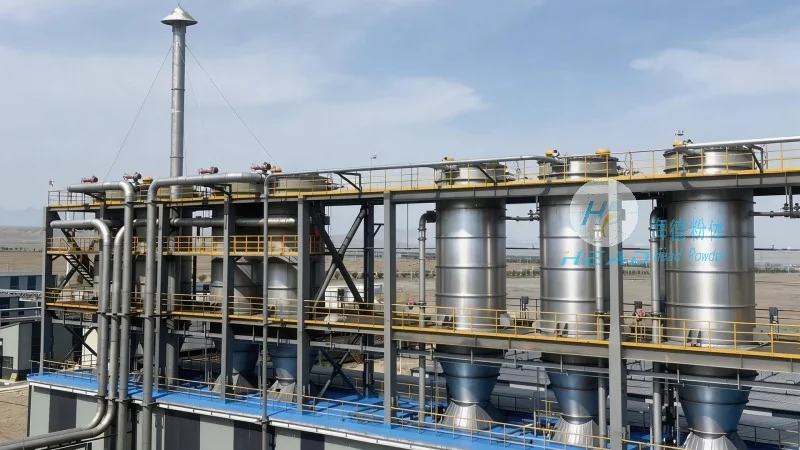
Benefits and Applications of Heavy Calcium Powder Pneumatic Conveying
The adoption of pneumatic conveying systems for heavy calcium powder offers numerous advantages over traditional methods like bucket elevators or belt conveyors. One of the most significant benefits is the reduction in material handling time and labor costs, as the system can transport large quantities of powder over long distances with minimal human intervention. The enclosed nature of the system also minimizes dust emissions, enhancing workplace safety and compliance with environmental regulations. Furthermore, pneumatic conveying systems are highly flexible, allowing for easy integration with existing production lines and the ability to convey materials from multiple sources to a single destination or vice versa. These systems are widely used in industries such as paper, plastics, coatings, and pharmaceuticals, where heavy calcium powder is a key ingredient. For example, in the paper industry, the system can efficiently transport heavy calcium powder from storage silos to the papermaking machines, ensuring a consistent supply of raw material and maintaining the quality of the final product.
Conclusion and Company Overview
Heavy calcium powder pneumatic conveying systems represent a sophisticated and efficient solution for handling bulk materials in industrial settings. By adhering to key design principles and utilizing appropriate components, these systems can deliver reliable, low-maintenance operation while minimizing environmental impact. As a leading provider in the field, Shandong HeadPowder Engineering Co., Ltd., based in Shandong, China, specializes in designing and manufacturing customized pneumatic conveying systems tailored to the specific needs of heavy calcium powder applications. With a focus on quality and innovation, the company ensures that its systems meet the highest standards of performance and durability, supporting the operational efficiency of its clients across various industries.