

What is a Coal Ash Material Pneumatic Conveying System? What Are Its Design Principles?
Coal ash, also known as fly ash or bottom ash from coal combustion, is a byproduct that requires efficient handling and transportation. A coal ash material pneumatic conveying system is a specialized industrial solution designed to transport these fine particulate materials through a pipeline using air pressure. This technology offers a dust-free, low-maintenance, and flexible method for moving coal ash from its source to processing or disposal locations.
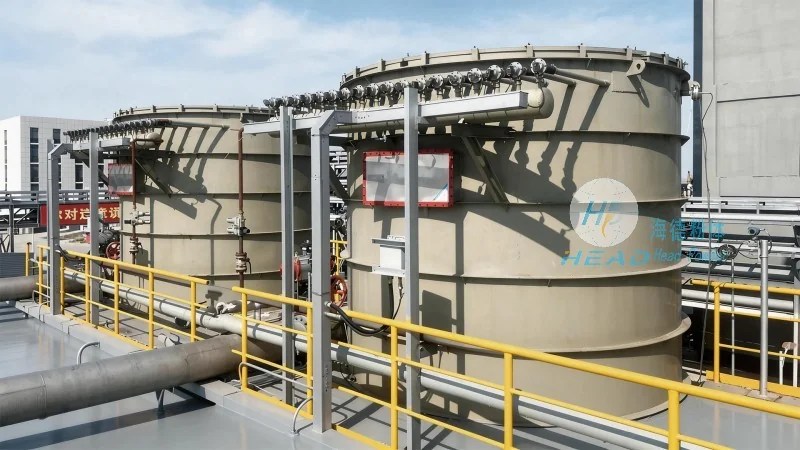
At Shandong HeadPowder Engineering Co., Ltd., we specialize in the design and implementation of such systems, ensuring optimal performance for coal ash handling applications. Our expertise lies in understanding the unique properties of coal ash—such as its fine particle size, moisture content, and potential for agglomeration—and tailoring the conveying system to meet the specific demands of each project.
Core Components of a Coal Ash Pneumatic Conveying System
The design of a coal ash pneumatic conveying system involves several key components that work in concert to ensure reliable material transport. These components include:
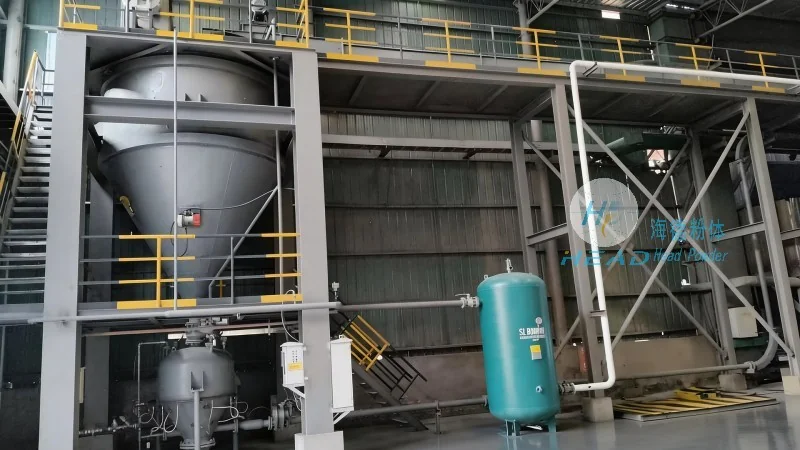
- Feed Hopper: A container that stores and feeds the coal ash into the system, often equipped with a rotary valve or feeder to control the flow rate.
- Pneumatic Conveying Pipe: The main pipeline through which the coal ash is transported. The pipe is typically made of corrosion-resistant materials like stainless steel or special plastic to withstand the abrasive nature of ash particles.
- Air Supply System: Compressors and air treatment equipment that generate the necessary air pressure to move the material. This system may include filters, dryers, and regulators to maintain air quality and pressure stability.
- Control Valves and Branch Lines: These components direct the flow of ash to different destinations, such as storage silos or processing units. They allow for flexibility in routing and can be adjusted based on operational needs.
- Receiving Hopper or Silo: The final destination where the coal ash is deposited. This component is designed to handle the material's characteristics and prevent spillage or re-entrainment of dust.
Each component is carefully selected and sized based on the ash's properties, the required conveying distance, and the desired flow rate. For example, the pipe diameter and length will influence the air velocity and pressure needed to move the material efficiently without causing blockages or excessive energy consumption.
Design Principles for Efficient Coal Ash Conveying
The design principles of a coal ash pneumatic conveying system focus on maximizing efficiency, minimizing downtime, and ensuring safety. Key design considerations include:
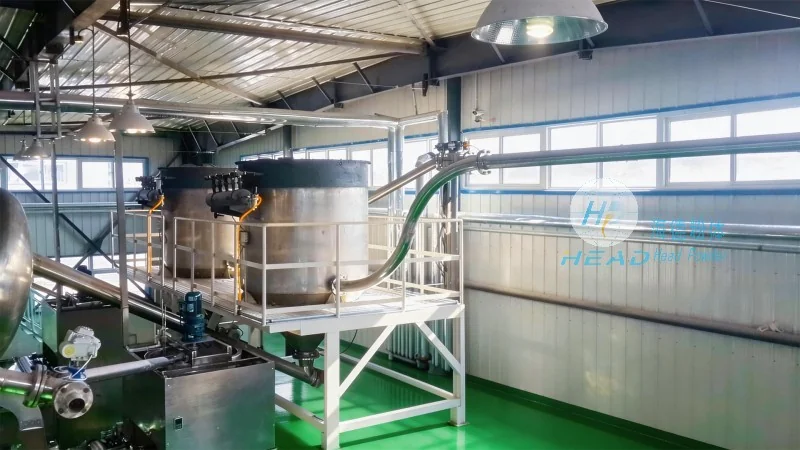
- Air Velocity and Pressure: The air velocity within the pipeline must be sufficient to suspend the ash particles and prevent them from settling or agglomerating. This typically requires air velocities between 20-30 meters per second for fine ash particles. The pressure required is directly related to the conveying distance and the system's layout.
- Material Flow Rate and Capacity: The system's design must accommodate the expected flow rate of coal ash, which can vary based on the source (e.g., power plant output) and the downstream processing requirements. Proper sizing of the feed hopper, pipe diameter, and air supply ensures consistent material transport without overloading the system.
- Prevention of Blockages and Agglomeration: Coal ash can agglomerate due to moisture or high temperatures, leading to blockages in the pipeline. Design measures include using heated pipes or adding anti-agglomerating agents, as well as incorporating vibration or agitation devices to keep the material in a free-flowing state.
- Dust Control and Environmental Compliance: Pneumatic conveying systems inherently generate dust, which must be controlled to meet environmental regulations. This is achieved through the use of dust collectors, filters, and proper sealing of components to prevent emissions. The design also considers the need for regular maintenance to ensure the system remains dust-free and compliant.
- Energy Efficiency: Efficient design aims to minimize energy consumption while maintaining performance. This involves optimizing air pressure, reducing pipe friction, and using energy-efficient compressors. The system's layout, such as minimizing bends and using straight pipe sections, also contributes to lower energy use.
At Shandong HeadPowder Engineering Co., Ltd., our engineers apply these principles to create customized solutions that address the unique challenges of coal ash handling. By considering the material's properties, operational requirements, and environmental constraints, we design systems that are both effective and sustainable.
Applications and Benefits of Coal Ash Pneumatic Conveying
Coal ash material pneumatic conveying systems are widely used in various industries, particularly in power generation, where coal ash is a significant byproduct. The primary applications include:
- Transportation to Storage Silos: Moving ash from the boiler house to storage facilities for later use or disposal.
- Delivery to Processing Plants: Conveying ash to facilities for further processing, such as cement production or concrete additives.
- Transfer Between Processing Stages: Moving ash between different processing units within a plant, ensuring a continuous flow of material.
The benefits of using a pneumatic conveying system for coal ash include:
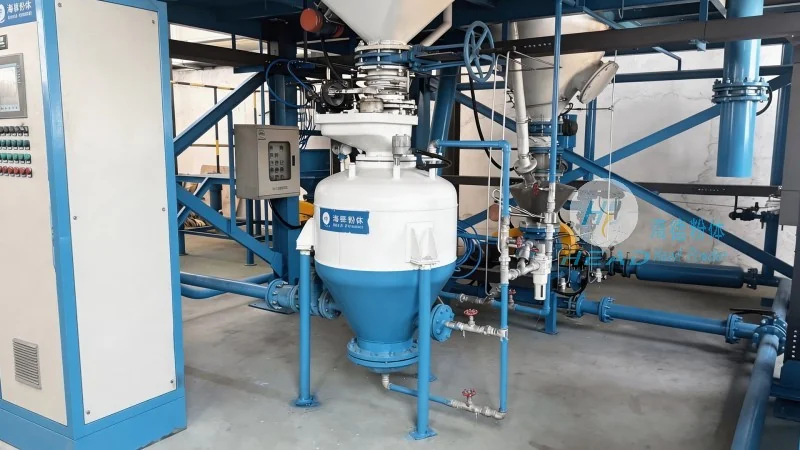
- Reduced Labor and Maintenance: Automated systems minimize the need for manual handling, reducing labor costs and the risk of injury.
- Improved Safety: The enclosed pipeline design prevents dust exposure and reduces the risk of accidents associated with manual handling of ash.
- Flexibility and Scalability: The system can be easily expanded or reconfigured to accommodate changes in production or processing needs.
- Environmental Advantages: By controlling dust emissions and reducing the need for open-air handling, the system helps meet environmental regulations and improves workplace air quality.
- Energy Efficiency: Compared to traditional methods like bucket elevators or belt conveyors, pneumatic systems can be more energy-efficient, especially for long-distance or high-volume transport.
Overall, a coal ash material pneumatic conveying system is a critical component in modern coal ash management, offering a reliable and efficient solution for transporting this valuable byproduct while ensuring safety and environmental compliance.
Shandong HeadPowder Engineering Co., Ltd. is committed to providing high-quality pneumatic conveying systems tailored to the specific needs of coal ash handling applications. Our expertise in material science and industrial engineering ensures that our solutions are both effective and sustainable, helping clients optimize their operations and meet regulatory requirements.