

What is a Fish Meal Material Pneumatic Conveying Line? And What Are Its Design Principles?
Fish meal is a crucial ingredient in animal feed and aquaculture, and efficient handling of this material is essential for industrial operations. A fish meal material pneumatic conveying line is a specialized system designed to transport fish meal powder or granules from one location to another using air as the primary conveying medium. This technology offers a clean, dust-free, and energy-efficient method compared to traditional mechanical conveyors, making it ideal for applications where hygiene and product integrity are paramount.
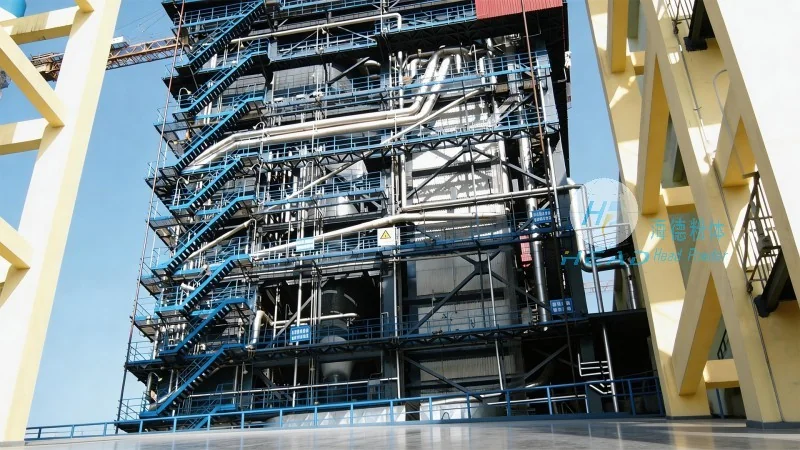
Understanding the Core Function of Pneumatic Conveying Systems for Fish Meal
At its core, a pneumatic conveying line for fish meal operates by creating a pressure differential or using vacuum to move the material through a pipeline. The system typically consists of a hopper to store the fish meal, a feeder to control the flow rate, a conveyor pipe, and a receiver to collect the material at the destination. The air, often supplied by a blower or fan, is introduced into the system to carry the fish meal particles along the pipeline. This method ensures that the fish meal remains dry and free from contamination during transit, which is critical for maintaining its quality and nutritional value.
Design Principles Behind Fish Meal Material Pneumatic Conveying Lines
The design of a fish meal pneumatic conveying line involves several key principles to ensure optimal performance and reliability. First, the system must be designed to handle the specific properties of fish meal, such as its particle size, moisture content, and flowability. The conveying velocity must be sufficient to prevent material settling or blockages in the pipeline. Engineers often use the "minimum conveying velocity" concept, which is the lowest air speed required to keep the material suspended and moving smoothly. For fish meal, this velocity is typically higher than for other powders due to its cohesive nature.
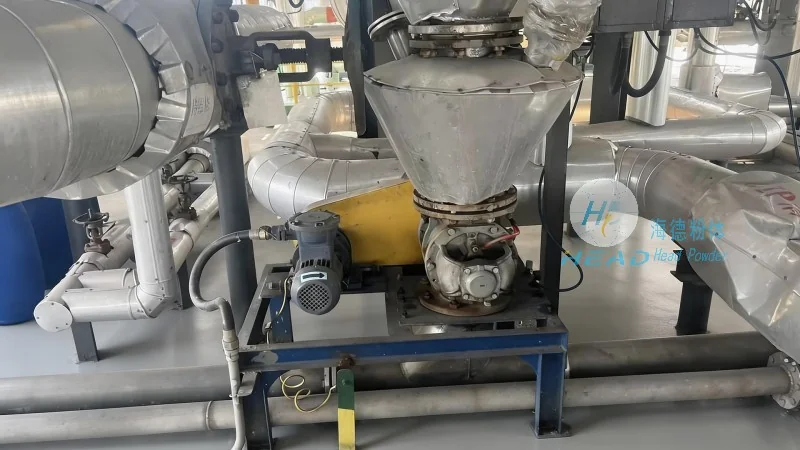
Second, the system's pressure and flow rate are carefully controlled to maintain a stable conveying process. Overpressurization can lead to excessive wear on components and energy waste, while underpressurization may cause material deposition or blockages. The design also considers the system's capacity, ensuring it can handle the required throughput without compromising efficiency. Additionally, the materials of construction are chosen to be compatible with fish meal, which may contain acidic or corrosive components, often using stainless steel or specialized coatings to prevent degradation.
Key Components and Their Roles in the System
Several critical components make up a fish meal material pneumatic conveying line. The hopper serves as the storage vessel, providing a large capacity to hold the fish meal and ensuring a consistent feed to the system. The feeder, often a rotary valve or a screw feeder, regulates the flow rate of the material into the conveyor pipe, preventing overfeeding or underfeeding that could disrupt the conveying process. The conveyor pipe is the main pathway for the material and air, typically made of flexible or rigid materials depending on the application. The receiver, located at the end of the line, collects the fish meal and may include a dust collection system to ensure environmental compliance.
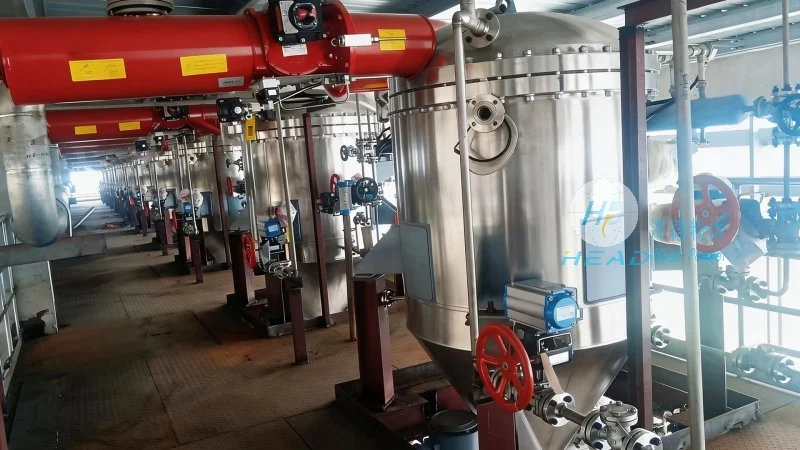
The blower or fan is the power source, generating the necessary air pressure or vacuum to move the material. The air filter and separator are essential for maintaining air quality and preventing fish meal particles from entering the blower, which could cause damage or reduce efficiency. The control system, often a PLC (Programmable Logic Controller), monitors and adjusts the flow rate, pressure, and other parameters to ensure the system operates within optimal conditions. Each component is designed to work in harmony, ensuring the smooth and efficient transport of fish meal from the source to the destination.
Application Scenarios and Benefits of Using Such Conveying Lines
Fish meal material pneumatic conveying lines are widely used in various industries, particularly in the animal feed and aquaculture sectors. They are commonly employed in feed mills, fish meal processing plants, and pet food manufacturing facilities. The primary benefits of using such systems include improved hygiene, as the enclosed pipeline prevents dust and contamination from the environment. This is crucial for maintaining the quality of fish meal, which is a sensitive product. Additionally, the system offers a dust-free operation, reducing the risk of respiratory issues for workers and minimizing environmental pollution.
Another significant benefit is the energy efficiency of pneumatic conveying. Compared to mechanical conveyors, which require moving parts and more maintenance, pneumatic systems can be more energy-efficient, especially for long-distance or high-volume transport. The system also provides flexibility in layout, as the pipeline can be arranged in various configurations to suit the plant's layout, without the need for complex mechanical connections. Furthermore, the enclosed nature of the system helps in maintaining product temperature, which is important for preserving the nutritional value of fish meal.
About Shandong HeadPowder Engineering Co., Ltd.
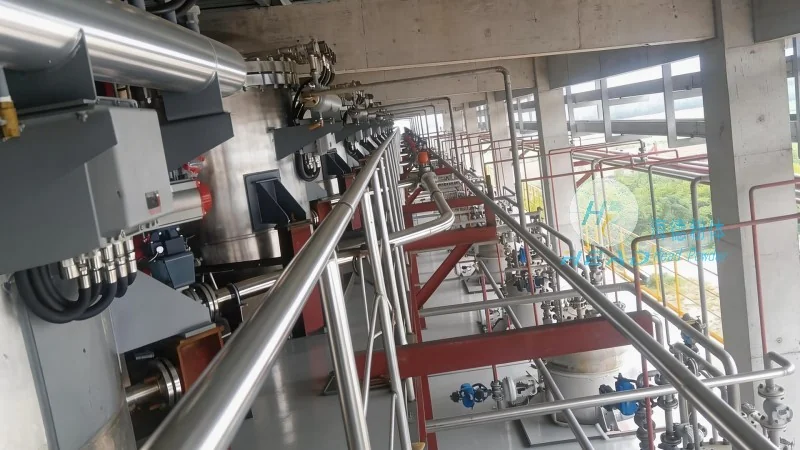
Shandong HeadPowder Engineering Co., Ltd., commonly known as headpowder, is a leading manufacturer and supplier of industrial conveying systems, including fish meal material pneumatic conveying lines. The company is headquartered in Shandong, China, and has a strong reputation for delivering high-quality, reliable, and efficient solutions tailored to the needs of its clients. With years of experience in the industry, headpowder has developed a deep understanding of the unique challenges associated with handling fish meal and other similar materials, enabling them to design and manufacture systems that meet the highest standards of performance and durability.
The company's team of engineers and technicians is dedicated to providing customized solutions that address the specific requirements of each project. They work closely with clients to understand their operational needs, process parameters, and budget constraints, ensuring that the final product is not only efficient but also cost-effective. Headpowder's commitment to quality is evident in its use of advanced manufacturing techniques and rigorous quality control processes. Each component of the conveying line is tested and inspected to ensure it meets or exceeds industry standards, providing clients with peace of mind regarding the reliability and longevity of their investment.