

What is a Pigment Material Pneumatic Conveying Line? And What Are Its Design Principles?
When it comes to the efficient and reliable transport of pigment materials in industrial settings, the pigmented material pneumatic conveying line has emerged as a crucial solution. This technology offers a sophisticated method for moving bulk materials like pigments, powders, and other fine particles through a system of air or gas flow. Understanding what a pigmented material pneumatic conveying line is, along with its design principles, is essential for industries that rely on consistent and safe material handling processes.
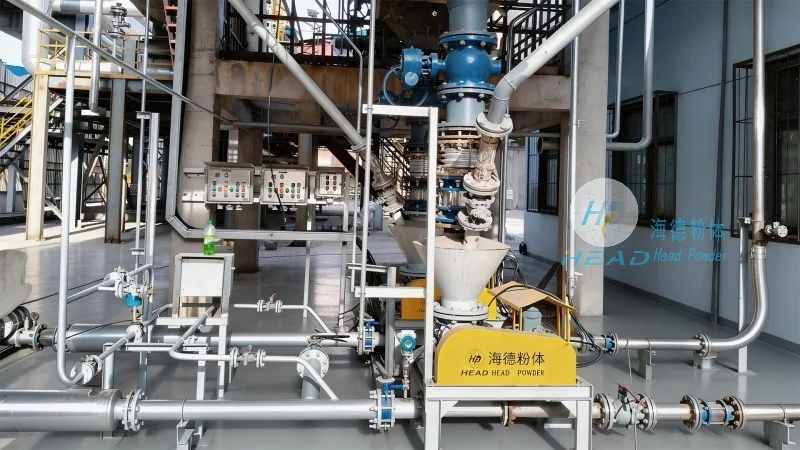
Pigment Material Pneumatic Conveying Line: An Overview
A pigmented material pneumatic conveying line is a system designed to transport dry, powdered pigments and other similar materials using compressed air or gas as the primary motive force. Unlike traditional mechanical conveyors, which rely on physical components like belts or screws, pneumatic systems utilize air pressure to move materials through pipes or ducts. This approach offers several advantages, including reduced risk of material contamination, lower maintenance requirements, and the ability to handle materials that are sensitive to moisture or temperature changes.
Key Components of a Pigment Material Pneumatic Conveying Line
The effectiveness of a pigmented material pneumatic conveying line depends on several key components that work in tandem to ensure smooth operation. These components typically include a material hopper or feeder, which holds the pigment and regulates the flow into the system; a compressor or air source that generates the necessary pressure; a conveying line (usually made of stainless steel or other corrosion-resistant materials) that transports the material; and a receiver or discharge unit where the material is collected. Additionally, many systems incorporate filters and cyclones to separate the material from the air stream, ensuring that the material remains clean and free from dust or debris.
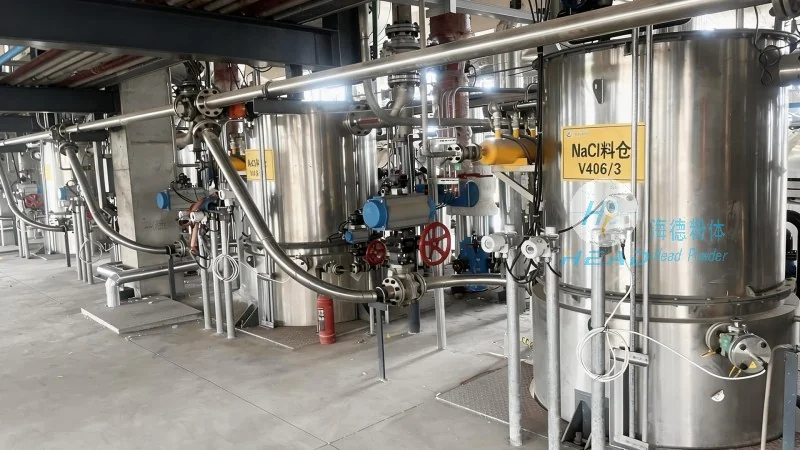
Design Principles for Optimal Performance
The design of a pigmented material pneumatic conveying line is based on several critical principles to ensure efficiency, safety, and longevity. One of the primary principles is the selection of the appropriate air velocity and pressure. The air velocity must be high enough to overcome the gravitational force of the material and prevent it from settling in the pipes, but not so high as to cause excessive wear on the system components or create excessive dust. The pressure level is also carefully determined based on the material's properties, such as its density, particle size, and flowability. Another key design principle is the layout of the conveying line, which should be designed to minimize bends and changes in direction to reduce pressure losses and prevent material blockages. The system's design also considers factors like material compatibility with the conveying components, ensuring that the materials do not corrode or degrade the system over time.
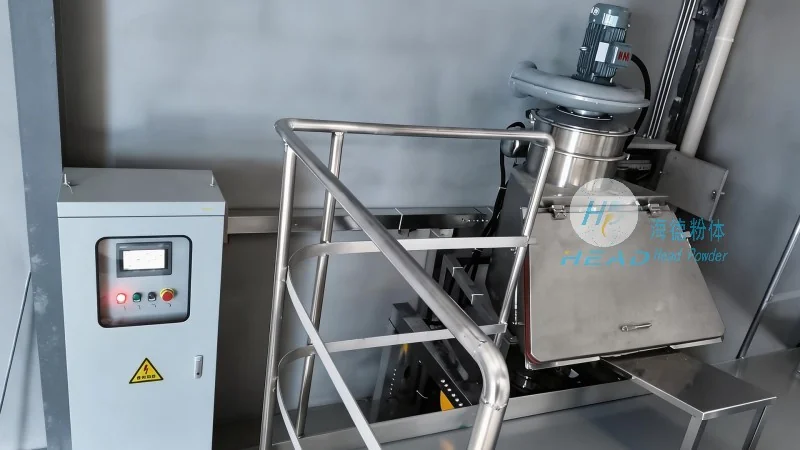
Applications and Benefits in Industrial Settings
Pigmented material pneumatic conveying lines are widely used in various industries, including the pigment manufacturing sector, where they are essential for transporting raw pigments to processing facilities. They are also commonly employed in the chemical, pharmaceutical, and food industries for handling fine powders and other materials. The benefits of using such systems include improved process efficiency, reduced labor costs, enhanced safety by minimizing direct handling of materials, and the ability to handle materials that are difficult to transport using traditional methods. Additionally, these systems can be integrated with other processing equipment, such as mixers and dryers, to create a seamless material handling workflow.
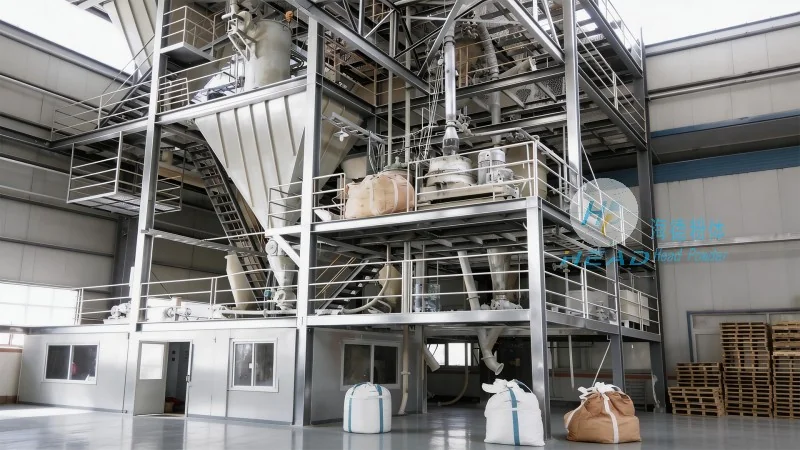
Customization and Scalability
Given the diverse nature of pigment materials and industrial applications, pigmented material pneumatic conveying lines are often customized to meet specific requirements. Companies like Shandong HeadPowder Engineering Co., Ltd., a leading provider in this field, offer tailored solutions that can be scaled to accommodate varying production volumes and material types. The customization may involve adjusting the size of the conveying line, modifying the air pressure and velocity, or incorporating additional components like dust collectors or material separators. This flexibility ensures that the system can adapt to the evolving needs of the industry, providing long-term reliability and performance.
Conclusion
In conclusion, a pigmented material pneumatic conveying line is a sophisticated and efficient system for transporting pigment materials in industrial settings. Its design is based on principles that optimize material flow, minimize wear and tear, and ensure safety and reliability. With the expertise of companies like Shandong HeadPowder Engineering Co., Ltd., based in China, industries can access high-quality, customized solutions that meet their specific needs, enhancing their overall operational efficiency and productivity.