

Working Principle and Characteristics of Vinyl Ester Resin Pneumatic Conveying
Shandong HeadPowder Engineering Co., Ltd. is a professional manufacturer and supplier of high-quality industrial materials, specializing in advanced solutions for vinyl ester resin applications. The company is headquartered in Shandong, China, and has established itself as a trusted provider in the field of material handling and processing technologies.
The Working Principle of Vinyl Ester Resin Pneumatic Conveying
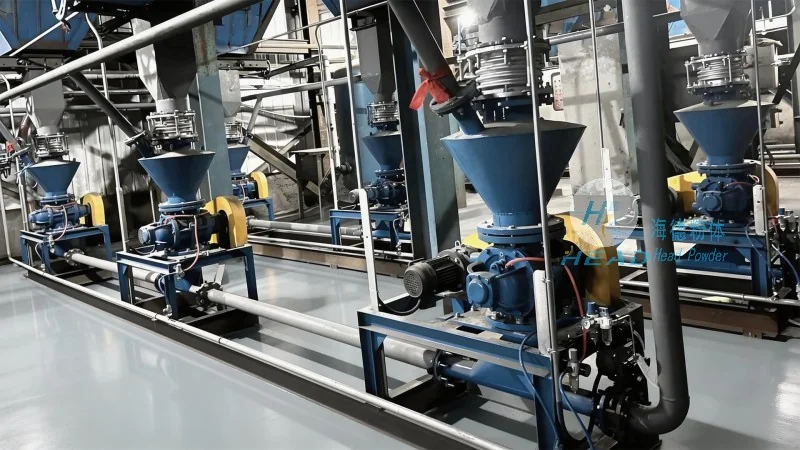
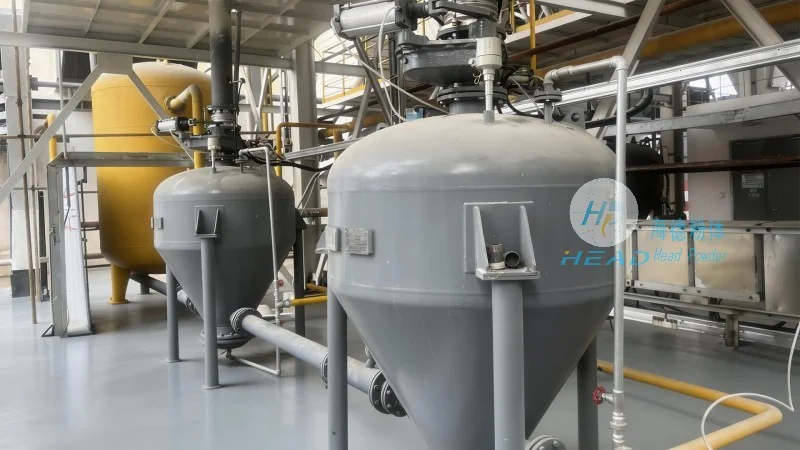
Vinyl ester resin pneumatic conveying is a method that utilizes air or gas to transport resin particles from a storage or processing point to a destination. This process involves several key components and steps that ensure efficient material movement. The system typically starts with a hopper or storage tank where the vinyl ester resin is stored in powder or granular form. From there, the resin is drawn into a conveyor line by a blower or compressor that generates compressed air. The air flow creates a stream that suspends the resin particles, allowing them to be carried through the pipeline to a receiver or processing unit. The conveying can be achieved through positive pressure, where air is pushed forward, or negative pressure, where a vacuum pulls the material. The efficiency of the system depends on factors such as particle size, resin density, air velocity, and the length of the conveying line. Proper design and maintenance of the air system and pipeline are crucial to prevent blockages and ensure consistent performance.
Key Characteristics of Vinyl Ester Resin Pneumatic Conveying
The characteristics of vinyl ester resin pneumatic conveying include high efficiency in transporting large quantities of resin over long distances with minimal labor. The system offers flexibility, enabling adjustments to the conveying route or volume without extensive modifications. It provides a clean and dust-free operation, which is essential for maintaining product quality and safety in industrial environments. Additionally, the system can be integrated seamlessly with other processing equipment, such as mixing or molding machines, to create a continuous production line. Another notable feature is its versatility in handling different resin types and particle sizes, making it suitable for a wide range of applications. The control system allows for precise regulation of the conveying rate, ensuring consistent material delivery. However, regular maintenance of the air system and pipeline is necessary to prevent wear and blockages, which is important for long-term operational reliability. The initial investment and ongoing maintenance costs should be considered when evaluating the suitability of this conveying method for specific industrial needs.