

Working Principle and Characteristics of Aerodynamic Transport for Vitrified Microspheres
HeadPowder, a leading manufacturer in the field, specializes in the design and implementation of aerodynamic transport systems for vitrified microspheres. This article delves into the fundamental working principles and key characteristics of such systems, providing a comprehensive overview for industry professionals and potential clients.
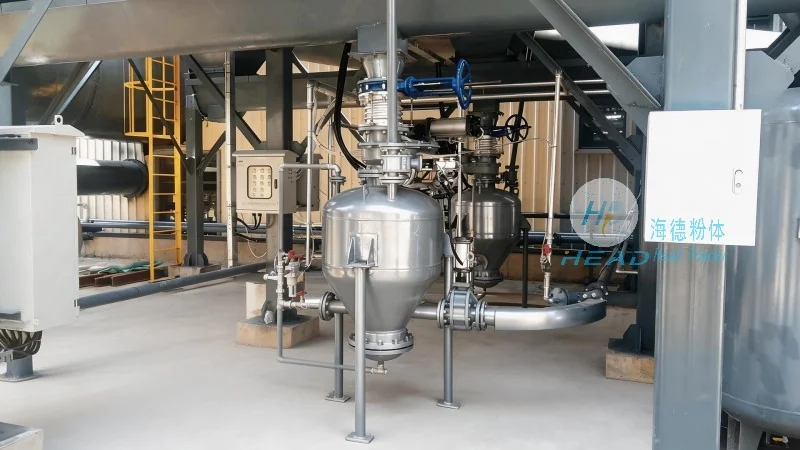
Introduction to Vitrified Microspheres and Aerodynamic Transport
Vitrified microspheres are lightweight, spherical particles with a glassy structure, commonly used as insulating materials in construction and other industrial applications. Aerodynamic transport, or pneumatic conveying, is a method that utilizes air or gas to move these particles from one location to another. The efficiency and reliability of this process depend heavily on the design of the transport system, which must be tailored to the specific properties of the microspheres and the operational requirements of the application.
Company Overview: Shandong HeadPowder Engineering Co., Ltd.
HeadPowder, operating from Shandong, China, is dedicated to advancing the technology of material handling through innovative solutions. With years of experience in the industry, the company has developed expertise in designing and manufacturing aerodynamic transport systems that meet the highest standards of performance and durability. The company’s commitment to quality and customer satisfaction has established it as a trusted partner for businesses seeking reliable material transport solutions.
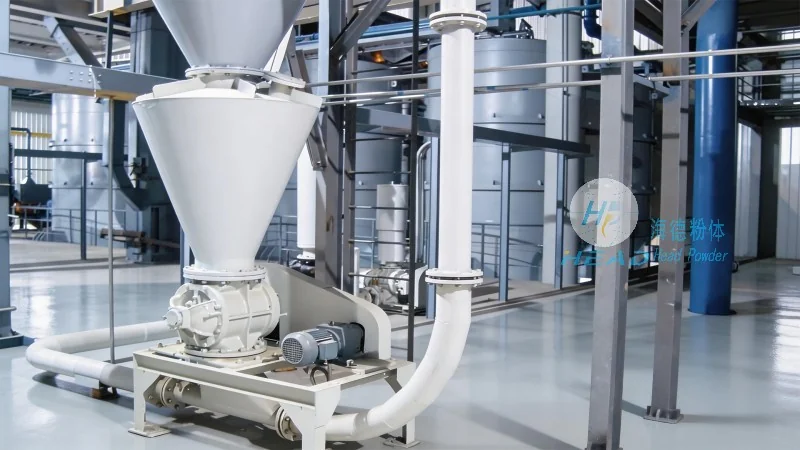
The Working Principle of Aerodynamic Transport for Vitrified Microspheres
The core of the aerodynamic transport system lies in the interaction between the microspheres and the air flow. The process typically involves several key steps: first, the microspheres are introduced into a conveying line, often from a hopper or feeder. Then, a fan or blower generates a high-velocity air stream that propels the particles forward. The air flow is carefully controlled to ensure that the particles remain suspended and move efficiently without causing excessive wear or damage to the system components. The velocity and pressure of the air are critical parameters that determine the capacity and efficiency of the transport system. By optimizing these parameters, the system can achieve high throughput while maintaining low energy consumption and minimal particle degradation.
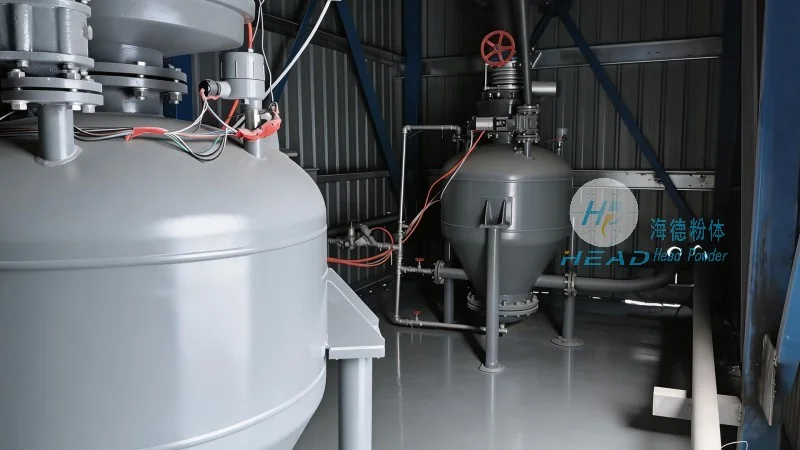
Key Characteristics of Aerodynamic Transport Systems
Several distinct characteristics define the performance of aerodynamic transport systems for vitrified microspheres. One of the most notable is the ability to handle fine, lightweight particles without the need for mechanical components that might cause clogging or wear. The system’s design allows for flexible configurations, including horizontal, vertical, and inclined lines, making it adaptable to various industrial settings. Additionally, the process is relatively clean and dust-free compared to traditional mechanical conveying methods, which reduces the risk of contamination and improves workplace safety. Another important characteristic is the system’s energy efficiency, as it minimizes friction and resistance compared to other transport methods. This results in lower operational costs and a smaller environmental footprint. The reliability of the system is also enhanced by the use of robust materials and advanced control systems, ensuring consistent performance over long periods.
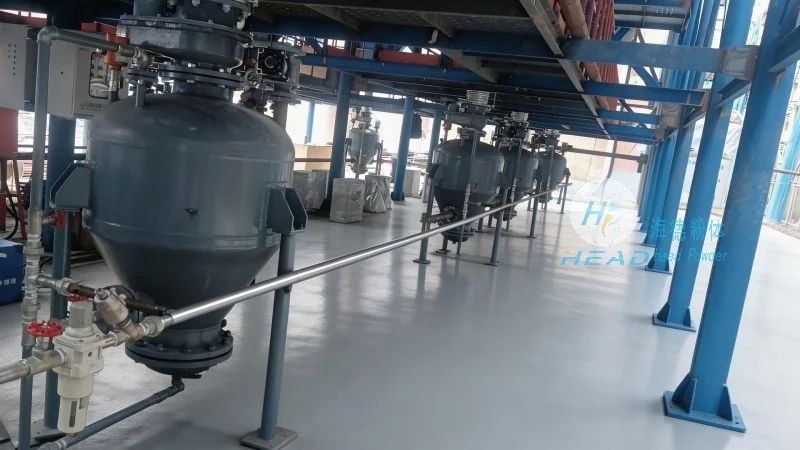
Applications and Benefits in Industrial Settings
The aerodynamic transport of vitrified microspheres finds wide application in various industries, including construction, insulation manufacturing, and chemical processing. In construction, the system is used to transport insulation materials to job sites, improving efficiency and reducing labor costs. In insulation manufacturing, it facilitates the movement of raw materials between processing stages, enhancing production throughput. The benefits of this technology extend beyond operational efficiency; it also contributes to improved safety by reducing manual handling of materials and minimizing dust exposure. Furthermore, the system’s adaptability allows it to be integrated into existing production lines with minimal disruption, making it a cost-effective solution for businesses looking to upgrade their material handling capabilities.
Conclusion
HeadPowder’s expertise in aerodynamic transport systems for vitrified microspheres demonstrates the company’s commitment to providing innovative and reliable solutions for material handling challenges. By understanding the working principles and characteristics of these systems, businesses can make informed decisions about implementing efficient and sustainable transport solutions. With its headquarters in Shandong, China, HeadPowder continues to lead the industry in developing advanced material transport technologies that meet the evolving needs of modern industry.