

Working Principle and Features of Pulse Pneumatic Conveying Lines
HeadPowder, a leading provider of industrial conveying solutions, specializes in advanced pneumatic conveying systems. Based in Shandong, China, the company has established itself as a trusted partner for businesses seeking efficient material handling technologies. This article delves into the working principle and key features of pulse pneumatic conveying lines, offering insights into how these systems operate and their benefits in industrial applications.
Understanding the Working Principle of Pulse Pneumatic Conveying Lines
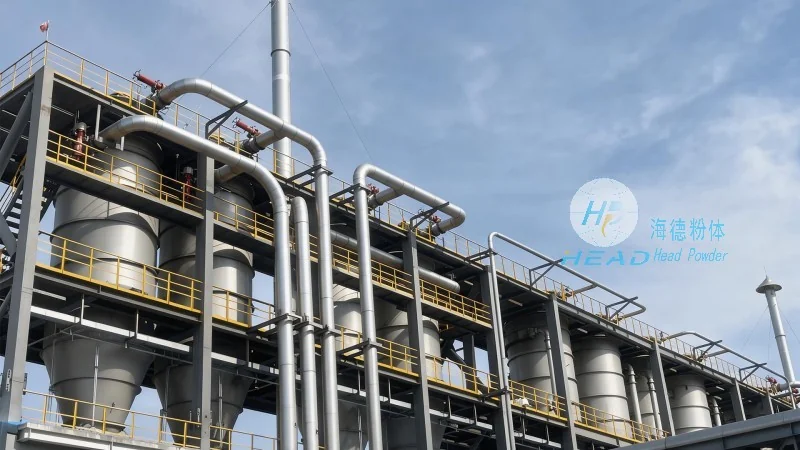
Pulse pneumatic conveying lines operate on the principle of using compressed air to transport bulk materials through a pipeline. Unlike traditional continuous airflow systems, pulse conveying employs intermittent bursts of high-pressure air to create a dynamic flow of material. The process begins with the material being fed into the inlet hopper, where it is drawn into the pipeline by the pressure differential created by the pulse. As the compressed air pulses through the line, it creates a series of pressure waves that propel the material forward, ensuring consistent and reliable transport. The system typically includes a pulse generator, which controls the timing and intensity of the air pulses, and a filter system to remove dust and particles from the exhaust air. This method allows for the efficient transport of a wide range of materials, from powders and granules to small particles, over long distances with minimal loss and contamination.
Key Features of Pulse Pneumatic Conveying Systems
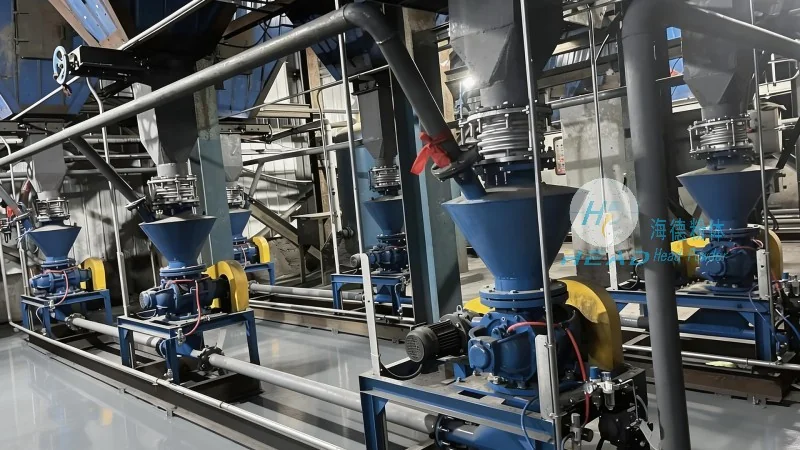
HeadPowder's pulse pneumatic conveying lines are designed with several distinctive features that enhance their performance and versatility. One of the primary advantages is the ability to handle a variety of materials, including sensitive powders that are prone to agglomeration or degradation. The intermittent air pulses prevent material buildup and ensure uniform flow, reducing the risk of clogging and improving overall system efficiency. Another key feature is the low maintenance requirement, as the system uses fewer moving parts compared to mechanical conveyors, resulting in lower operational costs and longer service life. The compact design of the conveying lines also makes them suitable for installation in confined spaces, while the modular construction allows for easy expansion or integration with existing production lines. Additionally, the system offers high transport capacity, capable of moving large volumes of material at high speeds, making it ideal for high-throughput industrial applications. The environmental benefits are also notable, as the enclosed pipeline design minimizes dust emissions and ensures compliance with environmental regulations. Overall, the pulse pneumatic conveying system combines efficiency, reliability, and flexibility, making it a preferred choice for modern material handling needs.
Applications and Benefits in Industrial Settings
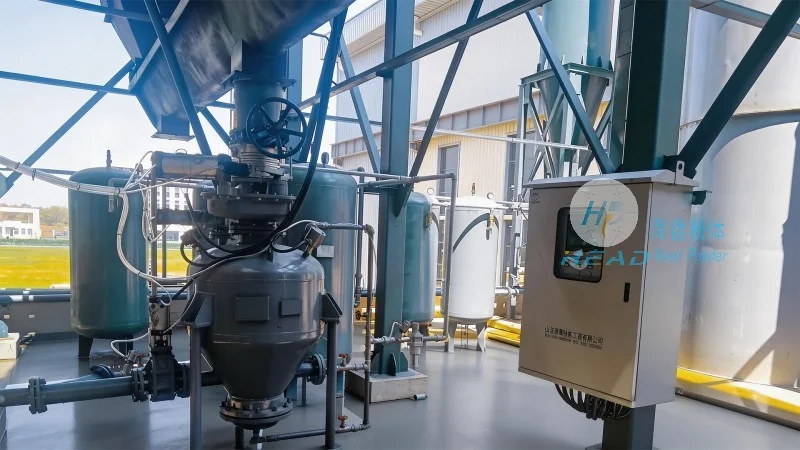
The versatility of pulse pneumatic conveying systems makes them suitable for a wide range of industrial applications. In the food and pharmaceutical industries, where product purity and hygiene are critical, these systems provide a clean and enclosed transport method that prevents contamination and maintains product integrity. In the chemical and petrochemical sectors, the ability to handle abrasive and corrosive materials is essential, and pulse conveying offers a durable and reliable solution. The system is also widely used in the mining and minerals industry for transporting raw materials from processing plants to storage facilities. The benefits of using pulse pneumatic conveying extend beyond material transport, as it can improve production efficiency by reducing downtime and increasing throughput. By minimizing material loss and improving process control, these systems contribute to cost savings and enhanced operational performance. Furthermore, the energy efficiency of pulse conveying, with its optimized air usage and reduced energy consumption, aligns with sustainability goals in industrial operations. HeadPowder's commitment to quality and innovation ensures that their pulse pneumatic conveying lines meet the specific needs of various industries, providing customized solutions that enhance productivity and operational excellence.
Conclusion and Company Overview
HeadPowder Engineering Co., Ltd., based in Shandong, China, continues to lead the development of advanced pneumatic conveying technologies. The company's pulse pneumatic conveying lines exemplify the integration of efficient design, robust construction, and innovative features that address the evolving needs of industrial material handling. By understanding the working principle and leveraging the key features of these systems, businesses can achieve improved efficiency, reduced costs, and enhanced product quality. HeadPowder remains dedicated to providing reliable and high-performance conveying solutions that support the growth and success of their clients in diverse industrial sectors.