

Working Principle and Features of Cement Dry Powder Pneumatic Conveying Systems
HeadPowder, a leading manufacturer based in Shandong, China, specializes in the design, manufacturing, and supply of advanced cement dry powder pneumatic conveying systems. These systems are engineered to efficiently transport bulk cement powders over long distances with minimal dust and energy consumption, making them ideal for various industrial applications.
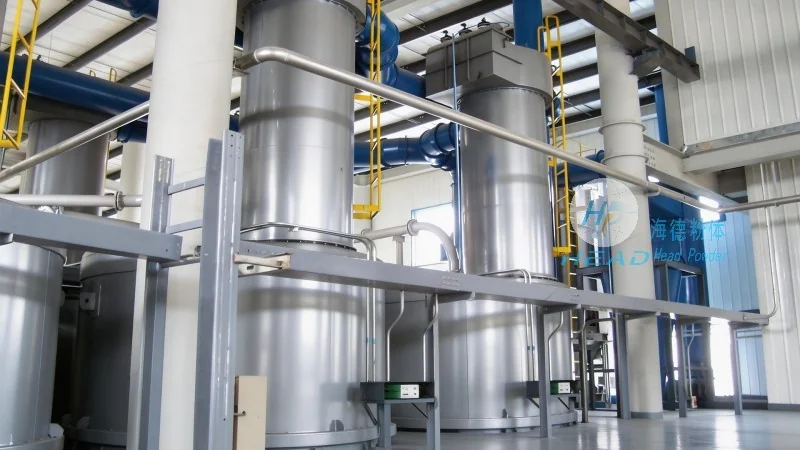
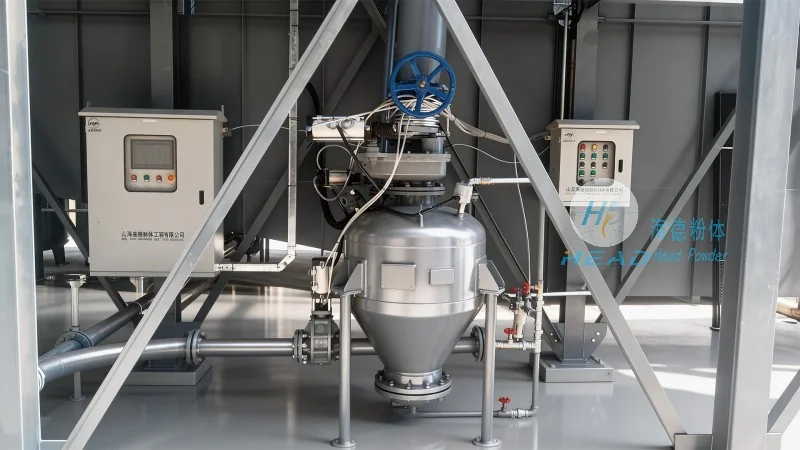
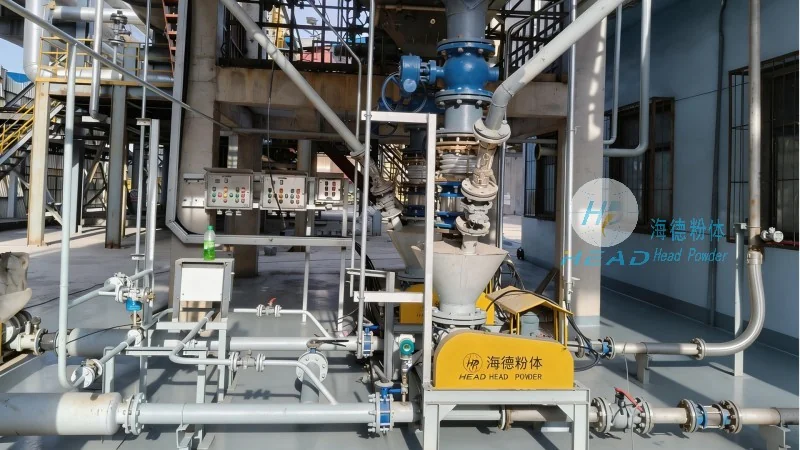
Working Principle of Cement Dry Powder Pneumatic Conveying Systems
The core mechanism of cement dry powder pneumatic conveying systems involves the use of compressed air to transport dry cement powders through a network of pipes. The system typically operates on the principle of pressure or vacuum, depending on the specific design. In a pressure system, a blower or compressor generates high-pressure air that forces the cement powder into the pipeline. The powder is then carried along by the air stream, maintaining a consistent flow rate. In a vacuum system, a vacuum pump creates a negative pressure that draws the cement powder into the pipeline. Both methods ensure that the cement remains in a dry, free-flowing state throughout the conveying process, minimizing the risk of caking or blockages.
Key Features and Advantages of Cement Dry Powder Pneumatic Conveying Systems
Cement dry powder pneumatic conveying systems from HeadPowder are characterized by several notable features that enhance their performance and reliability. Firstly, they offer high conveying efficiency, capable of transporting large volumes of cement powder over extended distances with minimal energy loss. The systems are designed to maintain a consistent flow rate, ensuring stable operation and reducing the need for frequent maintenance. Secondly, these systems are highly effective in controlling dust, which is a critical concern in cement handling operations. Advanced filtration and sealing technologies are integrated into the design to minimize dust emissions, improving workplace safety and environmental compliance. Thirdly, the systems are flexible and adaptable, allowing for easy integration into existing production lines or new facility setups. They can be customized to meet specific operational requirements, such as varying conveying distances, flow rates, or material types. Additionally, the equipment is built with durable materials, such as stainless steel and high-quality plastics, to withstand the corrosive nature of cement and ensure long-term durability. The systems also feature user-friendly controls and monitoring systems, enabling operators to easily adjust settings and monitor performance in real-time. This enhances operational efficiency and reduces downtime.