

Working Principle and Features of Rice Husk Ash Pneumatic Conveying Equipment
For industrial applications dealing with rice husk ash, the choice of an efficient and reliable material handling system is crucial. The pneumatic conveying machine, specifically designed for transporting rice husk ash, offers a solution that combines performance with operational advantages. This article delves into the working principle and key features of such equipment, providing insights into how it operates and why it is a preferred choice in the industry.
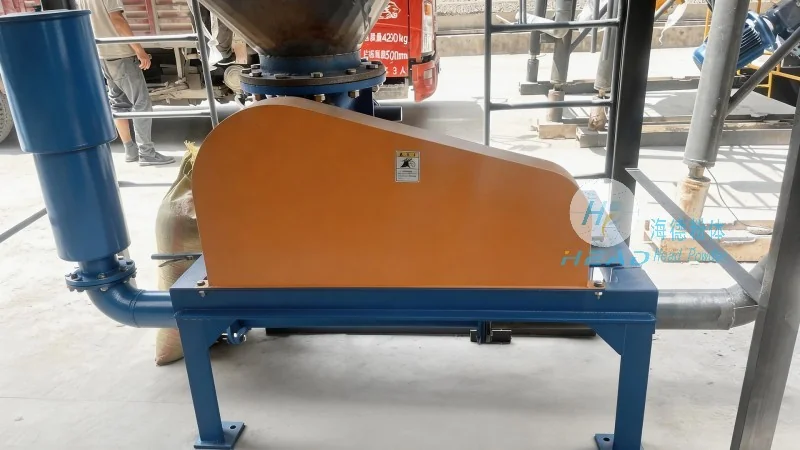
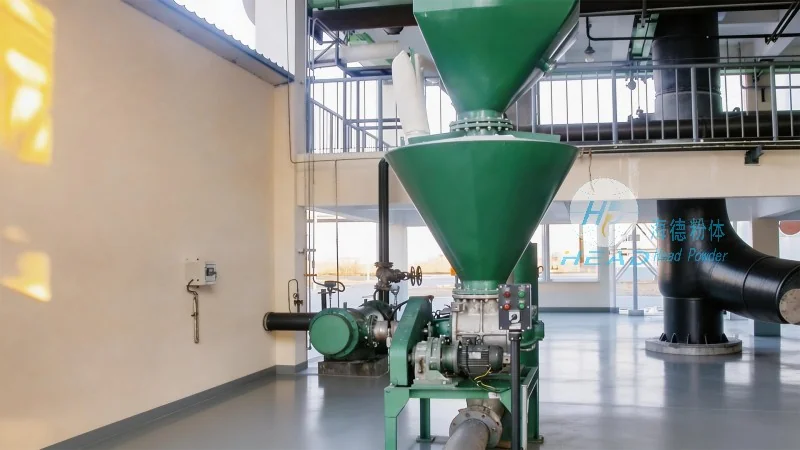
Introduction to Rice Husk Ash Pneumatic Conveying Machines
Rice husk ash, a byproduct of rice processing, presents unique challenges in terms of handling due to its fine particle size and potential for dust generation. Traditional methods like belt conveyors or bucket elevators may struggle with these characteristics, leading to inefficiencies and increased maintenance costs. The pneumatic conveying system addresses these issues by utilizing air as the conveying medium, enabling the transport of fine, dusty materials like rice husk ash over long distances with minimal loss and contamination.
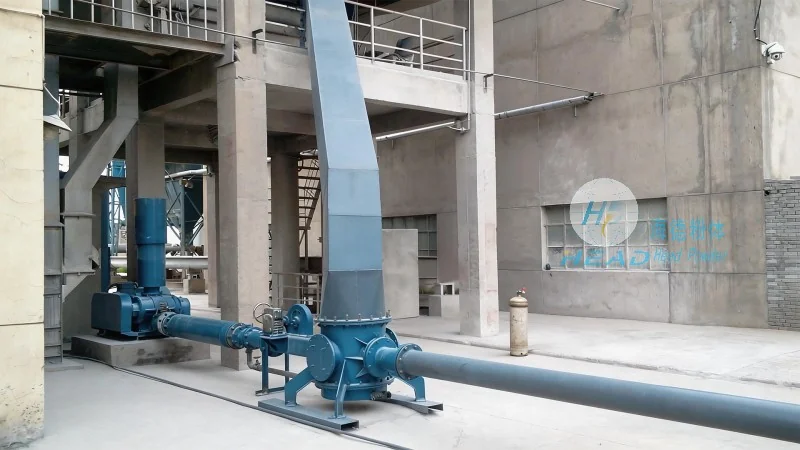
The Working Principle of Rice Husk Ash Pneumatic Conveying Equipment
The core of a rice husk ash pneumatic conveying machine lies in its ability to generate and control airflow to move the material. The process typically involves several key components: a hopper for material storage, a blower or compressor to generate the air flow, a pipeline system to direct the material, and a receiver or discharge point for the conveyed material. The operation begins when the rice husk ash is fed into the hopper. The blower then starts, creating a low-pressure or high-pressure air stream within the pipeline. As the air flows through the pipeline, it picks up the rice husk ash particles from the hopper and transports them to the discharge point. The air and material mixture travels through the pipeline, with the air velocity maintained at a level sufficient to keep the particles suspended and prevent settling. At the discharge point, a separator or cyclone may be used to separate the air from the material, allowing the rice husk ash to be collected in a designated container. The air is then either filtered and released back into the environment or recirculated through the system, depending on the design of the equipment.
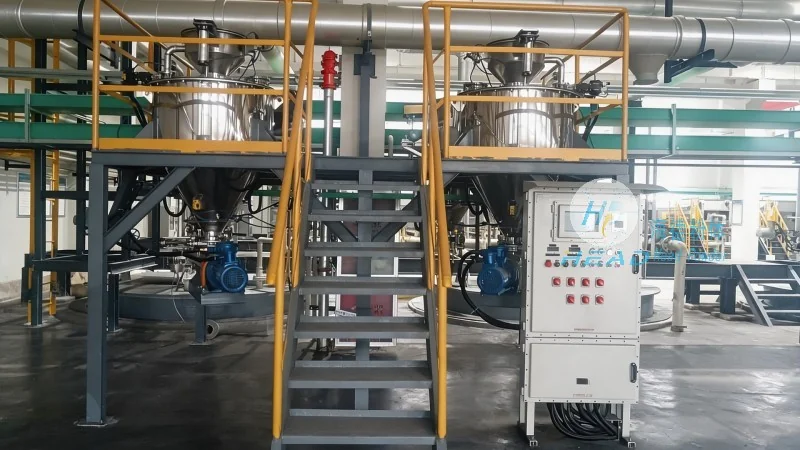
Key Features of Rice Husk Ash Pneumatic Conveying Machines
Several features make rice husk ash pneumatic conveying machines an attractive option for industrial applications. Firstly, the system is highly efficient in terms of material transport, as it can move large volumes of fine material over long distances with minimal energy consumption compared to other methods. The use of air as the conveying medium reduces the need for mechanical components like belts or chains, which are prone to wear and tear in dusty environments. This leads to lower maintenance costs and longer service life. Secondly, the equipment is designed to handle the unique properties of rice husk ash, such as its fine particle size and potential for dust generation. The system includes features like dust collection and filtration to ensure compliance with environmental regulations and to maintain a clean working environment. Thirdly, the pneumatic conveying machine offers flexibility in terms of layout and installation. It can be configured to handle different material flow rates and distances, making it suitable for various industrial settings. Additionally, the system is relatively compact compared to other material handling equipment, saving space in the facility. Finally, the equipment is designed for durability and reliability, with robust construction and components that can withstand the harsh conditions associated with handling rice husk ash.