

Working Principle and Features of Polyethylene Pneumatic Conveying System Equipment
Shandong HeadPowder Engineering Co., Ltd., a leading provider in the field, specializes in advanced pneumatic conveying solutions tailored for polyethylene handling. This article explores the fundamental working principles and key characteristics of polyethylene pneumatic conveying systems, offering insights into their operational efficiency and design advantages.
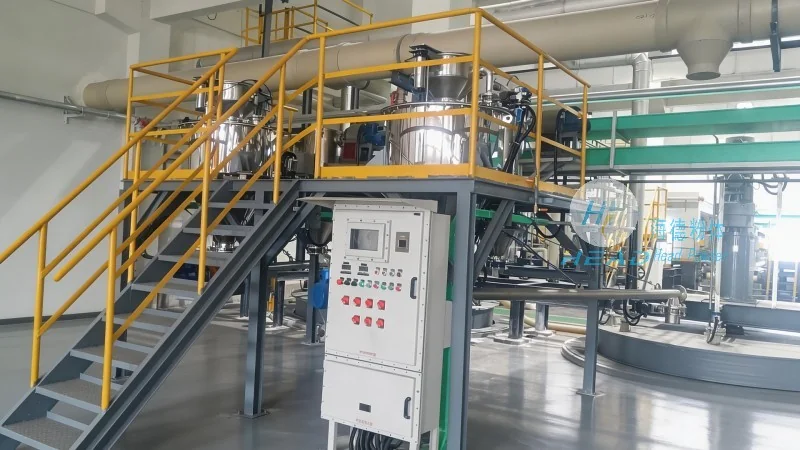
Company Overview
HeadPowder, headquartered in Shandong, China, is dedicated to delivering high-quality engineering solutions for material handling. With years of expertise, the company focuses on developing innovative systems that meet the demands of modern industrial applications, particularly in the polyethylene sector. Their commitment to precision and reliability ensures that clients receive equipment that optimizes production processes and enhances overall operational performance.
What is a Pneumatic Conveying System?
A pneumatic conveying system is a method of transporting bulk materials, such as polyethylene pellets or powders, using air or gas as the conveying medium. Unlike traditional mechanical systems like conveyors or elevators, pneumatic systems utilize the force of compressed air to move materials through a pipeline network. This approach offers several advantages, including flexibility in layout, reduced space requirements, and the ability to handle materials that are difficult to transport via conventional means.
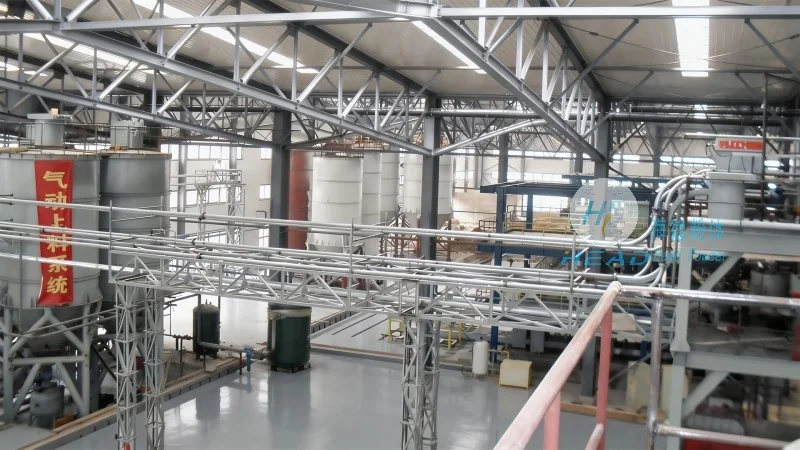
Working Principle of Polyethylene Pneumatic Conveying
The operation of a polyethylene pneumatic conveying system typically involves the following steps: first, the polyethylene material is fed into a hopper or feeder, where it is then introduced into a pipeline. Compressed air is then introduced into the system, creating a flow that carries the polyethylene particles through the pipeline. The system may employ either positive pressure (where air is pushed through the pipeline) or negative pressure (where air is drawn out, creating a vacuum), depending on the specific application and material characteristics. The air-polyethylene mixture travels through the pipeline to the destination point, where it is separated from the air and discharged. The separation process often involves cyclones, filters, or other dedusting equipment to ensure that the polyethylene is delivered in a clean, dry state.
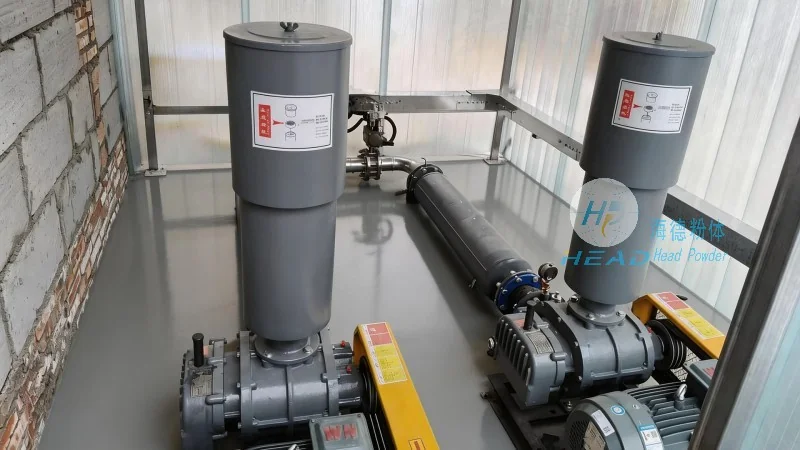
Key Features and Advantages
Polyethylene pneumatic conveying systems offer several notable features that make them ideal for industrial applications. One of the primary advantages is their high efficiency in material transport, as they can move large quantities of polyethylene over long distances with minimal energy consumption. The systems are also highly flexible, allowing for easy integration into existing production lines or facility layouts. Additionally, pneumatic conveying is a clean and hygienic method, as it eliminates the need for direct contact between the material and machinery, reducing the risk of contamination and improving product quality. Another key feature is the ability to handle a wide range of polyethylene forms, including pellets, powders, and granules, without causing degradation or damage to the material. The systems are also relatively low maintenance, with fewer moving parts compared to mechanical conveyors, which reduces downtime and operational costs.
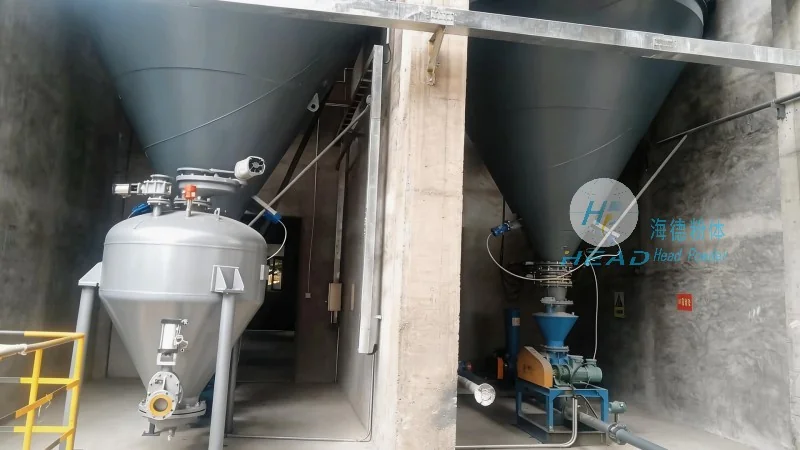
Applications in the Polyethylene Industry
Polyethylene pneumatic conveying systems are widely used in various industrial processes within the polyethylene sector. These include material transfer from storage silos to processing equipment, such as extruders or reactors, as well as between different stages of production, such as from drying units to pelletizing machines. The systems are also employed in recycling operations, where polyethylene waste is conveyed to reprocessing facilities. Their ability to handle both dry and wet polyethylene materials makes them versatile for a range of applications, from manufacturing to waste management.
Conclusion
Shandong HeadPowder Engineering Co., Ltd. provides advanced polyethylene pneumatic conveying systems that leverage the principles of efficient material transport through air. By understanding the working principles and key features of these systems, industries can optimize their operations, enhance productivity, and ensure the quality of polyethylene products. The company's expertise in engineering and design ensures that clients receive tailored solutions that meet their specific needs, contributing to improved performance and reliability in polyethylene handling processes.