

Working Principle and Features of Industrial Alkali Pneumatic Conveying System Equipment
Industrial alkali pneumatic conveying systems are essential equipment in various industrial processes, particularly in the handling and transportation of alkaline materials. This article will delve into the working principle and key features of such systems, providing a comprehensive understanding for potential users and industry professionals.
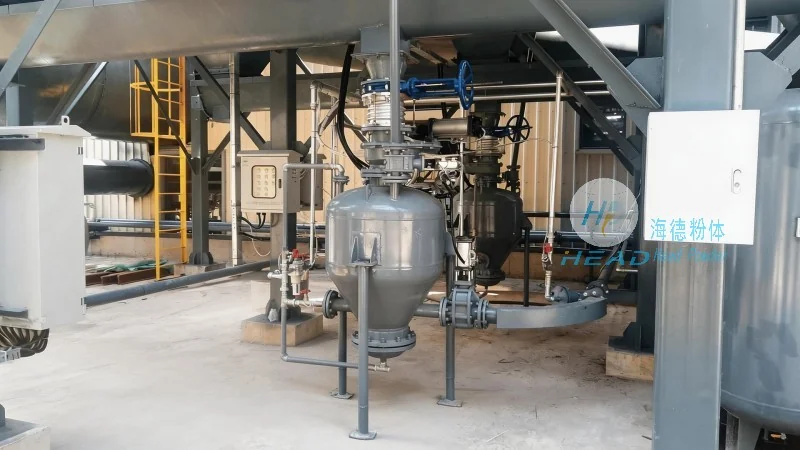
Introduction to Industrial Alkali Pneumatic Conveying Systems
Shandong HeadPowder Engineering Co., Ltd., a leading manufacturer in the field, specializes in the design, development, and production of advanced pneumatic conveying solutions. With a strong commitment to quality and innovation, the company has established itself as a trusted provider of industrial equipment for the chemical, food, and pharmaceutical sectors. Based in Shandong, China, HeadPowder leverages its extensive experience and technical expertise to deliver reliable and efficient conveying systems tailored to meet diverse industrial needs.
The Working Principle of Industrial Alkali Pneumatic Conveying Systems
The core of an industrial alkali pneumatic conveying system lies in its ability to transport bulk materials through a pressurized or vacuum air stream. The system typically operates by using a blower or compressor to generate airflow, which then carries the alkali material from the source to the destination. The process involves several key components, including a hopper for material storage, a feeder to control the flow rate, a conveying line to transport the material, and a receiver to collect the material at the end of the line. The working principle can be categorized into two main types: pressure conveying and vacuum conveying.
Pressure conveying systems use positive pressure to push the material through the pipeline. The blower creates a high-pressure air stream that moves the material from the hopper to the receiver. This method is suitable for long-distance and high-capacity transportation, as it can maintain a consistent flow rate and prevent material degradation. On the other hand, vacuum conveying systems use negative pressure to draw the material into the pipeline. The vacuum pump creates a low-pressure environment that pulls the material from the source to the destination. This approach is ideal for handling fine or dusty materials, as it minimizes dust emissions and reduces the risk of material contamination.
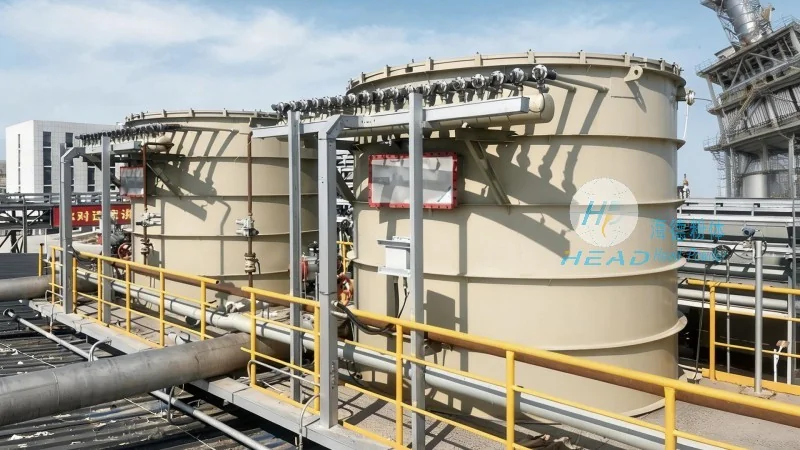
Key Features of Industrial Alkali Pneumatic Conveying Systems
Industrial alkali pneumatic conveying systems offer several advantages that make them a preferred choice over traditional methods like belt conveyors or bucket elevators. One of the primary features is the ability to handle a wide range of material types, including powders, granules, and bulk solids. The system's flexibility allows for the transportation of various alkaline materials such as caustic soda, sodium hydroxide, and other chemical compounds. Another significant feature is the hygienic design, which is crucial in industries like food and pharmaceuticals where material purity is paramount. The systems are constructed with smooth, easy-to-clean surfaces and minimal dead zones, ensuring compliance with regulatory standards.
Efficiency and energy savings are also key features of these systems. By using compressed air as the conveying medium, the equipment reduces the need for mechanical components like belts or chains, which can wear out over time and require frequent maintenance. The pneumatic system operates with lower energy consumption compared to traditional methods, leading to cost savings and reduced environmental impact. Additionally, the system's compact design allows for easy integration into existing production lines, minimizing space requirements and installation time.
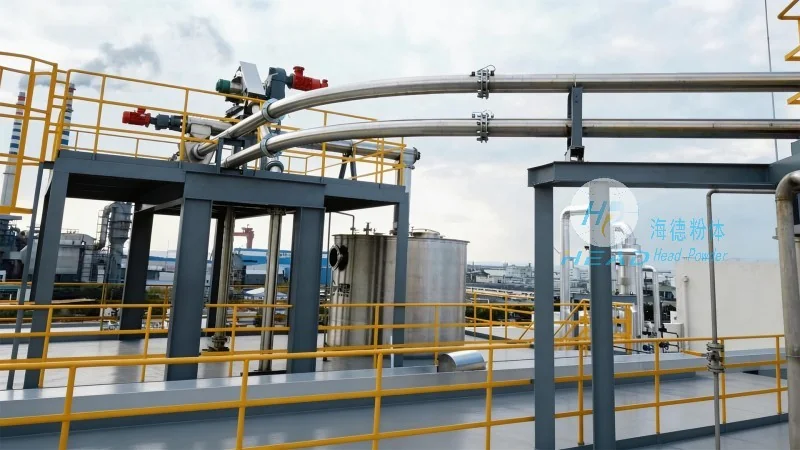
Reliability and durability are other important aspects of industrial alkali pneumatic conveying systems. The components are designed to withstand the corrosive nature of alkaline materials, with materials such as stainless steel and special alloys used in the construction of the hopper, feeder, and pipeline. This ensures long-term performance and reduces the risk of equipment failure. The system also features advanced control systems that monitor pressure, flow rate, and material level, providing real-time feedback and automated adjustments to maintain optimal operation. This level of automation enhances the system's reliability and reduces the need for manual intervention.
Applications and Benefits in Industrial Settings
Industrial alkali pneumatic conveying systems find extensive applications in various industries. In the chemical industry, they are used for the transportation of caustic soda, sodium carbonate, and other chemical reagents, ensuring safe and efficient handling. The food industry utilizes these systems for conveying ingredients like baking soda, sodium bicarbonate, and other food-grade alkaline materials, maintaining product quality and hygiene. The pharmaceutical sector also benefits from the system's ability to handle sensitive materials, such as active pharmaceutical ingredients (APIs) and excipients, with minimal risk of contamination.
The benefits of using industrial alkali pneumatic conveying systems extend beyond material handling. The systems contribute to improved workplace safety by eliminating the need for manual handling of bulk materials, reducing the risk of accidents and exposure to hazardous substances. They also enhance production efficiency by providing a continuous and consistent flow of materials, which can lead to increased output and reduced downtime. Furthermore, the systems help in maintaining a clean and organized production environment, as the enclosed pipeline design prevents dust and material spillage, contributing to better air quality and compliance with environmental regulations.