

Working Principle and Features of Feed Powder Pneumatic Conveying Systems
Shandong HeadPowder Engineering Co., Ltd., a professional manufacturer based in Shandong, China, specializes in the design, production, and supply of advanced feed powder pneumatic conveying systems. The company, operating under the brand name HeadPowder, focuses on delivering efficient and reliable solutions for the transportation of bulk feed powders in various industrial applications.
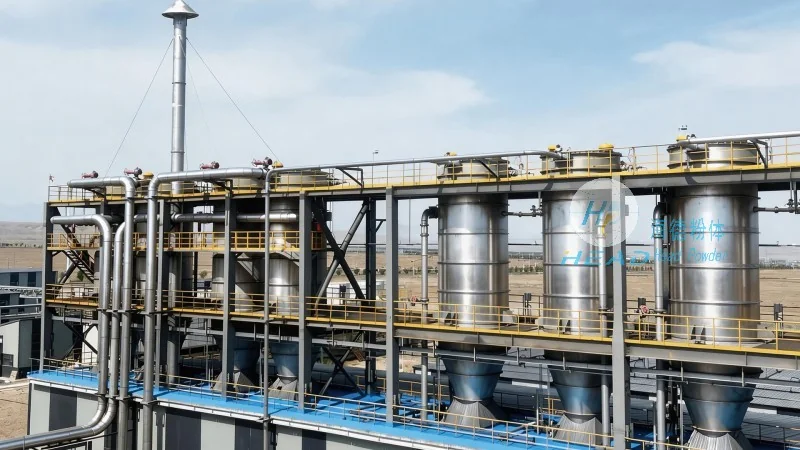
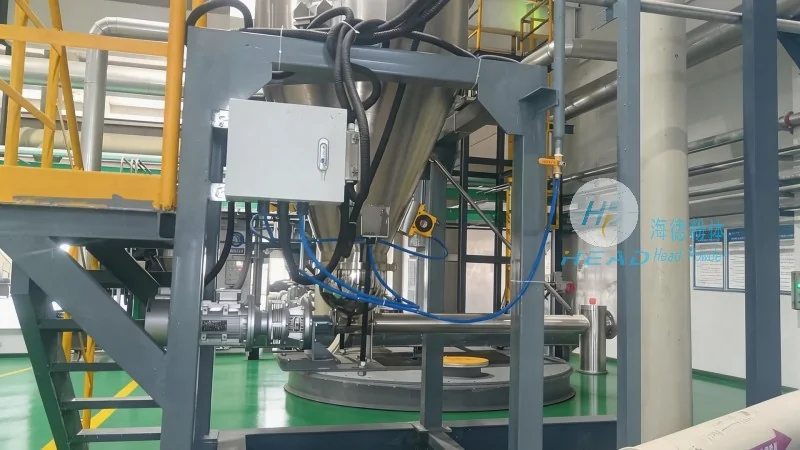
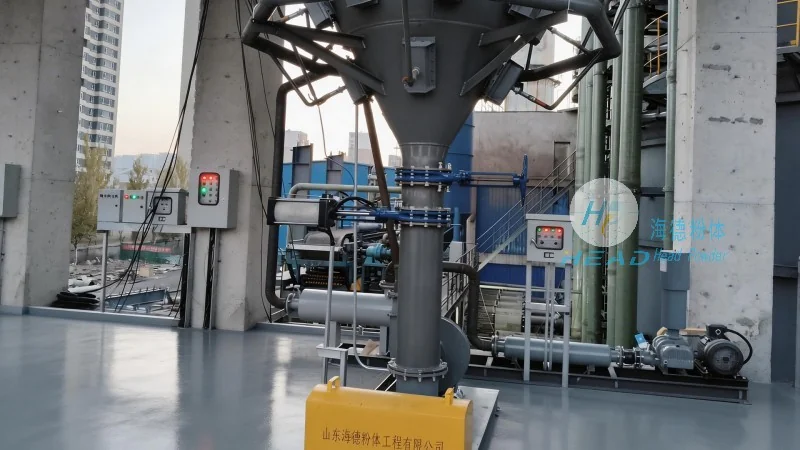
Working Principle of Feed Powder Pneumatic Conveying Systems
Feed powder pneumatic conveying systems operate by utilizing air as the medium to transport bulk feed powders from a source to a destination. The process typically involves a series of components that work in coordination to ensure smooth and efficient material handling. At the core of the system is a blower or compressor that generates the necessary air pressure. This air is then introduced into a pipeline, where it creates a flow that propels the feed powder particles through the system. The feed material is introduced into the pipeline at a feeding point, often through a hopper or a rotary valve, which controls the flow rate and prevents material from clogging the system. The air and powder mixture travels through the pipeline, which may include bends, elbows, and other fittings, to reach the discharge point. At the discharge end, a separator or cyclone is used to separate the air from the powder, allowing the feed to be deposited in the desired location. The air, now separated from the powder, is either recirculated back to the blower or released into the atmosphere, depending on the system design and environmental considerations.
Key Features of Feed Powder Pneumatic Conveying Systems
Feed powder pneumatic conveying systems offer several advantages that make them a preferred choice for many industrial applications. One of the primary features is their ability to handle fine and abrasive feed powders without causing excessive wear or damage to the system components. The enclosed pipeline design prevents dust from escaping into the environment, ensuring compliance with environmental regulations and maintaining a clean working environment. Additionally, these systems are highly flexible, allowing for changes in the layout or expansion of the conveying network without major modifications. The operation of pneumatic conveying systems is relatively simple, with minimal moving parts, which reduces maintenance requirements and increases the overall reliability of the system. Another notable feature is the ability to transport feed powders over long distances with minimal energy consumption compared to other bulk material handling methods. The systems also provide consistent and controlled flow rates, which is crucial for maintaining the quality and uniformity of the feed material. Furthermore, the use of air as the conveying medium allows for the integration of multiple feeding and discharge points, enabling the system to serve multiple processes or storage areas simultaneously.