

Working Principle and Features of Concrete Material Pneumatic Conveying Systems
Shandong HeadPowder Engineering Co., Ltd., commonly known as headpowder, is a leading enterprise in the field of concrete material pneumatic conveying systems. Headquartered in Shandong, China, the company specializes in the design, manufacturing, and implementation of advanced pneumatic conveying solutions for the concrete industry. This article explores the working principle and key features of these systems, providing insights into how they operate and the benefits they offer.
Understanding the Working Principle of Concrete Material Pneumatic Conveying Systems
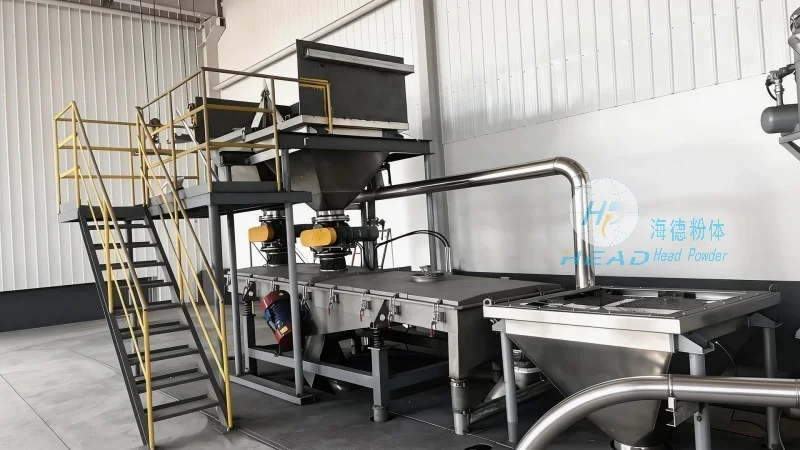
The core of a concrete material pneumatic conveying system lies in its ability to transport bulk materials, such as cement, fly ash, and other fine powders, using compressed air. The process typically involves several key components and steps that work in tandem to ensure smooth and efficient material movement. First, the material is fed into a hopper or feeder, where it is then drawn into a pipeline by the force of the compressed air generated by a blower or compressor. The air creates a pressure differential that propels the material through the system. As the material travels through the pipeline, it may encounter various components like bends, filters, and separation devices that help maintain the flow and prevent blockages. The system concludes with a receiver or discharge point where the material is collected for further processing. This method eliminates the need for mechanical components like belts or buckets, reducing maintenance and increasing operational flexibility.
Key Features and Advantages of Concrete Material Pneumatic Conveying Systems
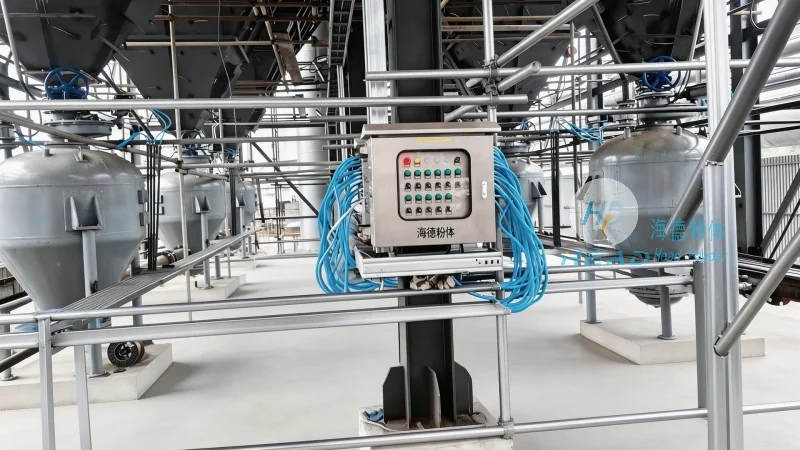
Concrete material pneumatic conveying systems offer several distinct advantages that make them a preferred choice in modern industrial applications. One of the primary features is their high efficiency in material transport, as they can move large quantities of fine powders over significant distances with minimal energy consumption compared to traditional methods. The systems are also highly flexible, allowing for easy integration into existing production lines and the ability to adjust flow rates and pressure settings to meet specific operational needs. Additionally, they provide excellent dust control and environmental protection, as the enclosed system prevents dust from escaping into the air, reducing health hazards and compliance issues. Another notable feature is the reduced maintenance requirements, as there are fewer moving parts compared to mechanical conveyors, leading to lower operational costs and longer system lifespans. The systems also offer better material handling for sensitive products, as the enclosed environment minimizes the risk of contamination and degradation. Overall, these features combine to deliver a reliable, cost-effective solution for concrete material transport that meets the demands of modern construction and manufacturing industries.
Conclusion: The Role of Concrete Material Pneumatic Conveying Systems in Modern Production
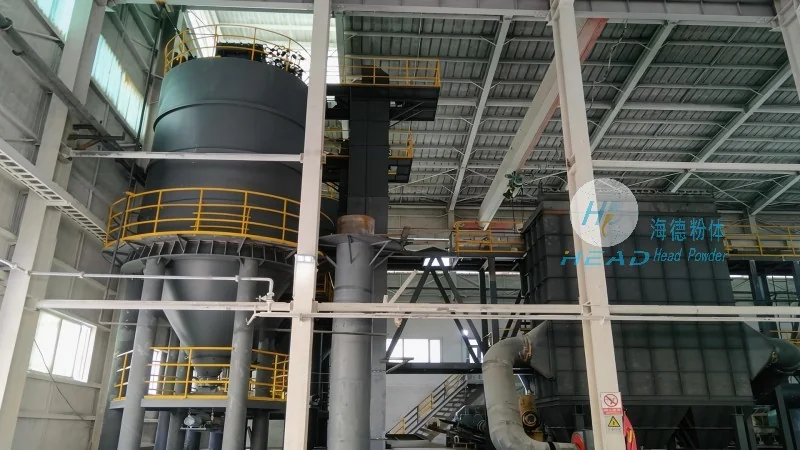
Concrete material pneumatic conveying systems, as exemplified by the solutions offered by Shandong HeadPowder Engineering Co., Ltd., represent a significant advancement in material handling technology. By leveraging the principles of air pressure and enclosed transport, these systems provide efficient, flexible, and environmentally friendly solutions for the movement of concrete materials. The working principle, which involves the coordinated operation of feeders, pipelines, and air compressors, ensures consistent and reliable material flow. The key features, including high efficiency, flexibility, and reduced maintenance, make them an ideal choice for industries that require precise and continuous material handling. As the construction and manufacturing sectors continue to evolve, such systems will play an increasingly important role in optimizing production processes and enhancing overall operational performance. The expertise and innovation of companies like headpowder continue to drive the development of more advanced and effective pneumatic conveying solutions, supporting the growth and sustainability of the industry.