

Working Principle and Features of Cement and Mineral Powder Material Pneumatic Conveying Equipment
HeadPowder, a leading provider of industrial material handling solutions, specializes in the design, manufacturing, and installation of advanced pneumatic conveying systems tailored for the transportation of cement and mineral powders. Based in Shandong, China, the company leverages over two decades of experience to deliver reliable and efficient equipment that meets the stringent demands of modern construction and manufacturing industries.
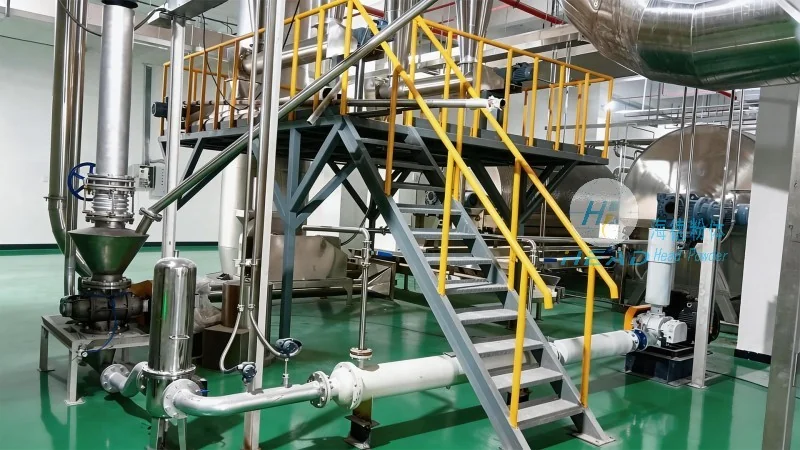
Introduction to Pneumatic Conveying Systems for Cement and Mineral Powders
Pneumatic conveying systems are a critical component in the processing and distribution of cement and mineral powders, offering a non-contact, dust-free method of material transport. These systems utilize air pressure or vacuum to move powders through pipelines, eliminating the need for mechanical components like belts or buckets that are prone to wear and maintenance issues. The technology is widely adopted in cement plants, mining operations, and other industrial settings where the safe and efficient handling of bulk powders is essential.
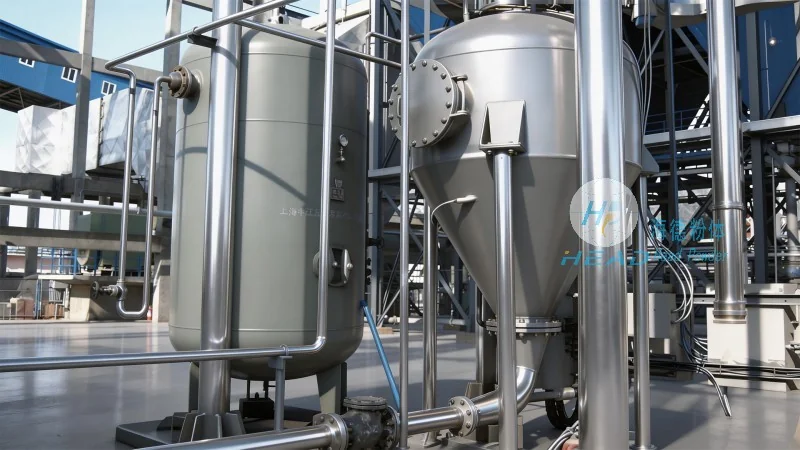
The Working Principle of Cement and Mineral Powder Pneumatic Conveying Equipment
The core mechanism of pneumatic conveying for cement and mineral powders involves the generation of air flow within a pipeline system. The process typically starts with a feeding device that introduces the powder into the conveying line. An air compressor or vacuum pump then creates the necessary pressure or suction to move the material. As the air and powder mixture travels through the pipeline, the velocity and pressure are carefully controlled to ensure stable and continuous transport. The system may include components such as a hopper, a rotary valve, a filter, and a receiver, each playing a vital role in the overall operation. The air flow is designed to maintain the powder in a suspended state, preventing clogging and ensuring smooth movement through the entire conveying path.
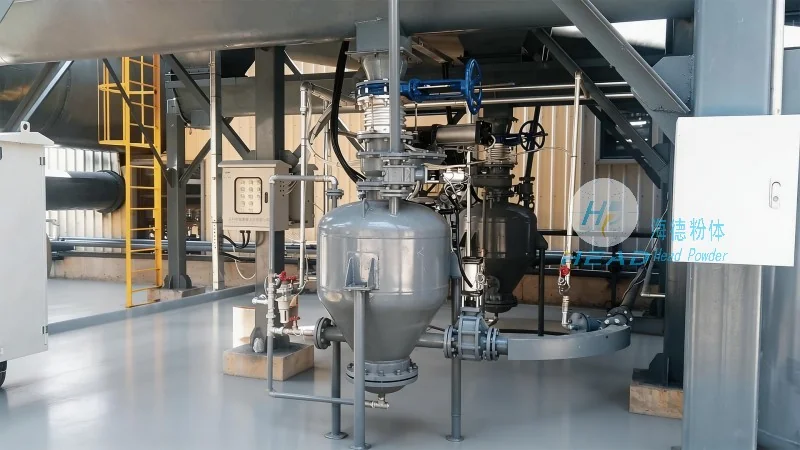
Key Features of Pneumatic Conveying Equipment for Cement and Mineral Powders
Advanced pneumatic conveying systems for cement and mineral powders from HeadPowder are characterized by several distinctive features that enhance performance and reliability. Firstly, the equipment is engineered for high efficiency, minimizing energy consumption while maximizing material throughput. The use of high-quality materials, such as stainless steel and corrosion-resistant alloys, ensures durability and resistance to the abrasive nature of cement and mineral powders. Secondly, the systems are designed with modular components, allowing for easy installation, maintenance, and scalability. This flexibility enables customers to adapt the equipment to changing production needs without significant modifications. Thirdly, the systems incorporate advanced control systems that monitor pressure, flow rate, and material level in real-time, providing operators with precise control and early detection of potential issues. Additionally, the non-contact design eliminates product contamination and reduces the risk of cross-contamination, which is crucial for maintaining product quality in applications like cement production.
Applications and Benefits in Cement and Mineral Processing
Pneumatic conveying equipment from HeadPowder is widely applied in various stages of cement and mineral powder processing. In cement plants, these systems are used for transporting raw materials such as limestone, clay, and iron ore from storage silos to grinding mills. The efficient and dust-free transport helps maintain consistent material quality and reduces downtime caused by material blockages. In mining operations, pneumatic conveyors are employed to move crushed minerals from processing plants to storage facilities or for further processing. The benefits of using pneumatic conveying in these applications include improved safety, reduced labor costs, and enhanced environmental compliance due to the enclosed system that prevents dust emissions. Furthermore, the technology supports seamless integration with existing production lines, minimizing disruptions during installation and operation.
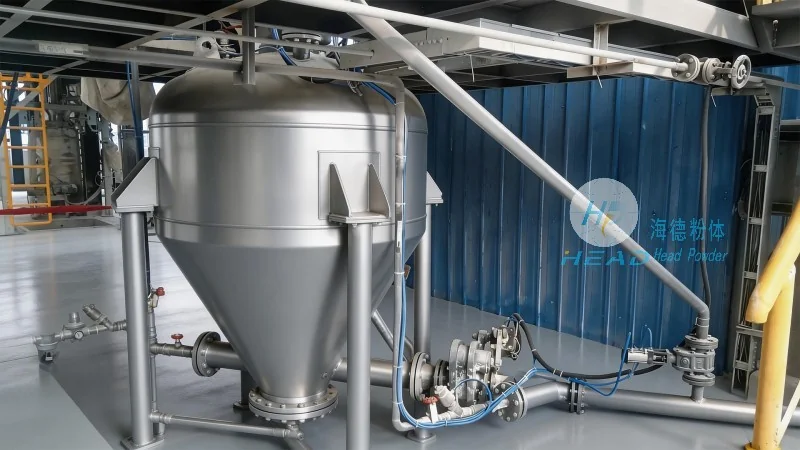
Customization and After-Sales Support from HeadPowder
HeadPowder understands that each industrial application has unique requirements, and therefore, offers comprehensive customization options for its pneumatic conveying equipment. The company works closely with clients to design systems that align with specific production capacities, material characteristics, and operational environments. This includes selecting appropriate air flow rates, pipeline diameters, and component materials based on the properties of the cement or mineral powder being handled. After the equipment is installed, HeadPowder provides comprehensive after-sales support, including regular maintenance services, technical training for operators, and prompt replacement of spare parts. The company’s commitment to quality and customer satisfaction ensures that clients receive long-term solutions that meet their evolving needs in the cement and mineral processing industries.