

Principle and Application Scenarios of Centralized Material Feeding Pneumatic Conveying Lines
Centralized material feeding pneumatic conveying lines represent a sophisticated solution for efficient material handling in various industrial settings. This technology integrates advanced engineering principles to ensure seamless, reliable, and safe transportation of bulk materials from storage to processing points. The following content explores the fundamental principles behind these systems and highlights key application scenarios where their benefits are most pronounced.
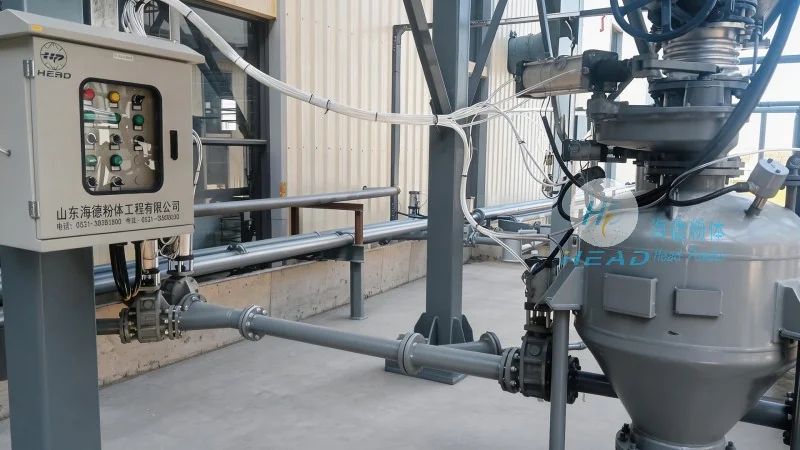
Introduction to Centralized Material Feeding Pneumatic Conveying Systems
HeadPowder, a leading provider of material handling solutions, specializes in designing and manufacturing centralized material feeding pneumatic conveying lines. Based in Shandong, China, the company leverages decades of industry experience to deliver customized systems tailored to diverse operational needs. These systems are engineered to optimize material flow, reduce downtime, and enhance overall productivity in industrial processes.
The Core Principle of Pneumatic Conveying
The fundamental principle of pneumatic conveying involves transporting bulk materials using a stream of air or gas. In centralized feeding systems, this is achieved through a network of pipes, valves, and control mechanisms that work in unison to move materials from a central storage point to multiple processing locations. There are two primary modes of pneumatic conveying: suction (or vacuum) and pressure. Suction systems draw material into the pipeline using a vacuum pump, while pressure systems force material through the line using a positive pressure blower. The choice between these modes depends on factors such as material characteristics, distance, and system complexity.
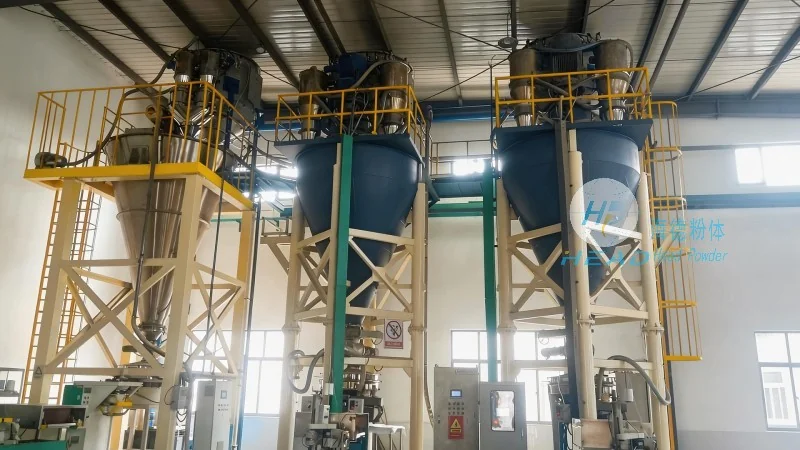
Key Working Scenarios and Application Characteristics
Centralized material feeding pneumatic conveying lines are particularly effective in environments where multiple production lines or processing stations require a consistent and controlled supply of raw materials. The system's ability to deliver materials directly to the point of use minimizes material handling errors and reduces the risk of contamination. In the chemical industry, for example, these systems are used to transport powders and granules from storage silos to reactors, ensuring precise dosing and maintaining product quality. In the food and pharmaceutical sectors, the enclosed nature of the conveying line prevents cross-contamination and meets stringent hygiene standards.
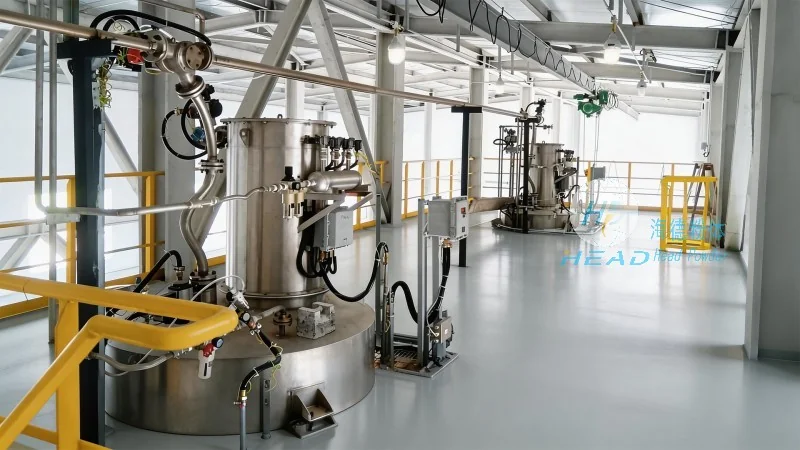
Advantages in Industrial Operations
Implementing centralized material feeding pneumatic conveying lines offers several advantages over traditional methods like belt conveyors or manual handling. These systems provide a flexible and scalable solution that can adapt to changing production demands. They also reduce labor costs by automating the material transport process and minimize material degradation due to reduced exposure to air and moisture. Additionally, the enclosed design of the conveying line enhances safety by containing dust and preventing the release of hazardous materials into the workplace.
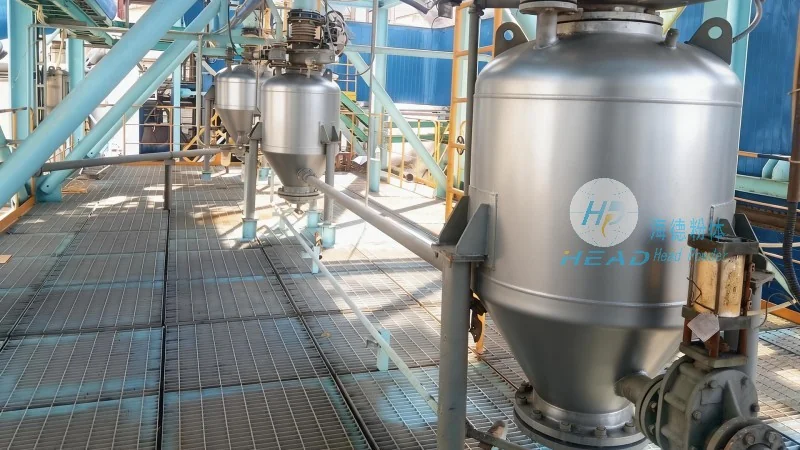
Customization and Integration Capabilities
HeadPowder understands that each industrial facility has unique requirements. Therefore, the company offers comprehensive customization options for centralized material feeding pneumatic conveying lines. This includes selecting the appropriate conveying mode (suction or pressure), determining the optimal pipe diameter and length, and integrating control systems that allow for real-time monitoring and adjustment. The systems can be tailored to handle a wide range of materials, from fine powders to bulk granules, and can be integrated with existing production equipment to ensure smooth operational continuity.
Conclusion
Centralized material feeding pneumatic conveying lines, as exemplified by solutions from HeadPowder, represent a cutting-edge approach to material handling in modern industry. By leveraging the principles of pneumatic transport and integrating advanced control technologies, these systems enhance efficiency, safety, and product quality across various applications. For industries seeking to optimize their material flow processes, such systems provide a reliable and adaptable solution that aligns with contemporary operational standards.