

Principles and Working Scene Characteristics of Pneumatic Conveying Lines for Petrochemical Material
For industries dealing with petrochemical materials, efficient and reliable material handling is crucial. Pneumatic conveying lines represent a sophisticated solution that integrates principles of fluid dynamics and mechanical engineering to transport bulk materials. This article explores the fundamental principles behind these systems and highlights the key working scene characteristics that define their application in the petrochemical sector.
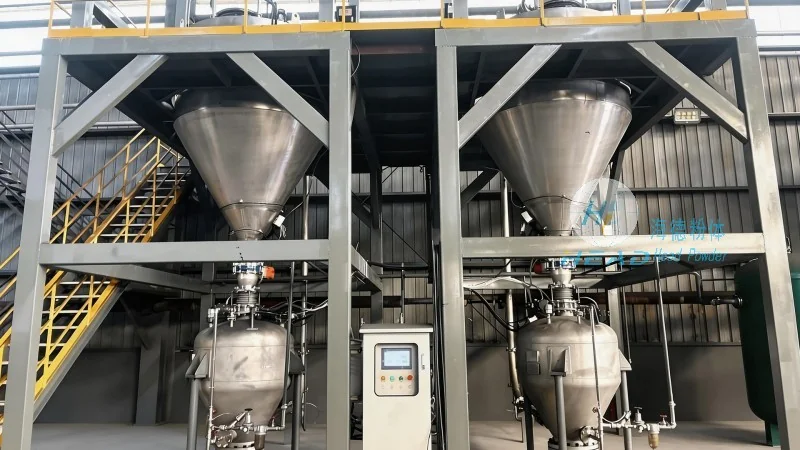
Understanding the Core Principles of Pneumatic Conveying
Pneumatic conveying systems operate by using air or other gases to move solid materials through a pipeline. The core principle involves creating a pressure differential or vacuum to draw or push the material along the conveying line. There are primarily two types of pneumatic conveying: positive pressure and negative pressure systems. Positive pressure systems use compressed air to push material forward, while negative pressure systems create a vacuum to pull material from the source. The choice between these systems depends on factors such as material properties, distance, and the need for containment. In petrochemical applications, these systems are designed to handle materials ranging from fine powders to bulk solids, ensuring minimal product degradation and consistent flow rates.
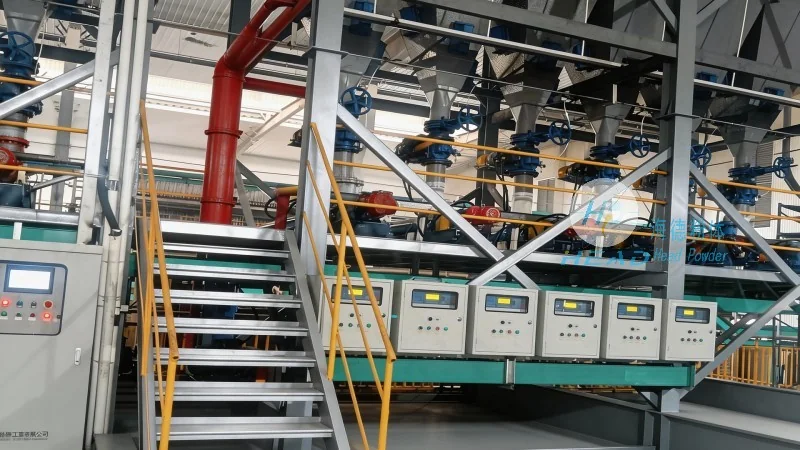
Key Working Scene Characteristics of Petrochemical Pneumatic Conveying Lines
The working scene characteristics of pneumatic conveying lines in petrochemical environments are shaped by several critical factors. First, the materials being transported often have specific handling requirements, such as sensitivity to moisture, temperature, or contamination. The design of the conveying line must account for these factors to maintain product integrity. For instance, materials like polymers or catalysts may require temperature-controlled conveying to prevent degradation. Second, the operational environment in petrochemical plants is typically high-pressure and high-temperature, demanding robust construction materials like stainless steel or special alloys to withstand harsh conditions. Third, the need for safety and compliance with industrial regulations is paramount. Pneumatic conveying systems in this sector are equipped with safety features like explosion-proof designs and emergency shut-off valves to mitigate risks associated with flammable or hazardous materials.
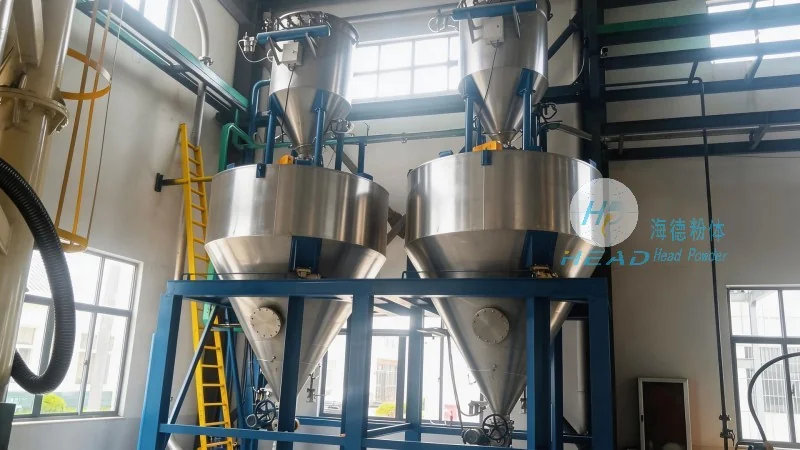
Application Scenarios and Material Handling Capabilities
Pneumatic conveying lines are versatile and find applications across various petrochemical processes. They are commonly used in the transportation of raw materials like limestone, clay, or coal to processing units, as well as in the transfer of finished products such as polymers, resins, or catalysts. The systems are also integral to the handling of byproducts and waste materials, ensuring efficient and safe disposal. In terms of material handling capabilities, these lines can transport materials over long distances with minimal loss, and they can handle varying flow rates and material densities. The flexibility of pneumatic conveying allows for integration with other processing equipment, such as reactors, mixers, and storage tanks, creating a seamless material flow within the plant.
Advantages and Considerations for Petrochemical Operations
Implementing pneumatic conveying lines in petrochemical operations offers several advantages. These systems provide a closed-loop transport, reducing dust emissions and improving workplace safety. They also enable precise control over material flow, which is essential for maintaining consistent product quality. Additionally, the compact design of these lines saves space in industrial facilities, which is particularly valuable in densely built petrochemical plants. However, there are considerations to keep in mind. The initial investment for a pneumatic conveying system can be higher compared to traditional methods like belt conveyors. Maintenance requirements, including regular cleaning of pipelines and air filters, are also necessary to prevent clogging and ensure long-term performance. Furthermore, the system's efficiency depends on the proper selection of air velocity and pipeline diameter, which must be optimized for the specific material being handled.
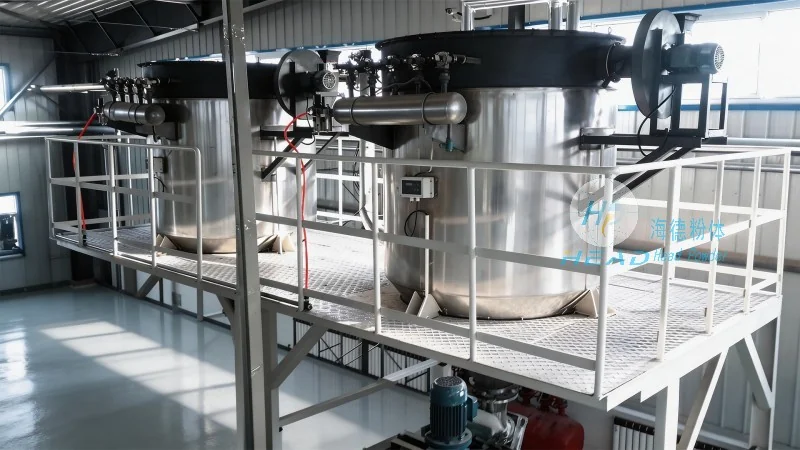
HeadPowder's Expertise in Designing Petrochemical Pneumatic Conveying Solutions
Shandong HeadPowder Engineering Co., Ltd., a leading manufacturer in the field, specializes in providing tailored pneumatic conveying solutions for the petrochemical industry. With a focus on innovation and adherence to industrial standards, HeadPowder designs systems that meet the unique demands of petrochemical applications. The company's expertise lies in understanding the material properties, process requirements, and safety regulations of each client, ensuring that the final solution is both efficient and compliant. HeadPowder's team of engineers collaborates closely with clients to develop customized conveying lines that optimize material handling while minimizing operational costs. The company's facilities in China, located in Shandong, are equipped with advanced technology and quality control measures to deliver reliable and durable systems that enhance the productivity and safety of petrochemical operations.