

Principle and Working Scene Characteristics of Pigment Material Pneumatic Conveying Lines
HeadPowder, a leading engineering company based in Shandong, China, specializes in the design and implementation of advanced pneumatic conveying systems for pigment materials. This article explores the fundamental principles behind these systems and highlights the key characteristics of their operational environments.
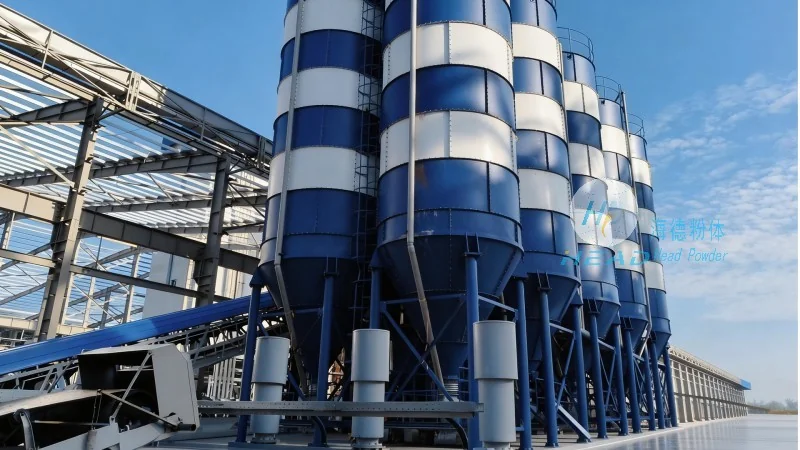
Pigment Material Pneumatic Conveying Line: Core Principles
The pneumatic conveying line for pigment materials operates on the principle of using compressed air or other gas to transport dry powder materials. The system typically consists of a series of components, including a hopper, a feeder, a pipeline, and a receiver. The process begins when the pigment material is fed into the hopper. A feeder then controls the flow of material into the pipeline, where it is carried by the moving air stream. The air-powder mixture travels through the pipeline to the receiver, where the material is separated from the air and collected. The air is then filtered and discharged, completing the cycle. This method offers a continuous, dust-free, and efficient means of transporting pigment materials, which is crucial for maintaining product quality and safety in industrial applications.
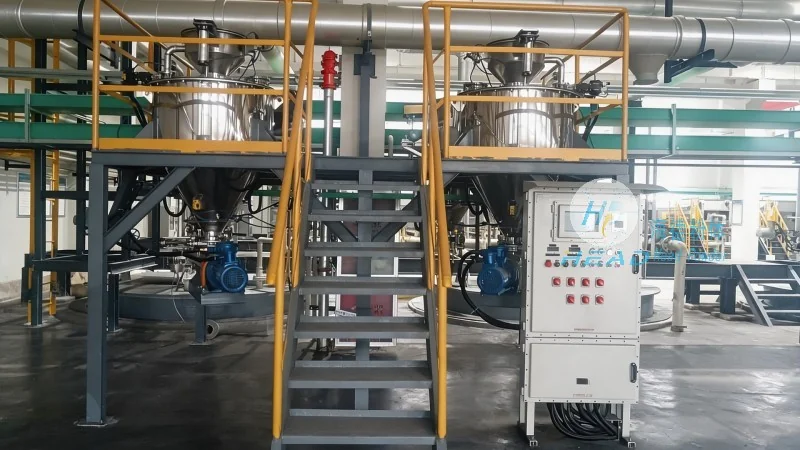
Working Scene Characteristics of Pigment Material Pneumatic Conveying Lines
The operational environment of a pigment material pneumatic conveying line is tailored to meet the specific demands of the industrial processes it serves. These systems are commonly used in settings such as pigment manufacturing plants, where they facilitate the transfer of raw materials and finished products between processing units. The characteristics of these working scenes include high material flow rates, often requiring precise control to avoid clogging or degradation of the pigment particles. Additionally, the systems must be designed to handle the varying properties of different pigment types, such as their density, moisture content, and particle size distribution. The working environment also demands robust construction to withstand the abrasive nature of the materials and the continuous operation required in production lines. Furthermore, the integration of these conveying lines with other industrial equipment, such as mixers, dryers, and packaging machines, is essential for seamless workflow and operational efficiency. The characteristics of the working scene directly influence the design and performance of the pneumatic conveying system, ensuring that it meets the specific requirements of the pigment material handling process.
Key Features and Advantages in Practical Applications
When considering the application of a pigment material pneumatic conveying line, several key features and advantages become evident. The system's ability to transport materials in a closed pipeline prevents dust emissions, which is vital for maintaining a clean and safe working environment. This is particularly important in industries where air quality regulations are stringent. Additionally, the continuous operation of the system reduces downtime and increases overall productivity compared to traditional methods like manual handling or mechanical conveyors. The flexibility of pneumatic conveying allows for easy integration with existing production lines, enabling companies to upgrade their material handling processes without major disruptions. Furthermore, the system's design can be customized to handle a wide range of pigment materials, from fine powders to bulkier granules, making it a versatile solution for various industrial needs. The reliability of these systems, when properly maintained, ensures consistent performance and minimal maintenance costs over their operational lifespan.
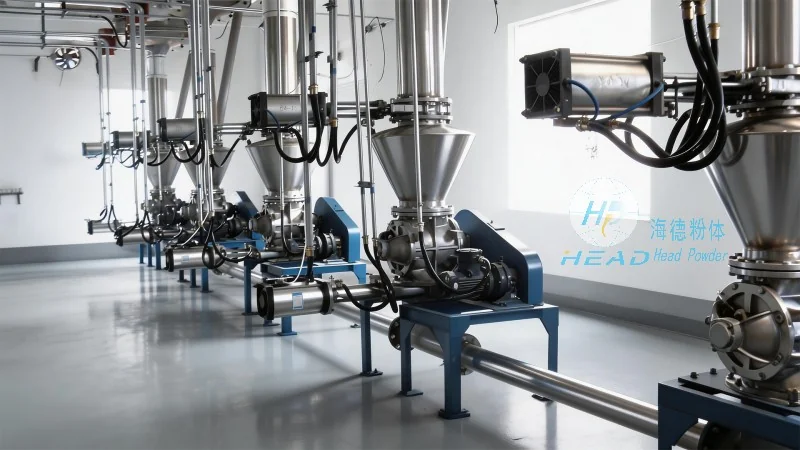
Conclusion: The Role of Advanced Pneumatic Conveying in Pigment Industry
In conclusion, the pneumatic conveying line for pigment materials is a critical component in modern industrial operations, offering an efficient and reliable method for material transport. The principles behind these systems, combined with their adaptability to diverse working environments, make them an essential tool for companies in the pigment industry. By understanding the core principles and operational characteristics of these systems, businesses can optimize their material handling processes, enhance productivity, and maintain high standards of product quality and safety. The expertise of companies like Shandong HeadPowder Engineering Co., Ltd. in designing and implementing such systems ensures that clients receive tailored solutions that meet their specific operational requirements.