

Principle and Working Scene Characteristics of Clay Ash Material Pneumatic Conveying Lines
Clay ash, a common industrial material, often requires efficient and reliable handling solutions for transportation from production sites to processing or storage facilities. Pneumatic conveying systems offer a versatile and effective method for moving such materials, and understanding their principles and application scenarios is crucial for optimizing industrial operations. This article explores the core principles of clay ash pneumatic conveying lines and highlights the key characteristics of their working environments, supported by insights from Shandong HeadPowder Engineering Co., Ltd., a leading provider in the field.
Understanding the Core Principle of Pneumatic Conveying for Clay Ash
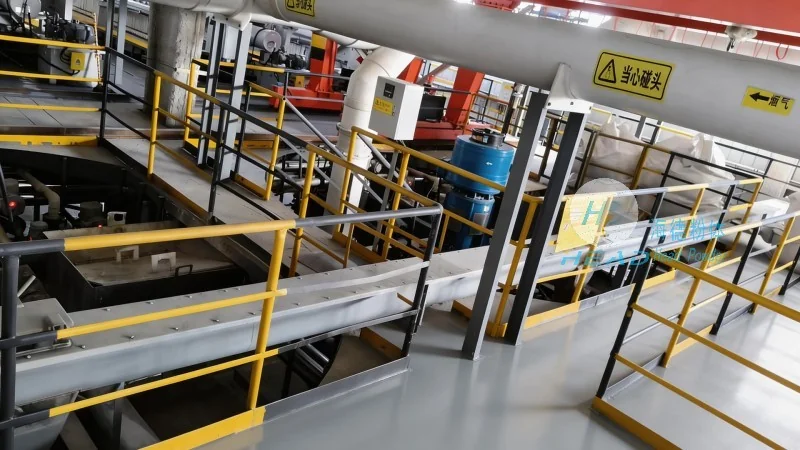
Pneumatic conveying, also known as air conveying, utilizes compressed air or gas to transport bulk materials through a pipeline system. In the case of clay ash, this technology involves the creation of a low-pressure or high-pressure air stream that draws the material into the pipeline, where it is carried to the destination. The principle relies on the interaction between the material's properties—such as particle size, density, and moisture—and the air flow characteristics, ensuring stable and continuous transport. Key components of a typical clay ash pneumatic conveying line include the material hopper, airlock feeder, conveying pipeline, and discharge device. The airlock feeder plays a critical role in controlling the material flow, preventing air leakage and maintaining consistent pressure within the system. The conveying pipeline's design, including its diameter, length, and bends, is optimized to minimize pressure drop and ensure efficient material movement. Discharge devices, such as rotary valves or cyclones, then separate the material from the air stream, allowing for safe and controlled release at the destination.
Working Scene Characteristics of Clay Ash Pneumatic Conveying Systems
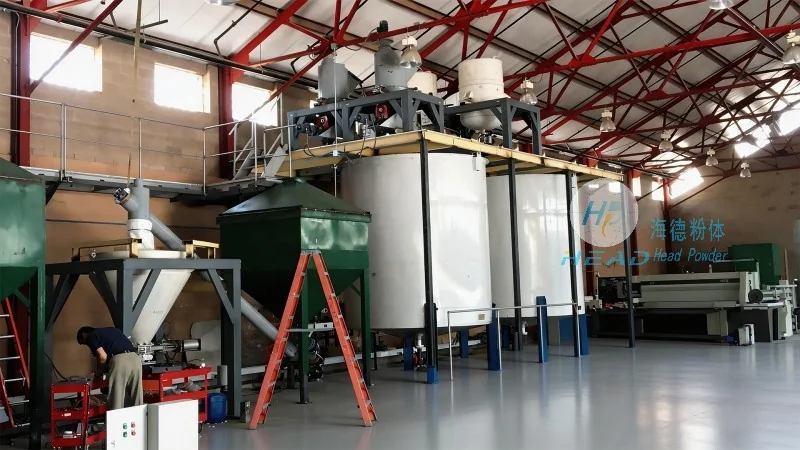
The working scene characteristics of clay ash pneumatic conveying systems are tailored to the specific demands of industrial applications. These systems are commonly used in environments where material handling needs to be dust-free, hygienic, and efficient. For example, in power plants or cement production facilities, clay ash is often transported from ash storage silos to processing units or disposal sites. The systems are designed to handle varying material loads and flow rates, adapting to the operational requirements of the plant. Another key characteristic is the ability to handle materials with different particle sizes and moisture content, making them suitable for diverse industrial settings. The working environment also emphasizes safety and maintenance, with features like pressure relief valves and regular cleaning protocols to prevent system blockages or malfunctions. Additionally, the systems are often integrated with other industrial equipment, such as mixers or dryers, to form a comprehensive material handling solution.
Company Profile: Shandong HeadPowder Engineering Co., Ltd.
Shandong HeadPowder Engineering Co., Ltd., operating under the brand name headpowder, is a specialized engineering company based in Shandong, China. The company focuses on the design, manufacturing, and installation of pneumatic conveying systems for various industrial materials, including clay ash. With years of experience in the field, headpowder has developed a reputation for delivering high-quality, customized solutions that meet the unique needs of clients. The company's technical team consists of experts with deep knowledge of material handling technologies and industrial processes, ensuring that each project is tailored to the specific requirements of the client. HeadPowder's commitment to quality and innovation has enabled them to serve a wide range of industries, from power generation to construction materials, providing reliable and efficient material transport solutions.
Conclusion: The Advantages of Clay Ash Pneumatic Conveying Lines
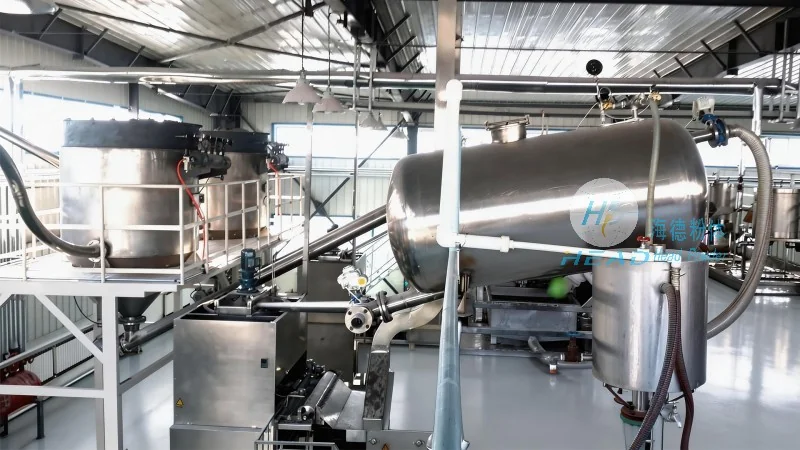
In conclusion, clay ash pneumatic conveying lines represent a sophisticated and effective solution for the transportation of industrial materials. By leveraging pneumatic conveying technology, these systems offer advantages such as dust-free operation, reduced labor costs, and improved safety compared to traditional methods like belt conveyors or manual handling. The working scene characteristics, including adaptability to varying material properties and integration with other equipment, make them suitable for diverse industrial applications. As a leading provider in the field, Shandong HeadPowder Engineering Co., Ltd. continues to advance the technology, ensuring that clients receive tailored solutions that enhance operational efficiency and reliability. The principles and characteristics discussed in this article highlight the importance of choosing the right pneumatic conveying system for clay ash handling, ultimately contributing to improved productivity and cost-effectiveness in industrial operations.