

Principle and Working Scene Characteristics of Copper Sulfate Material Pneumatic Conveying Line
Copper sulfate, a widely used chemical in industrial processes, often requires efficient and reliable material handling solutions for its transportation. Pneumatic conveying lines represent a modern approach to moving such materials, offering advantages in terms of hygiene, speed, and flexibility. This article explores the fundamental principles behind copper sulfate pneumatic conveying systems and highlights the key characteristics of their operational environments.
Core Principles of Pneumatic Conveying for Copper Sulfate
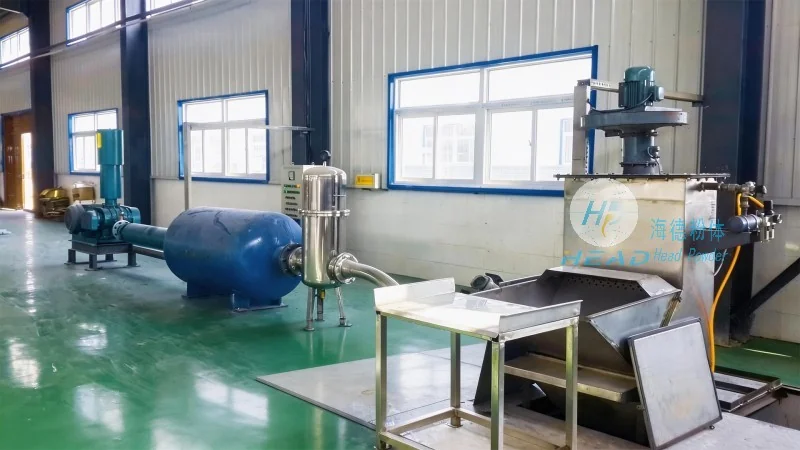
The operation of a copper sulfate pneumatic conveying line is based on the principles of fluid dynamics and particle transport. At its essence, the system uses compressed air or other gases to transport dry bulk materials through a pipeline. The process typically involves a hopper or feeder that feeds the copper sulfate into a venturi or a pressure vessel, where the material is accelerated by the moving air stream. This method ensures that the material is conveyed without direct contact with mechanical components, minimizing contamination and wear. The system’s design, including the choice of air velocity, pipeline diameter, and material feed rate, is critical to achieving optimal performance and preventing issues like blockages or material degradation.
Key Working Scene Characteristics
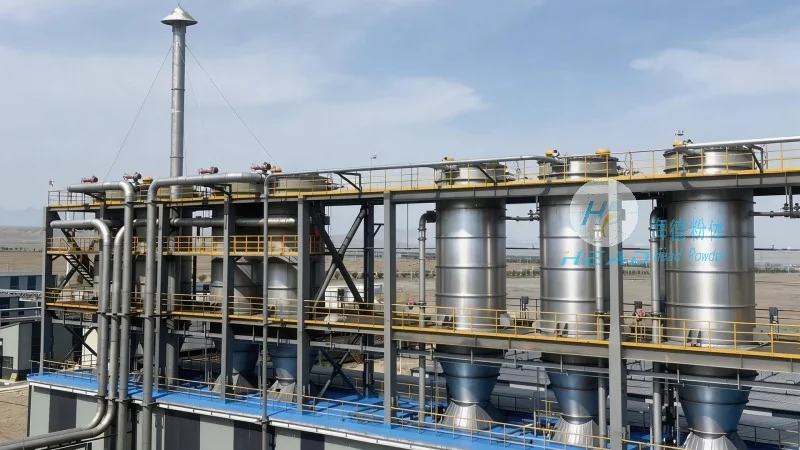
The working environment of a copper sulfate pneumatic conveying line is defined by several factors that influence its effectiveness and safety. First, the material’s properties—such as its density, particle size distribution, and moisture content—play a significant role. Copper sulfate is often a fine powder, which can lead to challenges like dust generation and caking if not handled properly. The conveying system must be designed to manage these characteristics, ensuring consistent flow and preventing system downtime. Second, the operational environment’s scale and layout are crucial. In industrial settings, these lines may need to cover long distances or navigate complex layouts, requiring robust engineering solutions. The system’s ability to integrate with existing infrastructure, such as storage silos or processing units, is also a key consideration. Additionally, safety considerations are paramount, as copper sulfate can be hazardous if inhaled or if it comes into contact with skin. The design must include features like dust collection systems and proper ventilation to mitigate these risks.
Applications and Industry Integration
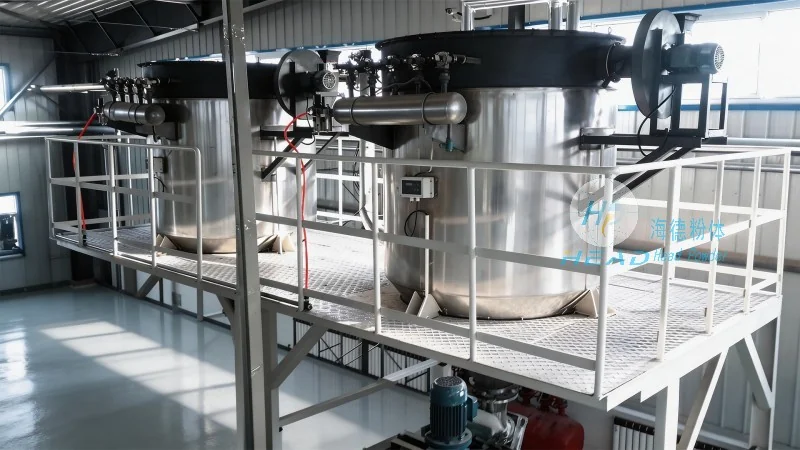
Copper sulfate pneumatic conveying lines find applications across various industries, including agriculture, water treatment, and chemical manufacturing. In agriculture, they are used for the distribution of copper sulfate as a fungicide or fertilizer. In water treatment, the material is employed to control algae growth and maintain water quality. The versatility of these systems allows them to adapt to different operational needs, from small-scale operations to large industrial facilities. The integration of such systems with other processing equipment, like mixers or reactors, enhances overall efficiency and reduces manual handling, which is particularly important in industries where safety and hygiene are critical.
Advantages and Performance Metrics
Compared to traditional conveying methods like belt conveyors or bucket elevators, copper sulfate pneumatic conveying offers several advantages. The primary benefit is the elimination of direct contact between the material and mechanical parts, which reduces contamination and extends equipment life. Additionally, the system is more compact and can be installed in areas with limited space, making it suitable for modern industrial facilities. Performance metrics, such as the conveying capacity (measured in tons per hour) and the distance over which material can be transported, are key indicators of the system’s effectiveness. For copper sulfate, typical conveying capacities range from 1 to 50 tons per hour, depending on the system’s design and the material’s characteristics. The distance can vary from a few meters to several hundred meters, with the ability to handle vertical lifts as well as horizontal transport.
Customization and Engineering Solutions
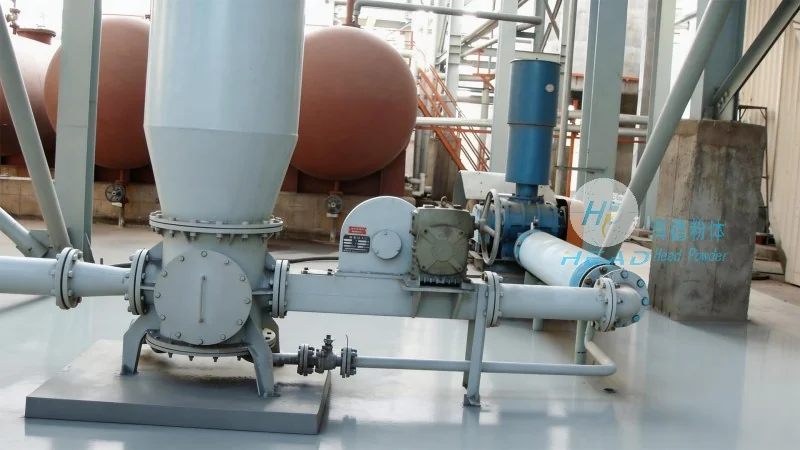
Given the diverse nature of copper sulfate applications, pneumatic conveying systems are often customized to meet specific requirements. Shandong HeadPowder Engineering Co., Ltd., a leading provider in this field, specializes in designing and manufacturing tailored solutions. The company’s expertise lies in understanding the unique challenges of copper sulfate handling, such as dust control and material flow optimization. Their engineering team works closely with clients to assess operational needs, material properties, and site constraints, ensuring that the final system is both efficient and cost-effective. Customization may include adjustments to the air pressure, pipeline diameter, or the addition of features like cyclone separators or filter bags to enhance performance and safety. The company’s commitment to quality and innovation ensures that their systems meet the highest standards in the industry.
Conclusion and Future Outlook
Copper sulfate pneumatic conveying lines represent a sophisticated and efficient solution for material handling in various industrial applications. By leveraging the principles of pneumatic transport, these systems offer advantages in terms of hygiene, speed, and flexibility. The key characteristics of their working environments, including material properties, operational scale, and safety considerations, must be carefully addressed during design and implementation. As industries continue to demand more efficient and sustainable solutions, the role of such systems is likely to expand. Shandong HeadPowder Engineering Co., Ltd. remains at the forefront of this technology, providing customized and reliable solutions that meet the evolving needs of the market.