

Principle and Working Scene Characteristics of Pneumatic Conveying Lines for Sintered Dust Materials
HeadPowder, a leading engineering firm based in Shandong, China, specializes in the design and implementation of advanced pneumatic conveying systems tailored for handling sintered dust materials. This article delves into the fundamental principles behind these systems and highlights the key characteristics of their operational environments.
Introduction to Pneumatic Conveying Systems for Sintered Dust Materials
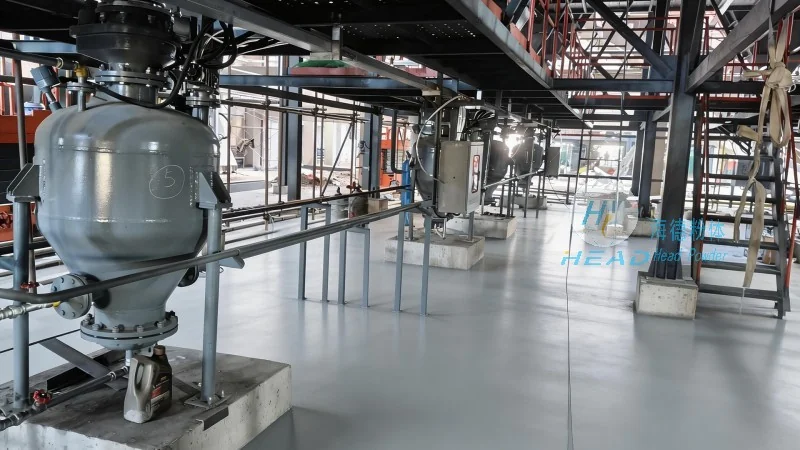
Pneumatic conveying lines are essential for the efficient and safe transportation of sintered dust, a fine particulate material commonly generated in industrial processes such as steel sintering and cement production. These systems utilize air or gas as the conveying medium to move the material through a network of pipes, offering a non-contact, continuous method of material handling that minimizes contamination and reduces labor costs.
Working Principle of Pneumatic Conveying Lines
The core mechanism of a pneumatic conveying line involves the generation of a high-velocity air stream by a powerful fan or blower. This air stream creates a pressure differential that draws the sintered dust particles into the conveying pipe. The material is then suspended and transported along the pipeline to the destination point, such as a storage silo or processing unit. The system can operate under either positive pressure (where air is forced into the system) or negative pressure (where air is drawn out), depending on the specific application requirements and material characteristics.
Key Components and Their Functions
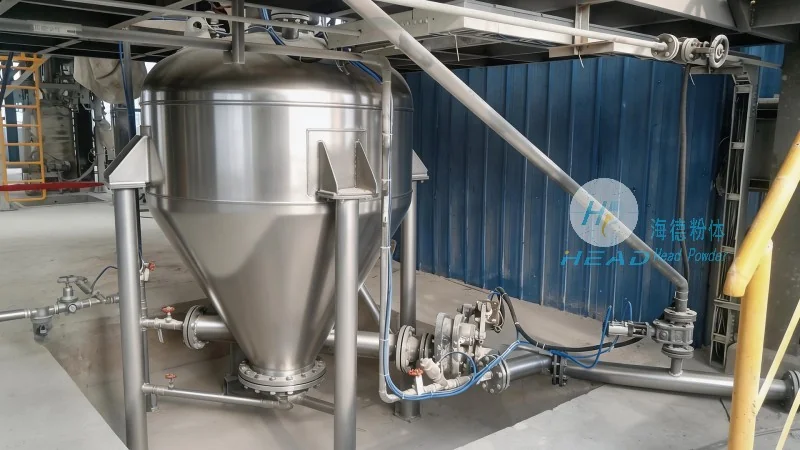
Several critical components work in tandem to ensure the smooth operation of a pneumatic conveying system for sintered dust. The primary components include a blower or fan to generate the air flow, conveying pipes that form the path for material transport, inlet and outlet devices to control the entry and exit of the material, separation equipment to separate the conveyed material from the air stream, and filter systems to capture any residual dust particles and ensure environmental compliance. Each component is carefully selected and sized to match the specific properties of the sintered dust, such as particle size, density, and moisture content.
Typical Working Scenarios and Application Characteristics
Pneumatic conveying lines for sintered dust are widely employed in industrial settings where bulk material handling is required. Common applications include the transportation of sintered ore from sintering machines to storage silos, the transfer of dust from dust collection systems to recycling units, and the integration of dust materials into downstream processes like cement production or metal recycling. The operational environment for these systems is typically characterized by high dust concentrations, variable material flow rates, and the need for reliable, continuous operation to maintain production efficiency.
Advantages of Using Pneumatic Conveying for Sintered Dust
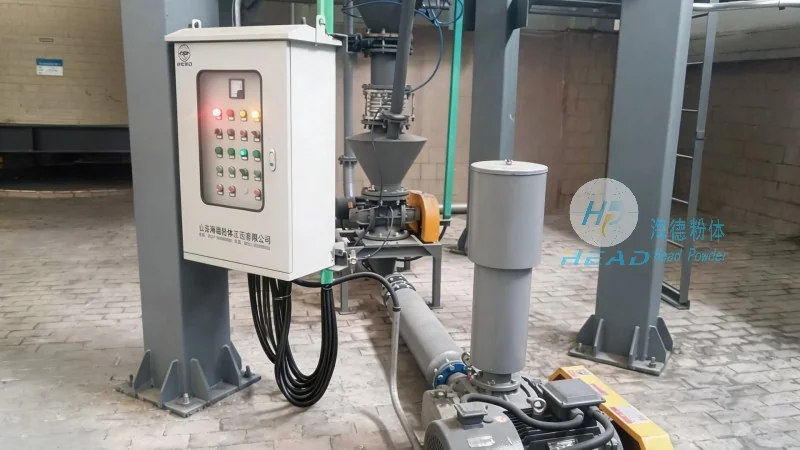
Implementing pneumatic conveying systems for sintered dust offers numerous advantages over traditional methods like belt conveyors or manual handling. These benefits include reduced dust emissions and improved workplace safety, as the material is contained within the pipeline, minimizing exposure to workers. Additionally, the system provides a high degree of automation, allowing for precise control over material flow rates and reducing the risk of material spillage or blockages. The continuous operation capability of pneumatic conveying also enhances overall production throughput, making it an ideal solution for high-volume industrial applications.
Customization and Engineering Solutions by HeadPowder
HeadPowder Engineering Co., Ltd., with its headquarters in Shandong, China, provides tailored pneumatic conveying solutions that address the unique challenges of handling sintered dust materials. The company’s engineering team conducts thorough analyses of the material properties, operational requirements, and environmental regulations to design systems that are both efficient and compliant. By leveraging advanced simulation tools and years of industry experience, HeadPowder ensures that each pneumatic conveying line is optimized for the specific application, delivering reliable performance and long-term cost savings for its clients.