

Principle and Working Scene Characteristics of Lithium Hydroxide Material Pneumatic Conveying Lines
Shandong HeadPowder Engineering Co., Ltd., commonly known as HeadPowder, is a professional manufacturer specializing in the design, development, and production of pneumatic conveying systems. With a focus on high-quality engineering solutions, the company serves various industries, including chemical processing, where handling materials like lithium hydroxide requires advanced and reliable transportation methods.
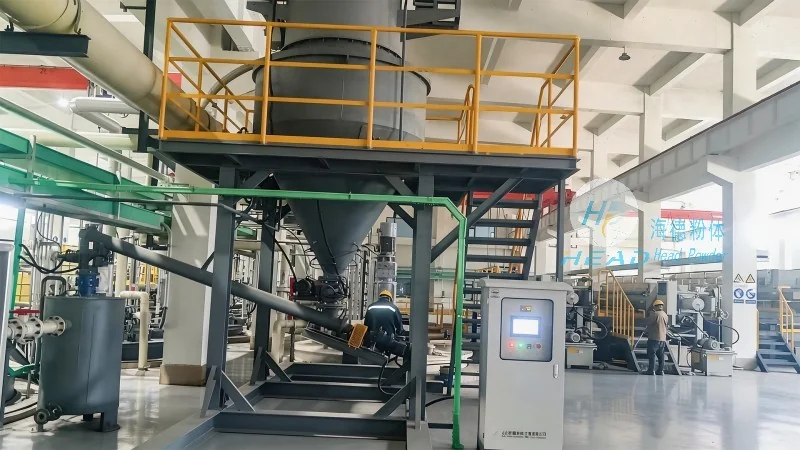
Introduction to Lithium Hydroxide Pneumatic Conveying Lines
HeadPowder's lithium hydroxide material pneumatic conveying lines are engineered to efficiently transport lithium hydroxide, a critical chemical used in battery production and other industrial applications. These systems utilize air as the primary medium to move the material from one location to another, offering a safe and efficient alternative to traditional mechanical conveying methods. The design incorporates advanced technology to ensure minimal material degradation, maintain consistent flow rates, and meet stringent industry standards for material handling.
The Working Principle of Pneumatic Conveying Systems
The core principle of pneumatic conveying for lithium hydroxide involves creating a pressure differential between the conveying line's inlet and outlet. By introducing compressed air into the system, the material is entrained and transported through the pipeline. The system typically consists of a hopper, a rotary valve, a conveying pipe, and a receiver. The rotary valve controls the material discharge from the hopper, while the conveying pipe ensures the material is moved to the desired location. The receiver collects the material at the end of the line, completing the process. This method eliminates the need for mechanical components like belts or screws, reducing maintenance requirements and improving operational safety.
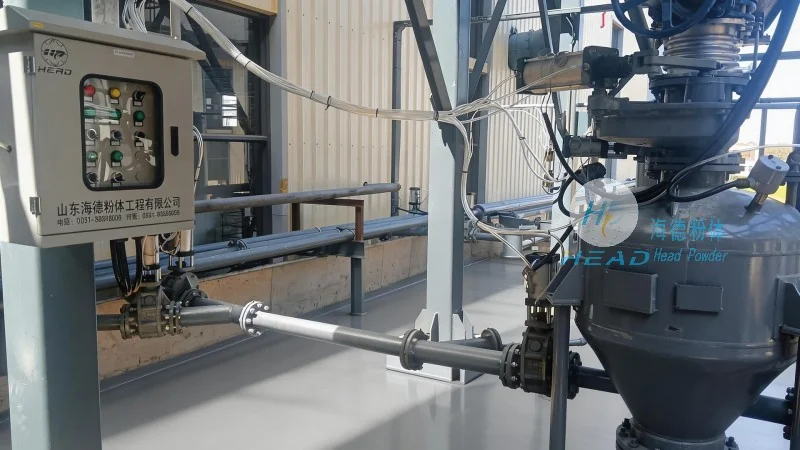
Key Characteristics of Working Scenes for Lithium Hydroxide Pneumatic Conveying
When applied in industrial settings, lithium hydroxide pneumatic conveying lines exhibit several distinct advantages. Firstly, they provide a dust-free environment, which is crucial for handling hygroscopic and reactive materials like lithium hydroxide. The enclosed system prevents material exposure to air, reducing the risk of moisture absorption or contamination. Secondly, the system offers high flexibility in layout design, allowing for complex and space-constrained installations. This is particularly beneficial in facilities where equipment is located in different areas, requiring the material to be transported over long distances or through multiple turns. Thirdly, the operation is highly automated, with minimal human intervention needed for routine tasks. The system can be integrated with process control systems, enabling real-time monitoring of flow rates, pressure, and material levels. This automation enhances operational efficiency and reduces labor costs. Additionally, the system is designed for easy maintenance, with components that can be easily accessed and replaced, minimizing downtime during maintenance activities.
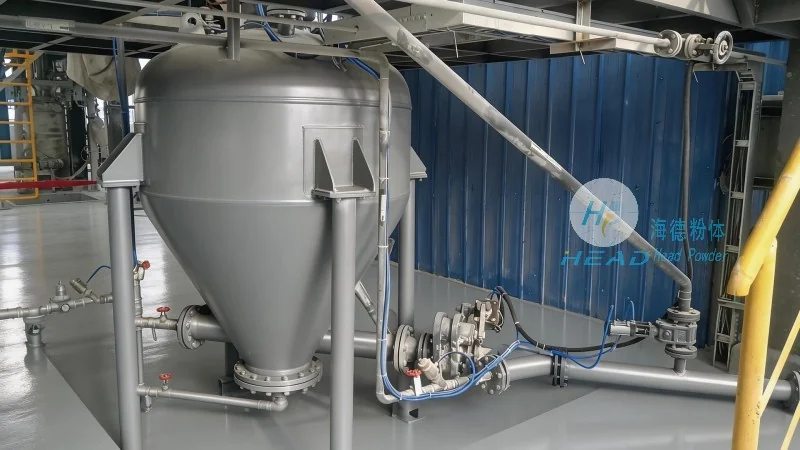
Typical Working Scenarios in Industrial Production
In the battery manufacturing industry, lithium hydroxide is a key raw material for producing lithium carbonate and lithium hydroxide itself, which are then used in lithium-ion batteries. The pneumatic conveying lines are commonly used to transport lithium hydroxide from storage silos to production lines, where it is further processed into battery-grade materials. For example, in a lithium battery production plant, the conveying line may transport the material from a large storage tank to a mixing unit, ensuring a continuous and controlled supply of raw material. The system's ability to handle high volumes of material at a consistent rate is essential for maintaining production efficiency. In another scenario, the line may be used to transport lithium hydroxide from a reaction vessel to a drying unit, where the material is processed to remove excess moisture before further use. The enclosed nature of the system prevents moisture from entering the material, which is critical for maintaining the quality of the final product. Additionally, in chemical processing facilities, the conveying line may be used to transport lithium hydroxide from a processing unit to a packaging area, ensuring that the material is handled safely and efficiently throughout the entire production cycle.
Conclusion
Shandong HeadPowder Engineering Co., Ltd.'s lithium hydroxide material pneumatic conveying lines represent a reliable and efficient solution for industrial material handling. By leveraging advanced pneumatic technology, the systems provide a safe, dust-free, and automated method for transporting lithium hydroxide, meeting the demands of modern industrial production. With a focus on quality and customer satisfaction, HeadPowder continues to innovate and provide tailored solutions to meet the specific needs of its clients, ensuring optimal performance and operational efficiency in various working scenarios.