

Principle and Working Scene Characteristics of Polyethylene Powder Material Pneumatic Conveying Line
Polyethylene powder, a widely used plastic material in various industrial applications, often requires efficient and reliable material handling solutions for transportation from production sites to processing or packaging areas. Pneumatic conveying lines offer an effective method for handling such powders, leveraging the principles of air flow to transport materials without the need for mechanical components like belts or buckets. This article explores the fundamental principles behind polyethylene powder pneumatic conveying systems and highlights the key characteristics of their operational scenarios.
The Core Principle of Pneumatic Conveying for Polyethylene Powder
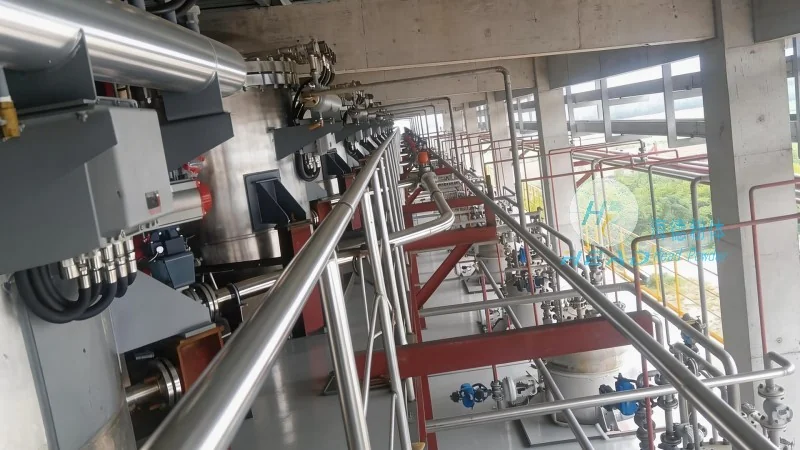
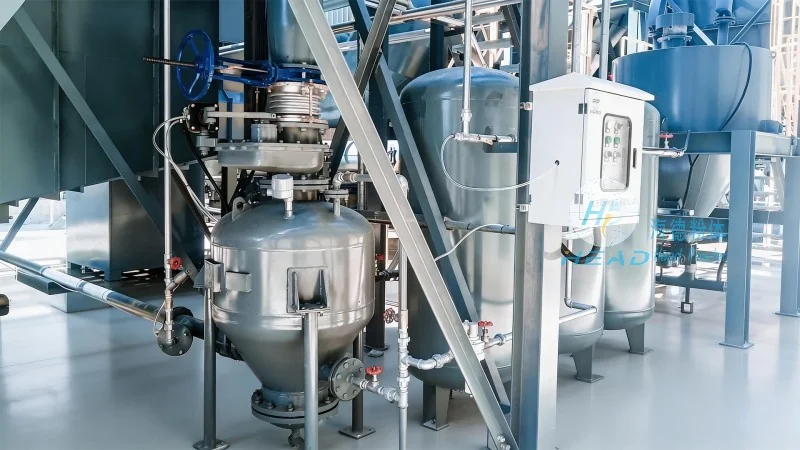
The operation of a polyethylene powder pneumatic conveying line is based on the fundamental principle of using compressed air to move powder particles through a pipeline. The system typically consists of a hopper for material storage, a feeder to control the flow rate, a conveying line (usually made of stainless steel or other corrosion-resistant materials to prevent powder degradation and equipment wear), and a receiver for the discharged material. The process begins when the feeder releases a controlled amount of polyethylene powder into the conveying line. Simultaneously, compressed air is introduced at the inlet of the line, creating a high-velocity air stream that entrains the powder particles. As the air and powder mixture travels through the pipeline, the powder is suspended and transported to the receiver. The air velocity must be sufficient to overcome the gravitational force acting on the powder particles and maintain their suspension, ensuring a smooth and continuous flow. The design of the conveying line, including the angle of the pipeline, the diameter of the pipes, and the placement of bends and valves, is critical to achieving optimal conveying efficiency and preventing material degradation or blockages.
Key Working Scene Characteristics of Polyethylene Powder Pneumatic Conveying Lines
The operational characteristics of polyethylene powder pneumatic conveying systems vary based on the specific application and the nature of the material being handled. Several key aspects define these working scenarios:
- Material Handling Efficiency: Pneumatic conveying lines provide a high-capacity and continuous method for transporting polyethylene powder, which is particularly advantageous in high-volume production environments. The ability to handle large quantities of material without the need for frequent manual intervention or equipment maintenance makes this system suitable for continuous production lines.
- Process Integration and Flexibility: These systems can be integrated into existing production workflows, allowing for seamless transfer of polyethylene powder between different stages of processing, such as from a drying unit to a mixing machine or from a storage silo to a packaging line. The flexibility of pneumatic conveying lines enables them to adapt to varying production demands, including changes in material flow rates or destination points.
- Environmental and Safety Considerations: Pneumatic conveying systems are designed to minimize dust emissions and maintain a clean working environment, which is crucial for polyethylene powder handling due to its potential to create airborne particles that can affect air quality and worker health. The enclosed pipeline design and proper filtration systems help contain the powder, reducing the risk of dust dispersion and ensuring compliance with environmental regulations.
- Equipment Durability and Maintenance: The components of a polyethylene powder pneumatic conveying line, especially the conveying pipes and hoppers, are constructed from materials resistant to the chemical properties of polyethylene powder and the effects of compressed air. Stainless steel is commonly used for its corrosion resistance and durability, ensuring long-term performance with minimal maintenance requirements. Proper maintenance, including regular cleaning and inspection of the system, is essential to prevent blockages and maintain optimal conveying efficiency.
Company Overview: HeadPowder Engineering
HeadPowder Engineering, a leading provider of industrial material handling solutions, specializes in designing and manufacturing high-quality pneumatic conveying systems tailored to the needs of various industries. With a focus on innovation and customer satisfaction, the company offers customized solutions for handling polyethylene powder and other powder materials. HeadPowder Engineering is committed to delivering reliable and efficient systems that meet the specific requirements of its clients, ensuring optimal performance and durability in demanding operational environments.
Contact Information
HeadPowder Engineering Co., Ltd. is located in Shandong, China, serving as a key player in the industrial material handling sector. The company’s headquarters and manufacturing facilities are situated in this region, providing access to advanced technology and skilled personnel for the development and production of pneumatic conveying systems.