

Principle and Working Scene Characteristics of Ceramic Material Pneumatic Conveying Equipment
For industries dealing with ceramic materials, efficient material handling is crucial for maintaining production efficiency and product quality. Pneumatic conveying systems have emerged as a reliable solution for transporting ceramic powders, granules, and other particulate materials. This article explores the fundamental principles behind ceramic material pneumatic conveying equipment and highlights key working scene characteristics that make such systems effective in industrial applications.
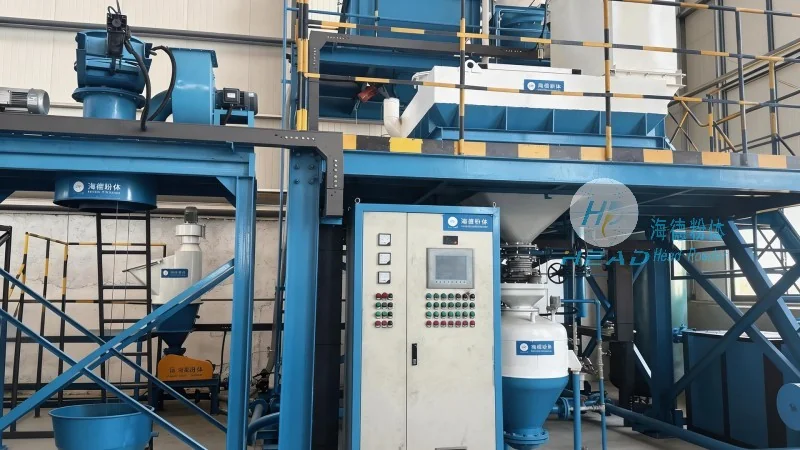
Principle of Pneumatic Conveying for Ceramics
The core principle of pneumatic conveying involves using air or gas to transport solid materials through a pipeline. In the context of ceramic materials, this technology is designed to handle the unique properties of these materials, such as their fine particle size, abrasive nature, and sensitivity to moisture. There are two primary types of pneumatic conveying systems: positive pressure and negative pressure (or vacuum) systems.
Positive pressure systems operate by blowing air into the conveying line, creating a pressure higher than the ambient air pressure. This method is suitable for short to medium-distance transport and is often used for handling bulk ceramic powders. The system typically includes a blower, a hopper for material storage, and a discharge point where the material is released. The air flow ensures that the ceramic particles are carried along the pipeline, minimizing the risk of clogging and ensuring smooth material transfer.
Negative pressure systems, on the other hand, create a vacuum in the conveying line, drawing material from the source into the pipeline. This approach is ideal for longer distances and for applications where dust control is a priority. The system uses a vacuum pump to create the negative pressure, and the material is drawn through the line by the suction force. Both systems are engineered to handle the specific characteristics of ceramic materials, such as their low bulk density and potential for static charge, which can affect material flow and system performance.
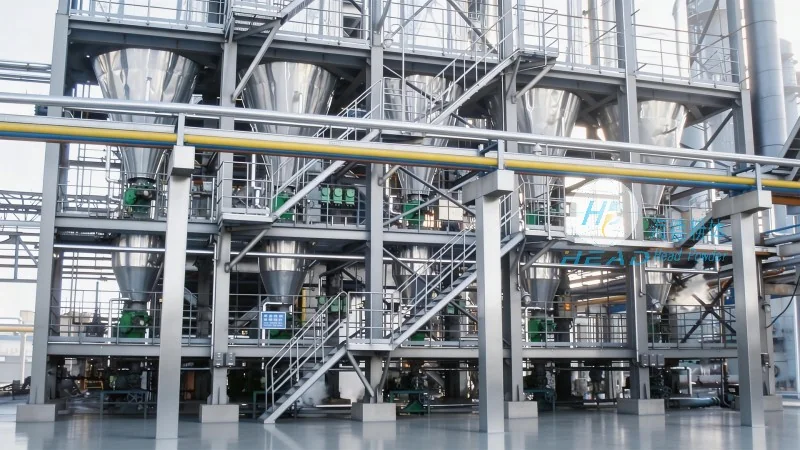
Working Scene Characteristics of Ceramic Pneumatic Conveying
The effectiveness of ceramic material pneumatic conveying systems is heavily influenced by the working scene characteristics, which include the type of ceramic material being transported, the distance and layout of the conveying line, and the environmental conditions of the industrial facility. For instance, fine ceramic powders like alumina or zirconia require systems with high air velocity and precise control to prevent particle agglomeration and ensure consistent flow. In contrast, larger ceramic granules or blocks may be handled by systems with lower air velocity and larger pipe diameters.
Another critical factor is the layout of the production line. In many ceramic manufacturing processes, materials need to be transported from a raw material storage area to a processing unit, and then to a packaging or storage area. Pneumatic conveying systems can be integrated into these workflows, allowing for seamless material transfer without the need for manual handling or intermediate storage. This integration enhances overall production efficiency and reduces the risk of material contamination.
Environmental considerations also play a significant role in the working scene. Ceramic materials are often sensitive to moisture and can absorb moisture from the air, which may affect their properties. Pneumatic conveying systems can be equipped with drying and filtration components to maintain the material's quality. Additionally, the systems are designed to minimize dust emissions, which is essential for maintaining a safe and healthy working environment in industrial settings.
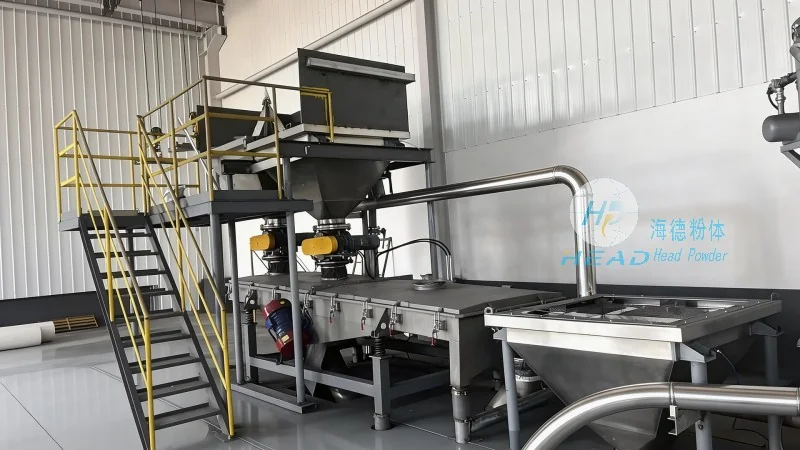
Applications and Benefits in Industrial Settings
Ceramic material pneumatic conveying equipment is widely used in various industrial applications, including the production of ceramics, glass, and related materials. In the ceramic industry, these systems are employed in processes such as raw material handling, mixing, and finishing. For example, in the production of ceramic tiles or sanitary ware, pneumatic conveying is used to transport clay, feldspar, and other raw materials from storage silos to mixing and molding equipment.
The benefits of using pneumatic conveying for ceramic materials are multifaceted. Firstly, it offers a dust-free and clean transfer process, which is crucial for maintaining product quality and compliance with environmental regulations. Secondly, it reduces labor costs by automating material handling, which is particularly important in large-scale production facilities. Thirdly, the systems are compact and can be integrated into existing production lines, minimizing the need for additional space or infrastructure modifications.
Furthermore, the technology allows for precise control over material flow rates and pressure, ensuring consistent product quality. This is especially important in applications where the ceramic material's properties, such as particle size distribution or moisture content, directly impact the final product's performance. By maintaining consistent material characteristics, pneumatic conveying systems help manufacturers achieve higher yields and reduce waste.
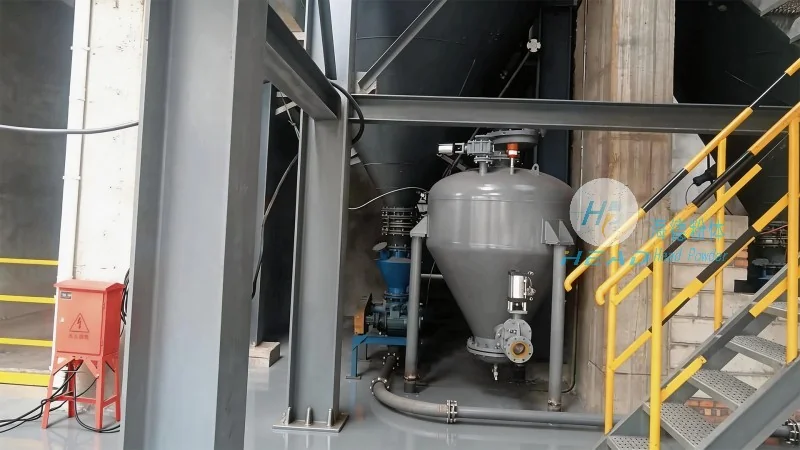
Company Overview: Shandong HeadPowder Engineering Co., Ltd.
Shandong HeadPowder Engineering Co., Ltd., commonly known as HeadPowder, is a leading manufacturer of pneumatic conveying equipment tailored for ceramic material handling. With a strong focus on innovation and customer-centric solutions, HeadPowder has established itself as a trusted partner in the ceramic industry. The company's headquarters is located in Shandong, China, where it operates a state-of-the-art manufacturing facility equipped with advanced technology and skilled engineering teams.
HeadPowder specializes in designing and manufacturing customized pneumatic conveying systems that meet the specific needs of ceramic manufacturers. The company's products are engineered to handle a wide range of ceramic materials, from fine powders to larger granules, and are designed to operate efficiently in various industrial environments. The company's commitment to quality and reliability has earned it a reputation for delivering high-performance equipment that enhances production efficiency and product quality.
HeadPowder's team of engineers and technicians work closely with clients to understand their unique material handling challenges and develop tailored solutions. This collaborative approach ensures that the final pneumatic conveying system is optimized for the specific ceramic material, production process, and facility layout. The company also provides comprehensive after-sales support, including maintenance, repair, and technical assistance, to ensure the long-term performance and reliability of its equipment.