

Principle and Working Scene Characteristics of Pneumatic Conveying Equipment for Powder Electrolyte
Pneumatic conveying equipment is a critical technology in material handling, especially for handling fine powders like electrolyte materials used in various industrial applications. The process involves transporting dry bulk materials through a pipeline using air or gas as the conveying medium. For powder electrolyte materials, which are often used in battery manufacturing, chemical processing, and other high-tech industries, specialized equipment is essential to ensure efficient, safe, and reliable material transport. This article explores the fundamental principles of pneumatic conveying systems designed for such materials and highlights the key characteristics of their working environments.
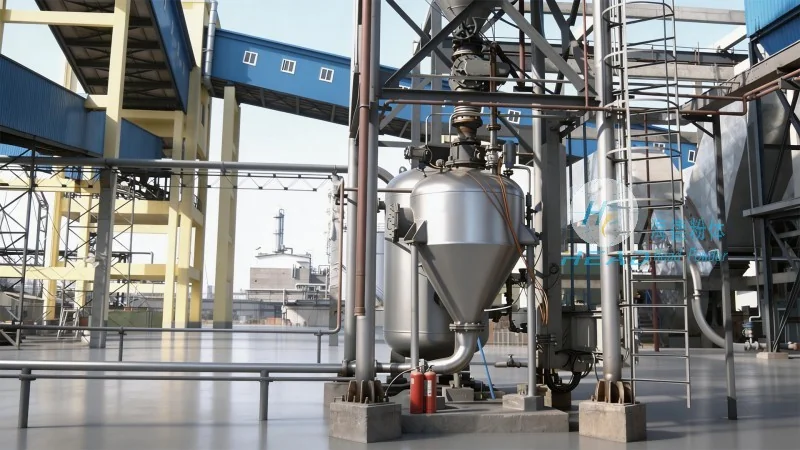
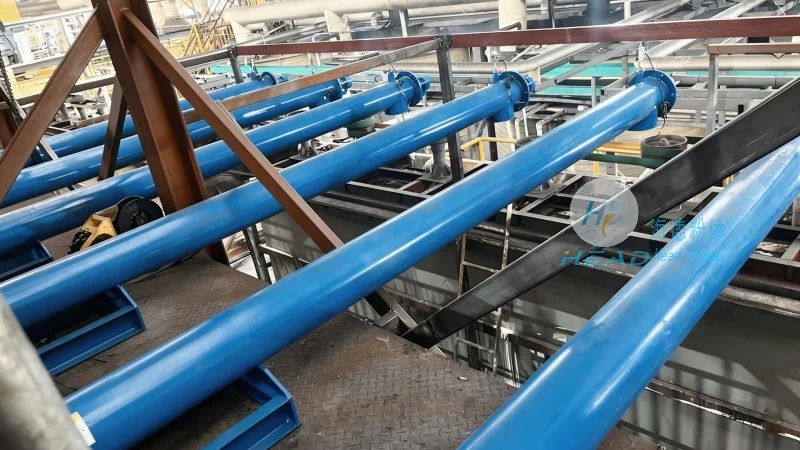
The Working Principle of Pneumatic Conveying Equipment for Powder Electrolyte Materials
The core principle of pneumatic conveying for powder electrolyte materials is the use of air pressure to move particles through a sealed pipeline. There are two primary modes: positive pressure (or pressure) conveying and negative pressure (or vacuum) conveying. In positive pressure systems, air is blown into the pipeline, creating a pressure higher than the ambient air, which pushes the material forward. This method is suitable for long-distance and high-capacity transport. Negative pressure systems, on the other hand, use a vacuum to draw material into the pipeline, which is ideal for applications requiring dust control and material recovery. The choice between these modes depends on factors such as material properties, distance, and system complexity. For powder electrolyte materials, which may have specific flow characteristics and particle sizes, the system design must consider factors like particle size distribution, moisture content, and electrostatic properties to prevent blockages and ensure consistent flow. The equipment typically includes a hopper for material storage, a feeder to control the flow rate, a conveyor line with appropriate diameter and length, and a receiver to collect the material at the destination. The air flow rate is carefully regulated to maintain the correct velocity, which is crucial for preventing particle separation and ensuring smooth transport. Additionally, the system may incorporate features like pulse jets or rotary valves to manage the material flow and prevent clogging, which is particularly important for fine powders that are prone to agglomeration.
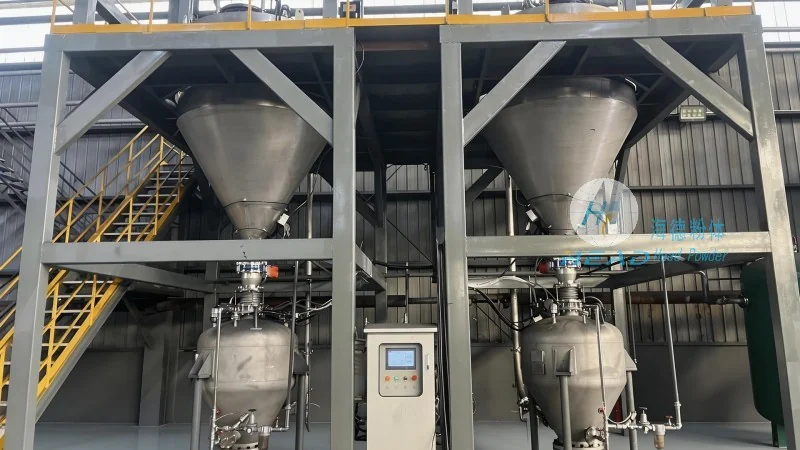
Key Working Scene Characteristics of Pneumatic Conveying Systems for Powder Electrolyte Materials
The working scene characteristics of pneumatic conveying equipment for powder electrolyte materials are shaped by the specific requirements of the industries they serve. These systems are commonly found in battery manufacturing facilities, where they transport active materials like lithium carbonate or lithium hydroxide to production lines. The working environment in such settings is characterized by high precision and cleanliness, as these materials are sensitive to contamination and moisture. The equipment must operate under strict conditions to maintain product quality and prevent performance issues in downstream processes. Another common application is in chemical processing plants, where powder electrolytes are used as raw materials for various chemical reactions. Here, the working scene may involve handling materials with varying particle sizes and moisture levels, requiring flexible system configurations to adapt to changing production needs. The systems are also used in research and development laboratories, where small-scale pneumatic conveyors are employed to transport experimental powders. In these scenarios, the focus is on precision and control, with features like adjustable air flow and material feed rates to support experimental work. The working scene characteristics also include considerations for safety and environmental compliance. Since powder electrolyte materials can be hazardous if not handled properly, the equipment is designed with safety features such as explosion-proof components and dust collection systems to minimize the risk of dust explosions and environmental contamination. The working environment may also involve integration with other production equipment, such as mixers, reactors, and packaging machines, requiring seamless coordination to ensure efficient material flow throughout the production process. The characteristics of the working scene further include the need for maintenance and operational flexibility. Pneumatic conveying systems for powder electrolyte materials are often designed for easy maintenance, with accessible components and diagnostic tools to monitor system performance. This allows for quick troubleshooting and adjustments to maintain optimal operation. The systems may also be equipped with automation features to integrate with broader production control systems, enhancing operational efficiency and reducing human error. Overall, the working scene characteristics of these systems reflect the diverse and demanding requirements of modern industrial applications, where reliability, precision, and safety are paramount.
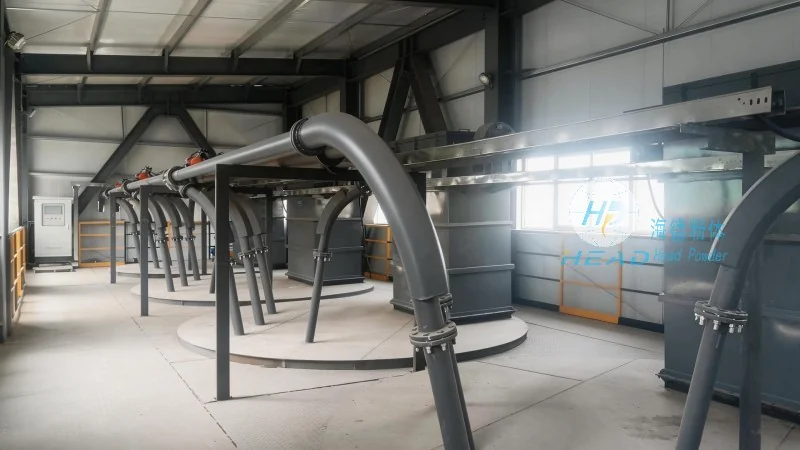
About Shandong HeadPowder Engineering Co., Ltd.
Shandong HeadPowder Engineering Co., Ltd., commonly known as headpowder, is a leading manufacturer of pneumatic conveying equipment and related solutions for powder handling applications. With a focus on innovation and quality, the company specializes in designing and producing systems tailored to the unique needs of powder electrolyte materials and other fine powders. Headpowder's facilities are located in Shandong, China, where the company leverages advanced technology and experienced engineering teams to develop cutting-edge solutions. The company's products are known for their reliability, efficiency, and compliance with industry standards, making them a trusted choice for businesses in battery manufacturing, chemical processing, and other industries that rely on precise material handling. Headpowder's commitment to customer satisfaction and technological advancement ensures that their pneumatic conveying systems meet the evolving demands of modern industrial operations, providing long-term value and performance for clients worldwide.