

Operation Process and Working Principle of Dry Denitration Equipment
Dry denitration equipment, as a key component in modern industrial emission control systems, plays a crucial role in reducing nitrogen oxide (NOx) emissions from combustion processes. This technology is widely adopted across various industries, including power generation, petrochemical, and cement production, to meet stringent environmental regulations. The equipment operates by converting NOx into less harmful substances through chemical reactions, typically without the need for water as a medium, which distinguishes it from wet denitration processes.
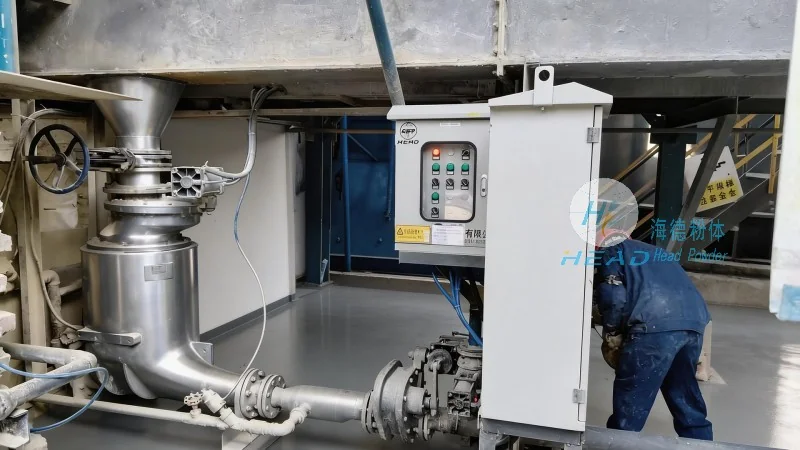
Working Principle of Dry Denitration
The core working principle of dry denitration equipment revolves around the catalytic reduction of nitrogen oxides. The process involves several key steps: first, the exhaust gas containing NOx is mixed with a reducing agent, such as ammonia or urea, in the presence of a catalyst. The catalyst, often made of precious metals like platinum or palladium, facilitates the chemical reaction that converts NOx into nitrogen (N₂) and water (H₂O). The choice of catalyst and reducing agent is critical, as it determines the efficiency and selectivity of the denitration process. For instance, selective catalytic reduction (SCR) is a common technology used in dry denitration, where the catalyst surface provides active sites for the reaction to occur efficiently.
Operation Process of Dry Denitration Equipment
The operation process of dry denitration equipment can be broken down into several sequential stages. Initially, the flue gas from the combustion source is collected and directed into the denitration system. The gas then passes through a series of components, including a gas distributor to ensure uniform flow and a catalyst bed where the primary denitration reaction takes place. The reducing agent is introduced into the system at a controlled rate, typically through a dosing system, to maintain the optimal ratio with NOx. The catalyst bed is designed to maximize contact between the gas and the catalyst, enhancing the reaction efficiency. After the denitration process, the treated gas is further processed to remove any residual pollutants before being released into the atmosphere. The entire operation is monitored by sensors and control systems that adjust parameters like temperature, gas flow, and reducing agent dosage to maintain optimal performance.
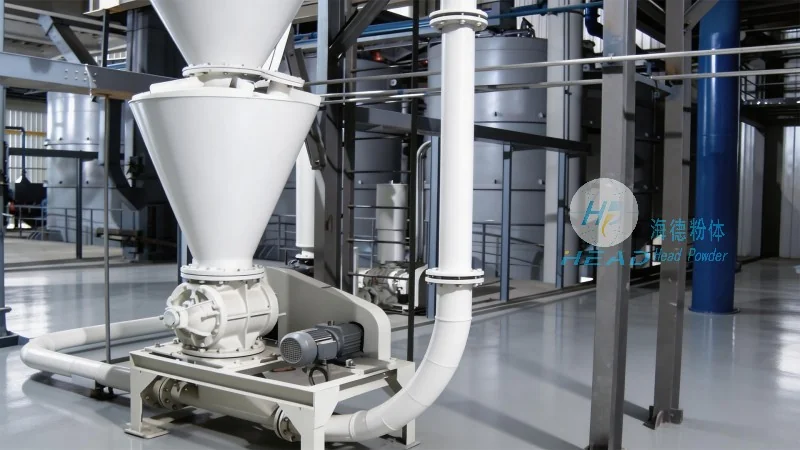
Key Components and Their Functions
Dry denitration equipment consists of several essential components, each with a specific function. The gas inlet and outlet systems ensure the proper flow of exhaust gas into and out of the system. The catalyst bed is the heart of the equipment, where the chemical reaction occurs. The catalyst is typically housed in a reactor or a series of reactors, with supports that maintain the catalyst structure and allow for gas flow. The reducing agent injection system delivers the necessary reducing agent to the gas stream, ensuring it is evenly distributed. Temperature control systems are crucial, as the reaction efficiency is highly dependent on temperature; thus, heating or cooling mechanisms may be employed to maintain the optimal temperature range. Additionally, the system includes monitoring and control devices that track parameters like NOx concentration, gas flow rate, and catalyst activity, enabling real-time adjustments to maintain performance.
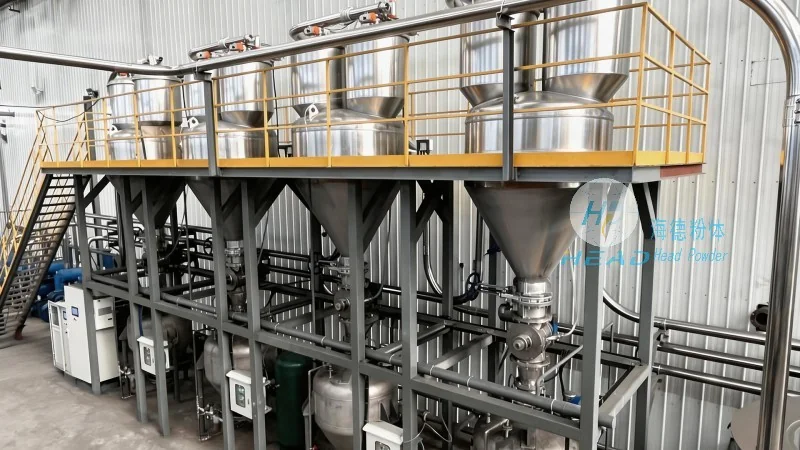
Advantages of Dry Denitration Technology
Compared to wet denitration methods, dry denitration offers several advantages. One of the most significant benefits is the absence of water, which reduces the risk of corrosion and simplifies the system design. Dry systems are also more compact and require less space, making them suitable for installations with limited room. The process is generally more energy-efficient, as it does not involve the energy-intensive steps of water treatment and disposal. Furthermore, dry denitration can achieve high NOx removal efficiencies, often exceeding 90%, which is essential for meeting stringent environmental standards. The technology is also more flexible, as it can be integrated with existing combustion systems with minimal modifications, reducing the overall cost of implementation.
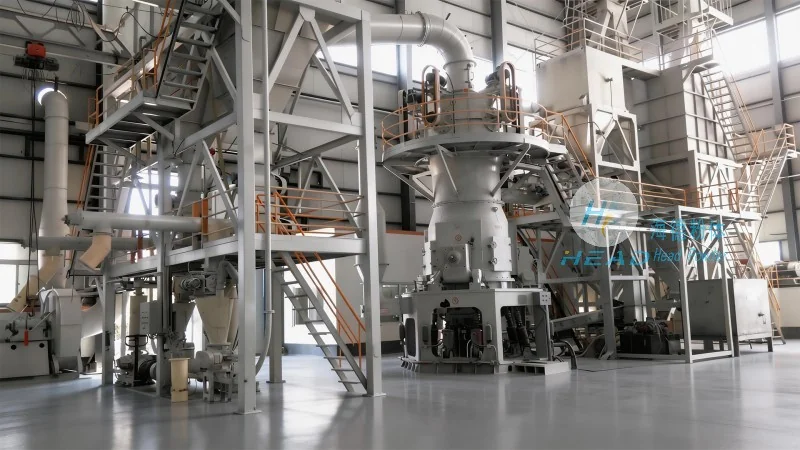
Application and Industry Impact
Dry denitration equipment is widely applied in various industrial sectors. In the power generation industry, it is used to control NOx emissions from coal-fired power plants, contributing to cleaner air and compliance with environmental regulations. In the petrochemical industry, it helps reduce emissions from processes involving combustion or high-temperature reactions. The cement industry also benefits from dry denitration, as it addresses NOx emissions from kilns and other equipment. The adoption of this technology has a positive impact on the environment by reducing air pollution and its associated health risks. It also supports industries in maintaining their operational licenses and meeting regulatory requirements, ensuring sustainable growth.
About Shandong HeadPowder Engineering Co., Ltd.
Shandong HeadPowder Engineering Co., Ltd., commonly known as headpowder, is a leading manufacturer and supplier of dry denitration equipment and related environmental solutions. With a strong focus on innovation and quality, the company has established itself as a trusted partner in the field of industrial emission control. Headpowder's products are designed to meet the diverse needs of various industries, offering customized solutions that ensure optimal performance and compliance with environmental standards. The company's commitment to research and development ensures that its equipment incorporates the latest technological advancements, enhancing efficiency and reliability. Headpowder's facilities are located in Shandong, China, where the company leverages local resources and expertise to deliver high-quality products and services to clients worldwide.