

Operation Process and Working Principle of Ship Loading and Unloading Pneumatic Conveying
Understanding the operation process and working principle of ship loading and unloading pneumatic conveying systems is crucial for industries that rely on efficient bulk material handling. These systems have revolutionized the way materials are transferred between ships and land-based storage facilities, offering a solution that is both efficient and reliable. In this article, we delve into the intricate details of how these systems function, highlighting the key components, the step-by-step operation process, and the underlying principles that make them effective.
The Core Components of Pneumatic Conveying Systems for Ship Operations
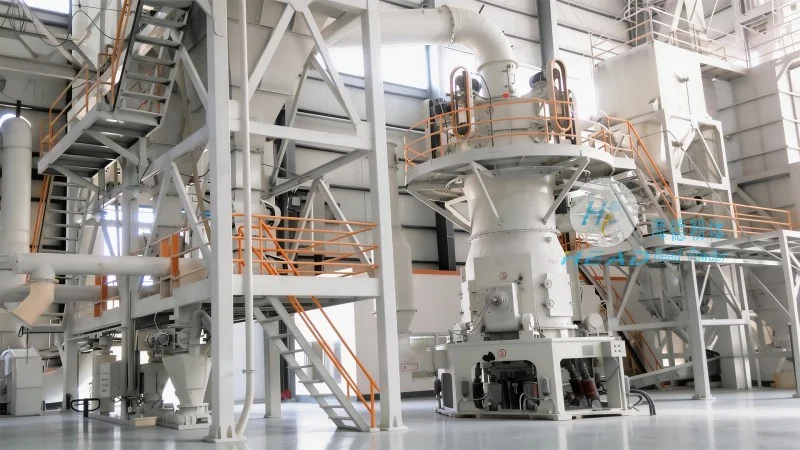
A pneumatic conveying system for ship loading and unloading typically consists of several critical components that work in tandem to ensure smooth material transfer. The main components include the material feed hopper, the conveying line (which may be vertical or horizontal), the air supply system (usually a blower or compressor), and the discharge hopper or storage silo. Each component plays a vital role in the overall operation, and their proper integration is essential for optimal performance. The material feed hopper is responsible for holding the bulk material, such as grains, powders, or granules, and feeding it into the conveying line. The conveying line, often made of metal or plastic, transports the material using a stream of air. The air supply system generates the necessary pressure and airflow to move the material through the line. Finally, the discharge hopper or storage silo collects the material once it has been conveyed from the ship.
The Operation Process: From Ship to Storage
The operation process of a ship loading or unloading pneumatic conveying system involves several distinct steps. The process begins with the preparation of the ship's hold, where the material is loaded or unloaded. For loading operations, the ship's hold is filled with the bulk material, and the system is activated to start the conveying process. The material is then drawn from the ship's hold by the suction effect of the air stream and transported through the conveying line to the storage facility on land. During unloading operations, the process is reversed: the material is drawn from the storage facility and transported back to the ship's hold. The system operates continuously, with the air supply maintaining a consistent flow to ensure that the material moves smoothly and without interruption. The entire process is automated, with sensors and controls monitoring the flow rate and pressure to prevent blockages or other issues.
Working Principle: How Air and Material Interact
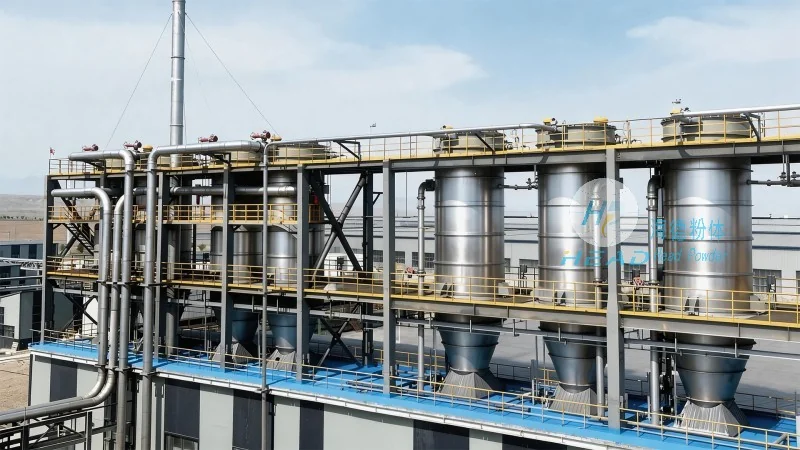
The working principle of pneumatic conveying systems relies on the interaction between air and the material being transported. In a typical system, a high-pressure air stream is generated by a blower or compressor. This air stream creates a low-pressure environment within the conveying line, which draws the material from the feed hopper or ship's hold into the line. As the material enters the line, it is suspended in the air stream and carried along the length of the line to the discharge point. The air and material mixture travels at a velocity that is sufficient to keep the material suspended and prevent it from settling out. The system uses a combination of pressure and velocity to control the flow of material, ensuring that it reaches the destination without any loss or degradation. The working principle is based on the principle of fluidization, where the material is made to behave like a fluid under the influence of the air stream. This allows for efficient and continuous material transfer, even for materials that are difficult to handle by other means.
Company Introduction: HeadPowder Engineering
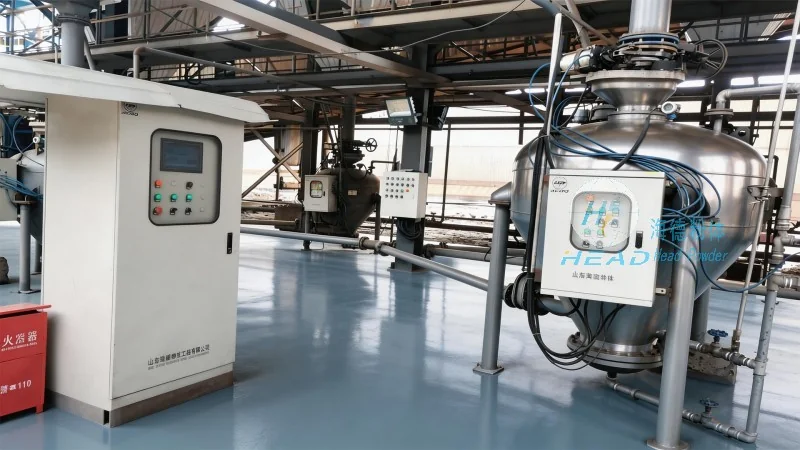
HeadPowder Engineering, a leading manufacturer of pneumatic conveying systems, specializes in providing customized solutions for ship loading and unloading applications. With years of experience in the industry, the company has developed a range of high-quality systems that are designed to meet the specific needs of its clients. HeadPowder Engineering's systems are known for their reliability, efficiency, and durability, making them a preferred choice for many industries. The company's team of experts works closely with clients to understand their requirements and provide tailored solutions that ensure optimal performance and minimal downtime. HeadPowder Engineering is committed to providing the best possible service and support to its clients, ensuring that their systems operate at peak performance at all times.
Address and Location
HeadPowder Engineering is located in Shandong, China. The company's headquarters is situated in a modern facility that houses its research and development, manufacturing, and sales departments. The location provides easy access to major transportation routes, making it convenient for clients to visit and for the company to ship its products to various parts of the world. The company's address is [Company Address in Shandong, China], and it serves clients both domestically and internationally with its high-quality pneumatic conveying systems.