

Operation Process and Working Principle of Dust-Free Bulk Material Loading Station with Pneumatic Co
The dust-free bulk material loading station, equipped with pneumatic conveying technology, is a critical component in modern industrial material handling systems. This system is designed to efficiently and safely transfer bulk materials from storage bags or containers into processing equipment, ensuring minimal dust generation and maintaining a clean working environment. The operation process and working principle of such a station are integral to its effectiveness in various industries, including pharmaceuticals, food processing, and chemical manufacturing.
Key Components and Their Functions
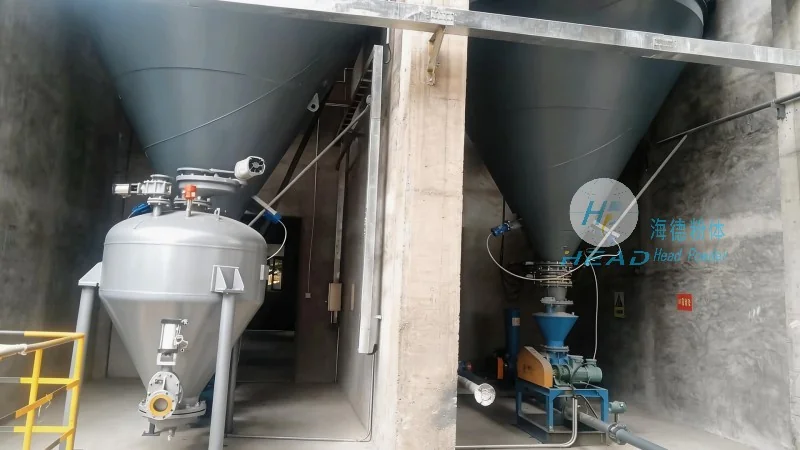
The dust-free bulk material loading station typically consists of several key components that work in concert to achieve the material transfer. These include the bulk bag (or IBC container) discharge system, the pneumatic conveying pipeline, the dust filtration unit, and the control system. Each component plays a vital role in the overall operation.
Firstly, the bulk bag discharge system, often equipped with a rotary valve or a bag emptying valve, is responsible for controlling the flow of material from the storage bag into the conveying system. This component ensures a controlled and steady feed of material, preventing overloading or clogging of the pipeline. The rotary valve, for instance, rotates to allow material to flow into the conveying line while maintaining a sealed environment to minimize dust exposure.
Secondly, the pneumatic conveying pipeline is the core of the system, responsible for transporting the bulk material from the discharge point to the processing equipment. This pipeline is usually made of stainless steel or other corrosion-resistant materials to handle various types of materials and maintain hygiene standards. The conveying method can be either positive pressure (where air is blown into the pipeline to push the material) or negative pressure (where air is drawn out to pull the material). The choice of method depends on the material characteristics, such as particle size, moisture content, and dustiness.
Thirdly, the dust filtration unit is essential for maintaining a clean and safe environment by capturing any airborne particles that may be released during the material transfer process. This unit typically includes a filter housing, a filter media (such as fabric or cartridge filters), and a dust collection container. The filtration system operates by drawing air through the filter media, trapping dust particles and returning clean air to the environment. Regular maintenance of the filter is crucial to ensure optimal performance and prevent clogging.
Finally, the control system manages the entire operation, coordinating the functions of the discharge valve, conveying pipeline, and filtration unit. This system can be automated, allowing for remote monitoring and control of the material flow rate, pressure, and other parameters. The control system ensures that the operation runs smoothly and safely, with the ability to detect and respond to any abnormalities, such as blockages or pressure fluctuations.
Operation Process of the Dust-Free Bulk Material Loading Station
The operation process of the dust-free bulk material loading station with pneumatic conveying involves several sequential steps. The process begins with the preparation of the bulk bag or container, ensuring that it is properly sealed and positioned for discharge. The control system then initiates the operation by opening the discharge valve, allowing material to flow into the conveying pipeline.
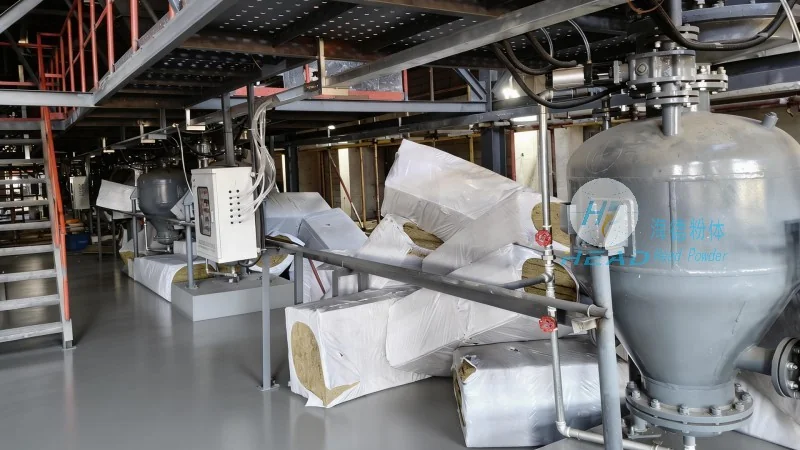
As the material is discharged, the pneumatic conveying system activates, either by introducing compressed air into the pipeline (positive pressure) or by creating a vacuum (negative pressure). The air flow carries the material particles through the pipeline to the processing equipment. The speed and pressure of the air are carefully controlled to ensure efficient and consistent material transfer without causing excessive wear on the equipment or generating excessive dust.
During the conveying process, the dust filtration unit continuously operates, capturing any dust particles that may be released from the material or the discharge system. The filtered air is then discharged back into the environment, while the collected dust is stored in a container for disposal. The control system monitors the pressure and flow rates throughout the process, adjusting the air supply as needed to maintain optimal performance.
The operation continues until the bulk bag is emptied, at which point the control system signals the end of the process. The discharge valve is then closed, and the system is prepared for the next batch of material. The entire process is designed to be efficient, with minimal downtime and low maintenance requirements, making it suitable for continuous industrial operations.
Working Principle of Pneumatic Conveying in the Loading Station
The working principle of pneumatic conveying in the dust-free bulk material loading station is based on the movement of material particles within a gas stream. In positive pressure conveying, compressed air is introduced into the conveying pipeline, creating a pressure differential that propels the material forward. The air flow is typically maintained at a high velocity to ensure that the material particles are entrained and transported effectively. The pipeline design, including bends and fittings, is optimized to minimize pressure losses and maintain the air flow velocity.
In negative pressure conveying, a vacuum is created at the receiving end of the pipeline, drawing the material and air mixture into the system. The vacuum is generated by a fan or a vacuum pump, which pulls air and material particles from the discharge point to the processing equipment. This method is often preferred for materials that are sensitive to pressure or for applications where dust generation needs to be minimized, as the vacuum helps to contain the material within the pipeline.
The choice between positive and negative pressure conveying depends on several factors, including the material characteristics, the distance to be conveyed, and the desired level of dust control. Positive pressure systems are generally more suitable for long-distance conveying and for materials that are less abrasive, while negative pressure systems are better for short-distance conveying and for materials that are more dust-sensitive.
The efficiency of the pneumatic conveying system is influenced by several factors, including the air flow rate, the particle size and density of the material, and the pipeline diameter. Proper design and maintenance of the system are crucial to ensure optimal performance and to prevent issues such as blockages or excessive energy consumption. The control system plays a vital role in adjusting these parameters in real-time to maintain the desired conveying conditions.
Benefits and Applications of the Dust-Free Bulk Material Loading Station
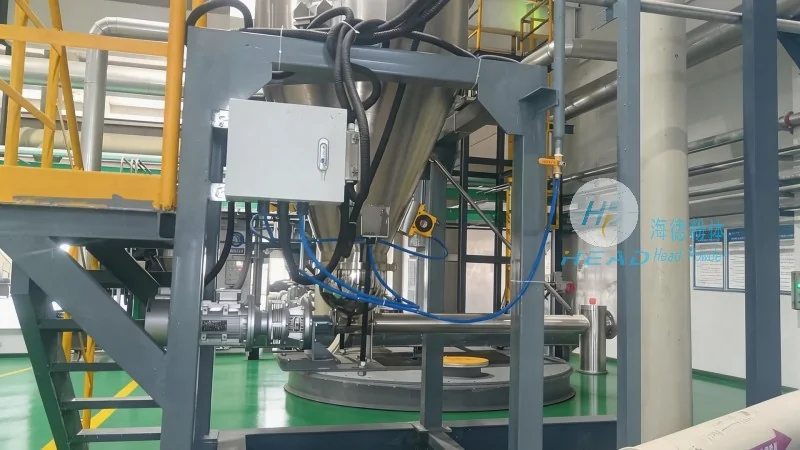
The dust-free bulk material loading station with pneumatic conveying offers several benefits that make it an ideal solution for various industrial applications. One of the primary benefits is the reduction of dust exposure, which is crucial for maintaining a safe and healthy working environment, especially in industries such as pharmaceuticals and food processing where product purity is paramount. The sealed system design minimizes the release of dust particles into the air, reducing the risk of contamination and improving overall air quality.
Another significant benefit is the efficiency and speed of material transfer. The pneumatic conveying system allows for rapid and continuous transfer of bulk materials, reducing the time required for loading and unloading operations. This leads to increased productivity and reduced labor costs, as the system can operate continuously without the need for manual intervention. The automated control system further enhances efficiency by minimizing downtime and ensuring consistent operation.
The dust-free design also contributes to improved product quality and consistency. By preventing dust contamination, the system ensures that the material being transferred is free from impurities, which is essential for maintaining the quality of the final product. This is particularly important in industries where product purity is a critical factor, such as in the production of pharmaceuticals, food products, and chemicals.
The versatility of the dust-free bulk material loading station makes it suitable for a wide range of applications. It can handle various types of bulk materials, including powders, granules, and pellets, with different particle sizes and moisture contents. The system can be customized to meet the specific requirements of different industries, such as pharmaceutical manufacturing, food processing, chemical production, and agricultural processing.
Conclusion
In conclusion, the dust-free bulk material loading station with pneumatic conveying is a sophisticated and efficient system designed to handle bulk materials in a safe and clean manner. The operation process involves the coordinated function of several key components, including the bulk bag discharge system, pneumatic conveying pipeline, dust filtration unit, and control system. The working principle of pneumatic conveying, whether positive or negative pressure, ensures the effective and controlled transfer of material. The benefits of this system, including reduced dust exposure, increased efficiency, and improved product quality, make it a valuable asset in modern industrial operations.
Shandong HeadPowder Engineering Co., Ltd., a leading manufacturer in this field, specializes in the design and production of such dust-free bulk material loading stations. With years of experience and a commitment to quality, the company provides reliable and efficient solutions for various industrial applications. The company's products are designed to meet the highest standards of safety, hygiene, and performance, ensuring that they meet the specific needs of different industries. Based in Shandong, China, HeadPowder Engineering Co., Ltd. continues to innovate and improve its products to stay at the forefront of the industry.