

The Operation Process and Working Principle of Calcium Powder Pneumatic Conveying
Calcium powder, a widely used material in various industrial applications, often requires efficient and reliable transportation methods to ensure smooth production processes. Pneumatic conveying systems have emerged as a preferred solution for handling calcium powder due to their ability to transport powders over long distances with minimal dust generation and operational flexibility. This article delves into the operation process and working principle of calcium powder pneumatic conveying, highlighting the key components, operational steps, and technical aspects that contribute to its effectiveness.
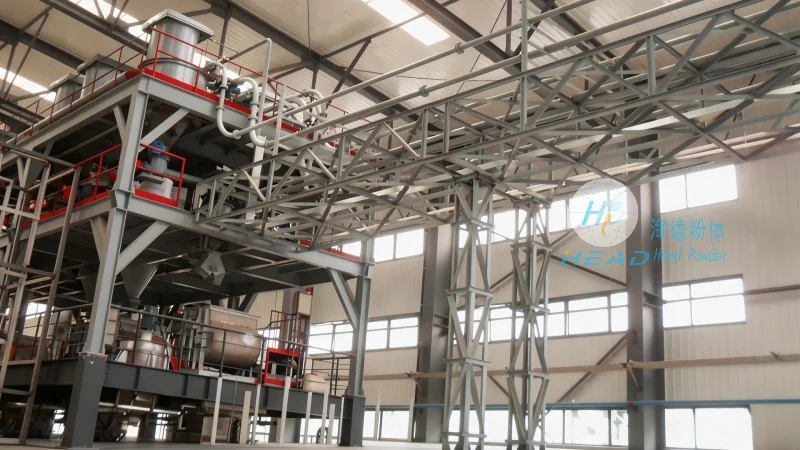
Introduction to Pneumatic Conveying Systems for Calcium Powder
Pneumatic conveying, also known as pneumatic transport, is a method of moving bulk materials like calcium powder through a pipeline using a gas stream, typically air or other gases. Unlike traditional mechanical conveying systems, which rely on belts, buckets, or screws, pneumatic systems utilize the force of compressed air to transport the material. This approach offers several advantages, including reduced maintenance, lower energy consumption, and the ability to handle materials that are difficult to transport mechanically, such as fine powders that are prone to caking or dusting.
Key Components of a Calcium Powder Pneumatic Conveying System
The effectiveness of a calcium powder pneumatic conveying system depends on the integration of several critical components, each playing a specific role in the material transport process. The primary components include the material hopper, feeder, conveying line, air compressor, and control system. The material hopper serves as the storage container for the calcium powder, ensuring a consistent supply of material to the feeder. The feeder, often a rotary valve or a screw feeder, regulates the flow of powder into the conveying line, preventing overfilling and maintaining a steady feed rate. The conveying line, typically made of stainless steel or other corrosion-resistant materials, is designed to withstand the abrasive nature of calcium powder and the pressure of the air stream. The air compressor generates the necessary pressure to move the powder through the line, while the control system monitors and adjusts the system parameters to optimize performance and prevent issues like blockages or excessive pressure.
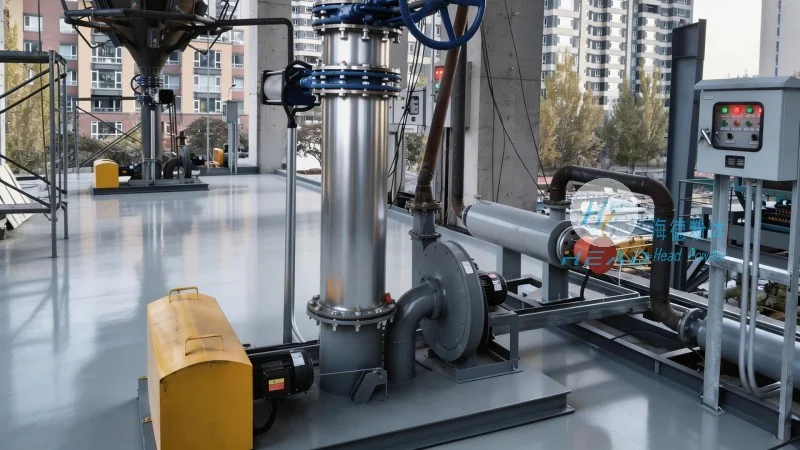
Operation Process of Calcium Powder Pneumatic Conveying
The operation process of a calcium powder pneumatic conveying system involves several sequential steps that ensure the efficient movement of material from the source to the destination. The process begins with the loading of calcium powder into the material hopper. The feeder then starts to discharge the powder at a controlled rate into the conveying line. Simultaneously, the air compressor supplies compressed air to the line, creating a pressure differential that propels the powder forward. As the air and powder mixture travels through the pipeline, the powder is suspended and transported to the receiving hopper or processing unit. The system continues to operate until the material hopper is emptied or the required amount of powder has been conveyed. The control system plays a crucial role in managing the flow rates of both the powder and the air, ensuring that the system operates within safe and efficient parameters.
Working Principle of Calcium Powder Pneumatic Conveying
The working principle of calcium powder pneumatic conveying is based on the fundamental concept of fluidization and suspension. When compressed air is introduced into the conveying line, it creates a low-density mixture of air and powder particles. The air stream exerts a drag force on the powder particles, lifting them off the pipeline walls and keeping them suspended in the air stream. This suspension allows the powder to be transported through the pipeline without settling or clogging. The velocity of the air stream is a critical factor, as it must be sufficient to maintain the powder in suspension but not so high as to cause excessive wear on the system components or energy waste. The pressure drop along the conveying line is another key aspect, as it indicates the resistance to flow and helps in determining the appropriate air pressure and flow rate for optimal performance.
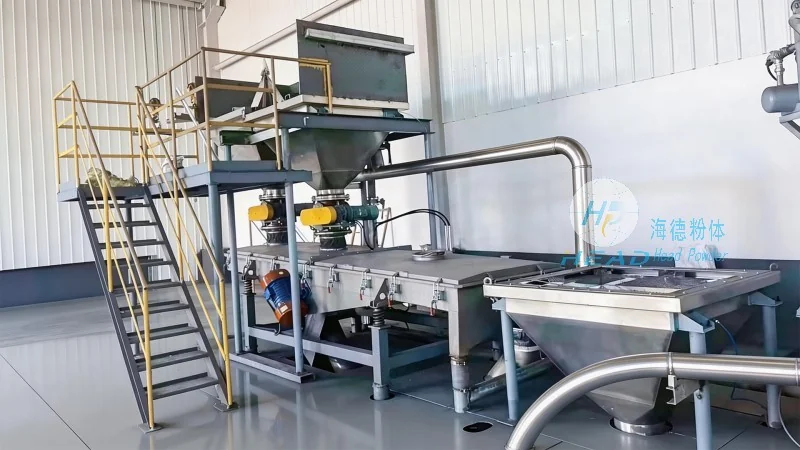
Advantages of Using Pneumatic Conveying for Calcium Powder
Implementing a pneumatic conveying system for calcium powder offers numerous advantages that make it a preferred choice for industrial applications. One of the primary benefits is the reduction in dust generation compared to traditional mechanical systems. Pneumatic conveying encloses the powder in a sealed pipeline, minimizing exposure to the environment and reducing the risk of dust inhalation by workers. Additionally, the system provides better material handling efficiency, as it can transport calcium powder over long distances with minimal loss or degradation of the material. The flexibility of pneumatic systems allows for easy integration with existing production lines and the ability to adjust the conveying rate as per production demands. Furthermore, the system requires less maintenance compared to mechanical systems, as there are fewer moving parts that can wear out or require regular replacement.
Applications of Calcium Powder Pneumatic Conveying
The versatility of calcium powder pneumatic conveying makes it suitable for a wide range of industrial applications. In the food and beverage industry, calcium powder is used as a nutritional supplement and is transported to processing units using pneumatic systems to maintain hygiene and prevent contamination. In the pharmaceutical industry, calcium powder is used in the formulation of various drugs and is conveyed using sterile pneumatic systems to ensure compliance with regulatory standards. The construction industry utilizes calcium powder in the production of cement and concrete, where pneumatic conveying is employed to transport the powder to mixing plants and batching stations. Additionally, in the chemical industry, calcium powder is used as a reagent in various processes, and pneumatic systems are used to transport it to reactors and processing equipment. The ability of pneumatic conveying to handle fine powders and maintain material integrity makes it an ideal solution for these applications.
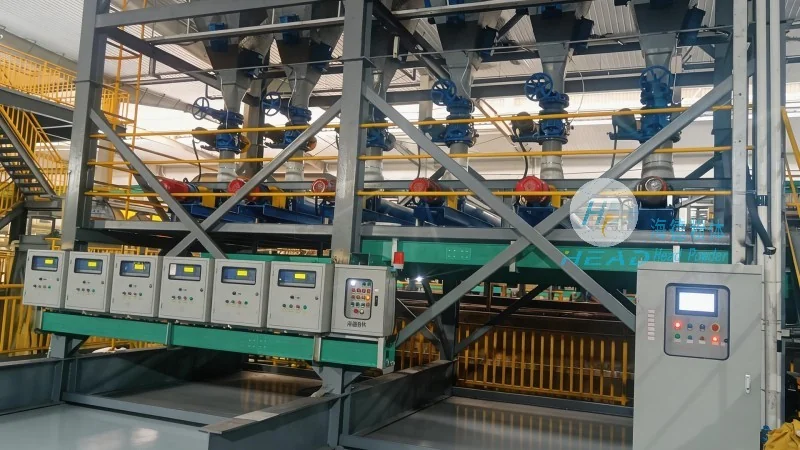
Conclusion and Company Overview
Pneumatic conveying systems have proven to be an effective and efficient method for transporting calcium powder in various industrial settings. The operation process involves the coordinated functioning of several components, including the material hopper, feeder, conveying line, air compressor, and control system, working together to move the powder from the source to the destination. The working principle is based on fluidization and suspension, where compressed air lifts and transports the powder particles through the pipeline. The advantages of using pneumatic conveying include reduced dust generation, improved material handling efficiency, flexibility, and lower maintenance requirements. The applications of this technology span across multiple industries, including food, pharmaceutical, construction, and chemical sectors.
Shandong HeadPowder Engineering Co., Ltd., a leading manufacturer in the field of pneumatic conveying systems, specializes in providing customized solutions for calcium powder and other bulk material transportation needs. With a focus on innovation and quality, the company offers advanced pneumatic conveying systems that are designed to meet the specific requirements of industrial applications. HeadPowder's expertise in material handling technology ensures that their systems are reliable, efficient, and durable, providing long-term value to their clients. Located in Shandong, China, HeadPowder leverages its local manufacturing capabilities and technical expertise to deliver high-quality pneumatic conveying solutions to customers worldwide. The company's commitment to customer satisfaction and product excellence has established it as a trusted partner in the bulk material handling industry.