

Operation Process and Working Principle of Sawdust Particle Pneumatic Conveying
HeadPowder, a leading engineering firm based in Shandong, China, specializes in the design and implementation of pneumatic conveying systems for sawdust particles. This article provides a detailed overview of the operational process and working principles behind such systems, highlighting the technical aspects and practical applications that define efficient material handling in industrial settings.
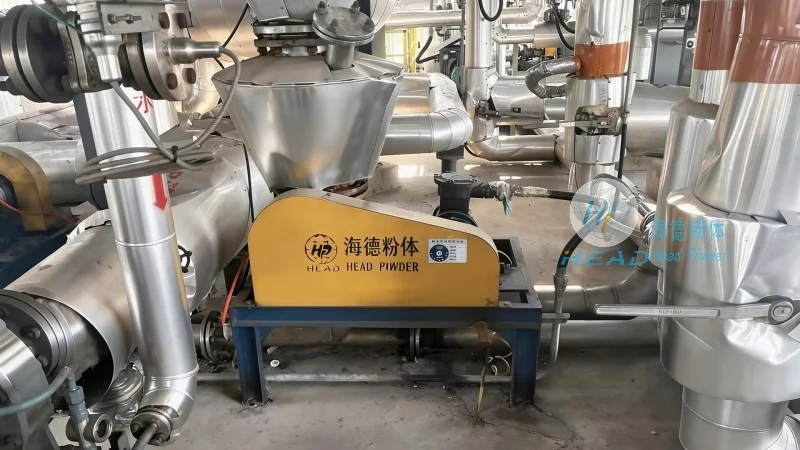
Understanding the Operation Process of Pneumatic Conveying for Sawdust
The operation of a sawdust particle pneumatic conveying system involves several key stages, each critical to ensuring the smooth and reliable transport of material. The process begins with the feeding of sawdust into the system, where it is introduced into a pipeline or duct. From there, the material is propelled by a stream of air, which can be either under pressure (positive pressure) or in a vacuum (negative pressure). The choice of pressure type depends on the specific requirements of the application, such as the distance to be covered and the nature of the sawdust particles.
Working Principle of Pneumatic Conveying Systems
The core principle behind pneumatic conveying is the use of air to create a flow that transports the sawdust particles. In positive pressure systems, a blower or compressor generates a high-pressure air stream that pushes the material through the pipeline. The air velocity must be sufficient to overcome the gravitational forces acting on the particles and to maintain a stable flow. Conversely, in negative pressure systems, a vacuum pump draws air and material from the source, pulling them through the pipeline towards the destination. This method is often used for applications where dust control is a priority, as the system operates in a sealed environment.
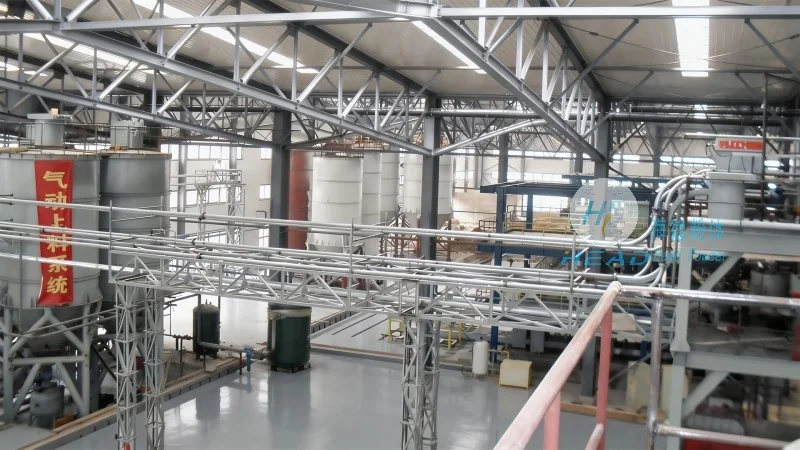
Key Components and Their Roles
Several components are integral to the effective operation of a sawdust particle pneumatic conveying system. These include the material feeder, which ensures a consistent flow of sawdust into the system; the air supply unit (blower or compressor); the conveying pipeline, which may include bends, expansions, and reductions to accommodate changes in direction and flow; and the receiving hopper or silo, where the material is deposited. Additionally, filters and cyclones are often incorporated to separate the sawdust from the air stream, ensuring that the material is delivered in a clean, dust-free state.
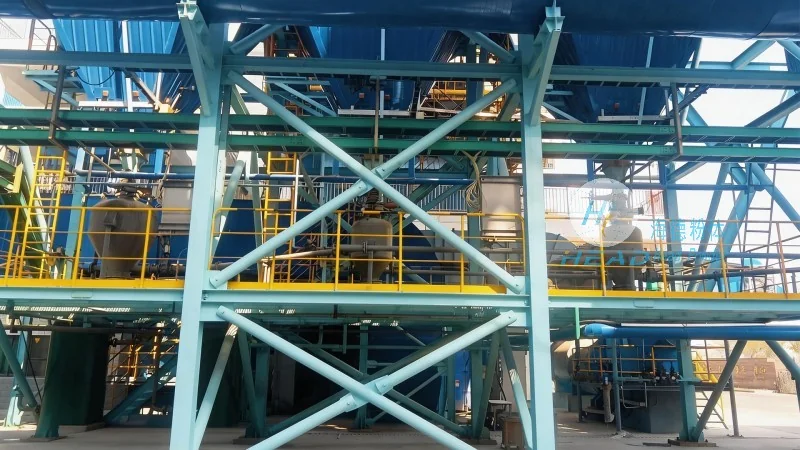
Advantages of Pneumatic Conveying for Sawdust Handling
Implementing a pneumatic conveying system for sawdust offers numerous advantages over traditional methods like belt conveyors or bucket elevators. One of the primary benefits is the ability to transport material over long distances without the need for multiple transfer points, which reduces downtime and operational complexity. The system also provides a high degree of flexibility, allowing for changes in the layout or flow direction with minimal modifications. Furthermore, pneumatic conveying is effective in handling fine or abrasive materials like sawdust, which can cause wear and tear on mechanical components in other systems. The enclosed nature of the system also helps in controlling dust emissions, contributing to a safer and more environmentally friendly operation.
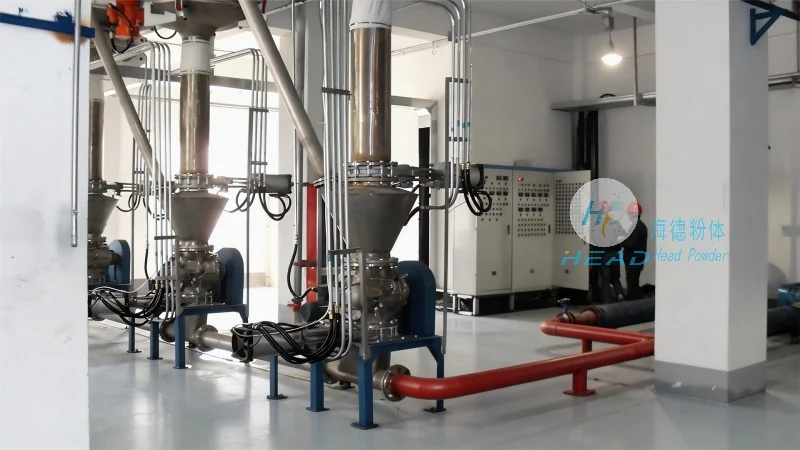
Applications and Industries
Sawdust particle pneumatic conveying systems are widely used across various industries, including woodworking, paper manufacturing, and biomass energy production. In the woodworking industry, these systems are employed to transport sawdust from sawmills to storage facilities or to processing plants where it may be used as a raw material for particleboard or other composite products. In the paper industry, sawdust is often used as a filler or fuel, and pneumatic conveying ensures efficient transport from the sawmill to the paper mill. The biomass energy sector also benefits from these systems, as sawdust can be used as a renewable fuel source, and the efficient transport of this material is crucial for the operation of biomass power plants.
Conclusion and Company Expertise
HeadPowder Engineering Co., Ltd., with its headquarters in Shandong, China, is a trusted provider of pneumatic conveying solutions tailored to the specific needs of sawdust handling. By leveraging advanced engineering and a deep understanding of material flow dynamics, the company designs and implements systems that optimize efficiency, reliability, and safety. Whether for short or long-distance transport, positive or negative pressure systems, HeadPowder delivers solutions that meet the highest standards in the industry. With a commitment to innovation and customer satisfaction, HeadPowder continues to be a leader in the field of pneumatic conveying technology, helping businesses streamline their material handling processes and enhance operational performance.