

Operation Process and Working Principle of Cement Raw Material Pneumatic Conveying
For industrial applications, especially in the cement manufacturing sector, efficient material handling is crucial for maintaining production efficiency and reducing operational costs. Pneumatic conveying systems offer a reliable solution for transporting bulk materials like cement raw materials. This article provides an in-depth look at the operation process and working principle of such systems, highlighting the technical aspects and practical applications.
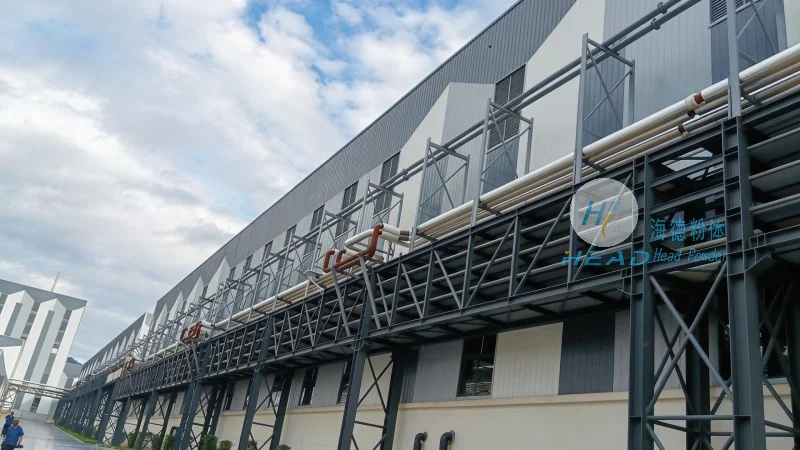
Company Overview: Shandong HeadPowder Engineering Co., Ltd.
HeadPowder, a leading engineering company based in Shandong, China, specializes in the design, manufacturing, and installation of advanced material handling solutions. With years of experience in the industry, HeadPowder has established itself as a trusted partner for businesses seeking to optimize their material transport processes. The company's expertise lies in developing customized pneumatic conveying systems tailored to meet the specific needs of clients in the cement and related industries.
Understanding Pneumatic Conveying Technology
Pneumatic conveying, also known as air conveying, is a method of transporting bulk materials through a pipeline using compressed air. In the context of cement raw materials, this technology is widely used to move raw materials such as limestone, clay, and iron ore from storage silos to the processing units. The system operates by creating a pressure differential within the pipeline, which draws the material into the conveying line and transports it to the destination.
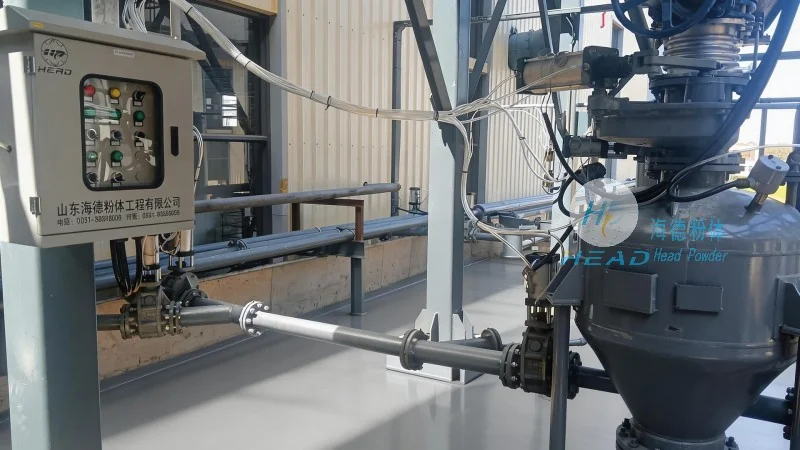
The Operation Process of Cement Raw Material Pneumatic Conveying
The operation process of a cement raw material pneumatic conveying system involves several key steps. First, the raw materials are stored in silos or hoppers. Then, a feeder device, such as a rotary valve or a screw feeder, introduces the material into the conveying line. Compressed air, generated by a blower or a compressor, is introduced into the pipeline, creating a flow that propels the material forward. The material is carried in the form of a slurry or a dense phase flow, depending on the system design. The conveying line may include bends, expansions, and filters to ensure smooth transport and prevent material deposition. Finally, the material is discharged at the receiving end, typically into a storage or processing vessel.
Working Principle of the System Components
The effectiveness of a pneumatic conveying system for cement raw materials depends on the proper functioning of its key components. The blower or compressor provides the necessary air pressure and volume to move the material. The feeder controls the flow rate of the raw material, ensuring a consistent supply to the conveying line. The pipeline system, made of durable materials like stainless steel or carbon steel, must be designed to withstand the pressure and abrasion from the material. Filters are used to remove any fine particles or dust from the air, maintaining air quality and preventing system blockages. The control system monitors and regulates the operation of the blower, feeder, and other components to ensure optimal performance.
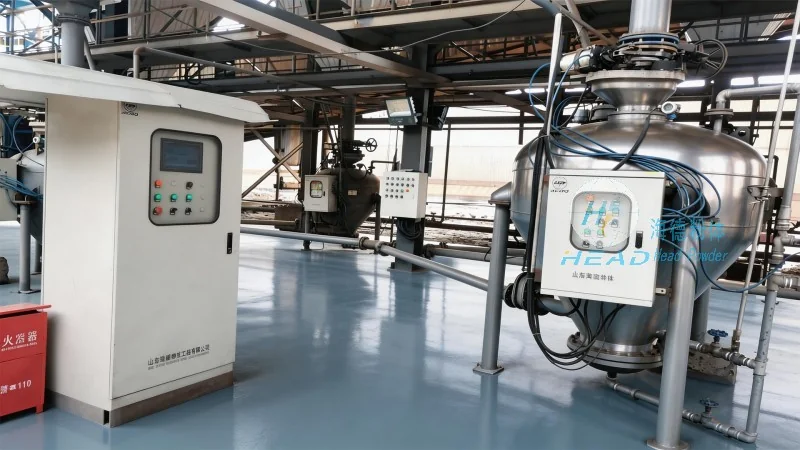
Advantages of Pneumatic Conveying for Cement Raw Materials
Implementing a pneumatic conveying system for cement raw materials offers several advantages. Firstly, it provides a dust-free and clean transport process, which is essential for maintaining a safe and healthy working environment. Secondly, the system is highly efficient, with minimal material loss and low maintenance requirements. Thirdly, it allows for the integration of multiple material sources and destinations, improving operational flexibility. Additionally, pneumatic conveying systems can be designed to handle a wide range of material properties, including different particle sizes and moisture content. These benefits make pneumatic conveying an attractive option for cement manufacturers looking to enhance their production efficiency and reduce operational costs.
Customization and Application in Cement Plants
HeadPowder, as a specialized engineering company, offers customized pneumatic conveying solutions tailored to the specific requirements of cement plants. The company's engineers work closely with clients to assess their material handling needs, including the type and quantity of raw materials, the distance of transport, and the desired discharge location. Based on this assessment, HeadPowder designs and manufactures a system that meets the client's specifications. The company's expertise in material flow dynamics and system design ensures that the final solution is efficient, reliable, and cost-effective. HeadPowder's pneumatic conveying systems are widely used in cement plants across China and other regions, helping clients achieve improved production efficiency and reduced downtime.