

Operation Process and Working Principle of Pneumatic Conveying for Fused Silica Aerated Beads
HeadPowder, a leading enterprise in the field of lightweight aggregate materials, specializes in the production and application of fused silica aerated beads. This article provides a detailed overview of the operation process and working principle of pneumatic conveying systems designed for these beads, offering insights into the technical aspects and operational efficiency of such systems.
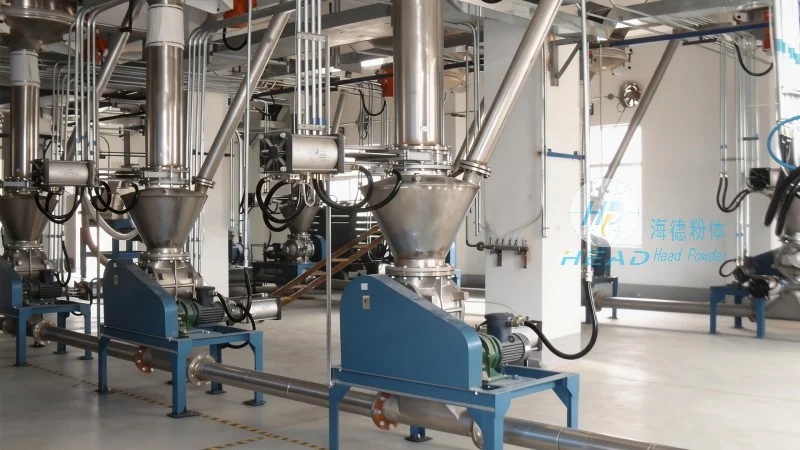
Company Profile: Shandong HeadPowder Engineering Co., Ltd.
HeadPowder, with its headquarters located in Shandong, China, is dedicated to advancing the technology and application of high-quality building materials. The company focuses on developing and manufacturing fused silica aerated beads, which are widely used in construction, insulation, and other industrial sectors due to their excellent thermal insulation properties and lightweight characteristics. As a professional manufacturer, HeadPowder ensures that its products meet stringent quality standards and are suitable for various pneumatic conveying applications.
Understanding Pneumatic Conveying Systems for Fused Silica Aerated Beads
Pneumatic conveying is a method of transporting bulk materials, such as fused silica aerated beads, through a pipeline using air or gas as the conveying medium. This technology offers several advantages over traditional mechanical conveying methods, including reduced equipment wear, lower maintenance costs, and the ability to transport materials over long distances without the need for intermediate storage or handling. The operation of a pneumatic conveying system for fused silica aerated beads involves several key components and steps that work in tandem to ensure efficient material transport.
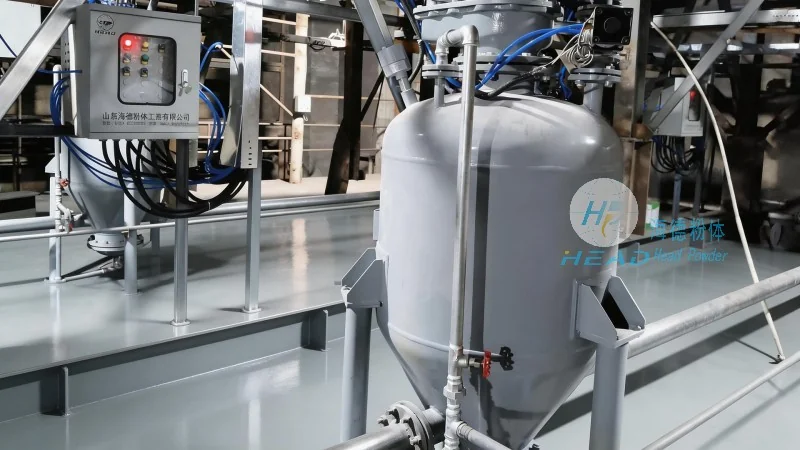
The Working Principle of Pneumatic Conveying
The core principle of pneumatic conveying for fused silica aerated beads is the use of differential pressure to move the material through a pipeline. The system typically consists of a hopper or feeder, a conveying line, a venturi or pressure drop device, and a receiver or discharge unit. The process begins with the material being fed from the hopper into the conveying line. As air or gas is introduced into the line, it creates a low-pressure zone that draws the beads into the flow. The combination of air velocity and the particle's size and density determines the conveying velocity and efficiency. The venturi or pressure drop device is crucial as it generates the necessary pressure differential to maintain the material in suspension and prevent clogging or blockages in the pipeline.
Operation Process of Pneumatic Conveying for Fused Silica Aerated Beads
The operation process of a pneumatic conveying system for fused silica aerated beads can be broken down into several sequential steps. First, the material is loaded into the hopper or storage silo. The feeder then regulates the flow rate of the beads into the conveying line, ensuring a consistent and controlled feed. Next, the air or gas is supplied to the system, typically through a blower or compressor, creating the necessary pressure and velocity in the pipeline. As the beads enter the conveying line, they are suspended in the air stream and transported to the discharge point. The receiver or discharge unit collects the material and may include a dust collection system to ensure environmental compliance and material purity. Throughout the process, the system monitors parameters such as pressure, flow rate, and temperature to maintain optimal performance and prevent operational issues.
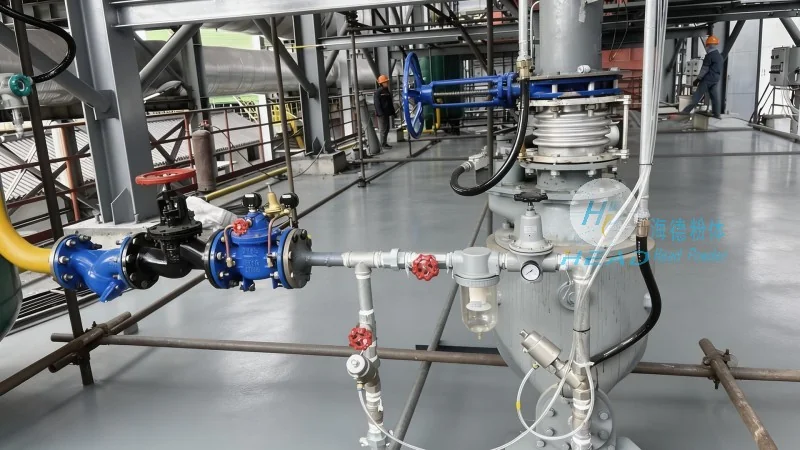
Key Factors Influencing Pneumatic Conveying Efficiency
Several factors play a critical role in the efficiency of pneumatic conveying systems for fused silica aerated beads. The particle size and shape of the beads affect the air velocity required for suspension, as smaller or irregularly shaped particles may require higher velocities to prevent settling. The density and bulk density of the material also impact the conveying capacity and energy consumption. Additionally, the pipeline diameter and length influence the pressure drop and overall system performance. Proper design and maintenance of the system components, such as the feeder, venturi, and receiver, are essential to minimize energy losses and maximize conveying efficiency. HeadPowder's expertise in material properties and system design ensures that its pneumatic conveying solutions are optimized for the specific characteristics of fused silica aerated beads, leading to reliable and efficient material transport.
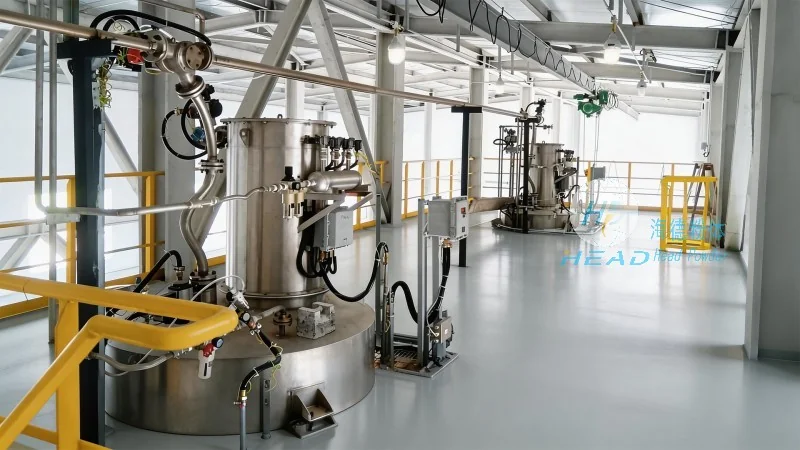
Applications and Benefits of Pneumatic Conveying in Construction and Insulation Industries
The efficient transport of fused silica aerated beads via pneumatic conveying systems is vital for their application in various industries, particularly construction and insulation. These beads are commonly used as lightweight aggregates in concrete and plaster, where their low density and thermal insulation properties enhance the performance of building materials. Pneumatic conveying allows for the seamless transfer of these beads from storage to production facilities, ensuring consistent quality and reducing downtime. The benefits of this technology include improved material handling, reduced labor costs, and enhanced safety by minimizing manual handling of bulk materials. HeadPowder's commitment to quality and innovation has made its pneumatic conveying systems a preferred choice for manufacturers and contractors in the construction and insulation sectors.
Conclusion
In conclusion, the operation process and working principle of pneumatic conveying systems for fused silica aerated beads are complex yet efficient methods for transporting bulk materials. HeadPowder, with its professional approach and technical expertise, provides reliable solutions that meet the demands of modern construction and insulation applications. By understanding the key components and operational steps of such systems, users can optimize their material handling processes and enhance overall productivity. The continued development and application of pneumatic conveying technology, as exemplified by HeadPowder's offerings, contribute to the advancement of building materials and industrial processes.