

Operation Process and Working Principle of Fly Ash Particle Pneumatic Conveying
Understanding the operation process and working principle of fly ash particle pneumatic conveying systems is crucial for optimizing material handling in industrial applications. These systems are designed to transport fine particles like fly ash efficiently and reliably, playing a vital role in various industrial processes. The technology behind these systems combines pneumatic principles with mechanical components to ensure smooth material transfer, minimizing downtime and enhancing overall operational efficiency.
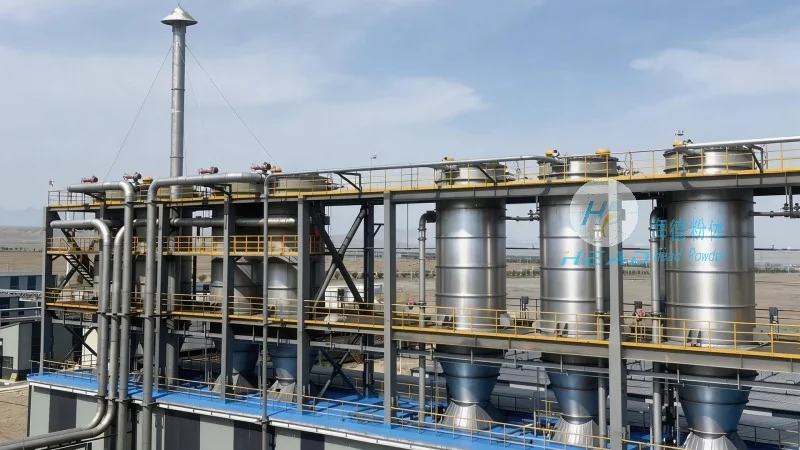
Key Components and Their Roles
The effectiveness of a fly ash particle pneumatic conveying system relies on several key components that work in tandem. The primary components include the material hopper, which serves as the storage and feeding unit; the conveying line, which transports the material under pressure; the air compressor or blower, which generates the necessary airflow; and the control system, which regulates the entire process. Each component is engineered to handle the specific characteristics of fly ash, such as its fine particle size and potential for dust generation, ensuring safe and efficient operation.
Operation Process of Fly Ash Pneumatic Conveying
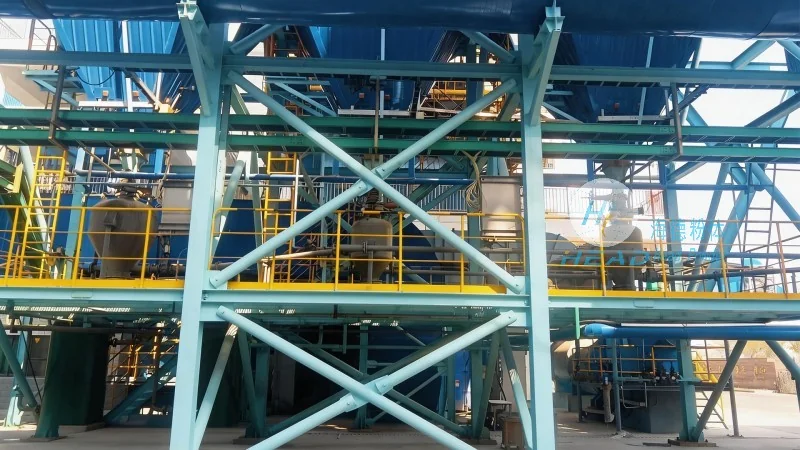
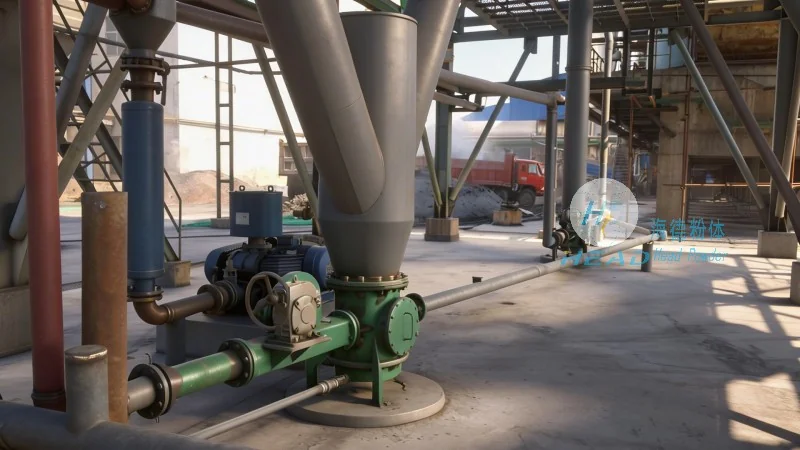
The operation process of fly ash particle pneumatic conveying typically involves several sequential steps. First, the fly ash is fed into the material hopper from the storage silo or container. The hopper is equipped with a feeder mechanism, such as a rotary valve or screw feeder, which controls the flow rate of the material into the conveying line. Simultaneously, the air compressor or blower starts operating, generating a high-pressure airflow that moves through the conveying line. The airflow carries the fly ash particles from the hopper to the destination point, such as a storage silo or processing unit. The control system monitors the pressure, flow rate, and material level in real-time, adjusting the feeder speed and airflow as needed to maintain consistent performance. This continuous process ensures that the fly ash is transported without blockages or excessive pressure drops, which could lead to system inefficiencies.
Working Principle of Pneumatic Conveying Technology
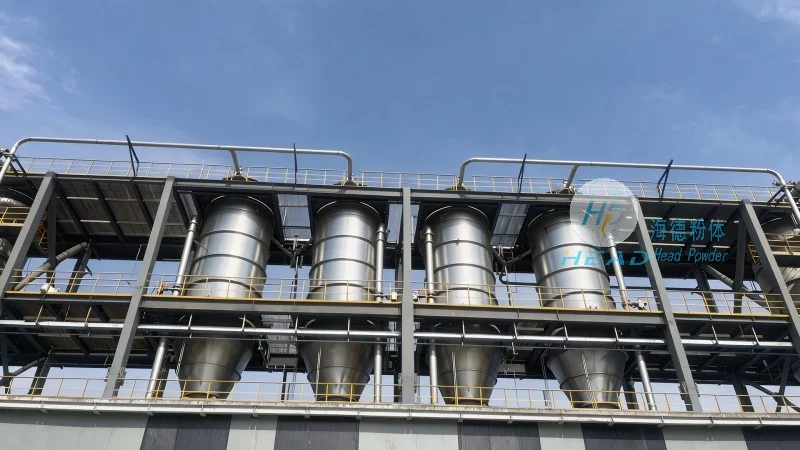
The working principle of fly ash particle pneumatic conveying is based on the fundamental concept of fluidization and particle suspension. When the high-pressure air flows through the conveying line, it creates a low-pressure zone that draws the fly ash particles into the air stream. The air velocity is maintained at a level sufficient to keep the particles suspended and prevent them from settling or clogging the line. This suspension is achieved by balancing the gravitational force acting on the particles with the upward force exerted by the airflow. The system uses either positive pressure or negative pressure (or a combination of both) to move the material, depending on the specific application and layout. Positive pressure systems are commonly used for long-distance or multi-point delivery, as they can maintain consistent pressure and airflow throughout the conveying line. Negative pressure systems, on the other hand, are suitable for short-distance or local transfer, as they help contain dust and minimize environmental impact.
Advantages of Pneumatic Conveying for Fly Ash Handling
Implementing a pneumatic conveying system for fly ash handling offers several advantages over traditional methods like belt conveyors or bucket elevators. One of the primary benefits is the ability to handle fine particles without the need for additional equipment like screens or classifiers. This reduces the risk of material degradation and ensures that the fly ash remains in its original form, which is critical for downstream processes like cement production or waste management. Additionally, pneumatic conveying systems are more flexible in terms of layout, allowing for horizontal, vertical, or inclined transport, and can be easily integrated into existing industrial facilities. The enclosed nature of the system also helps in controlling dust emissions, improving workplace safety and environmental compliance. Furthermore, these systems can operate with lower maintenance requirements compared to mechanical systems, as there are fewer moving parts that can wear out or require frequent replacement.
Application Examples and Industrial Use Cases
Fly ash particle pneumatic conveying systems are widely used in various industrial sectors, particularly in the cement, power generation, and construction industries. In power plants, these systems are used to transport fly ash from the boiler to the storage silos or for reuse in cement production. The ability to handle large volumes of fly ash efficiently makes them ideal for power generation facilities, where the volume of ash produced is substantial. In the cement industry, fly ash is often used as a supplementary cementitious material (SCM), and pneumatic conveying systems ensure that it is delivered to the cement grinding plants without any loss or contamination. The construction industry also benefits from these systems, as they can transport fly ash to construction sites for use in concrete production, reducing the environmental impact by utilizing a byproduct of power generation.
Conclusion and Company Overview
Understanding the operation process and working principle of fly ash particle pneumatic conveying systems is essential for optimizing material handling in industrial applications. The technology, as exemplified by the solutions provided by Shandong HeadPowder Engineering Co., Ltd. (headpowder), combines advanced engineering with practical application to ensure efficient and reliable transport of fly ash. By leveraging pneumatic conveying principles, these systems offer significant advantages over traditional methods, including flexibility, reduced maintenance, and improved environmental control. As industries continue to seek more efficient and sustainable material handling solutions, the role of fly ash particle pneumatic conveying systems will remain critical in the future of industrial operations.