

Operation Process and Working Principle of Catalyst Powder Pneumatic Conveying
Shandong HeadPowder Engineering Co., Ltd., commonly known as headpowder, specializes in the design, manufacturing, and implementation of advanced pneumatic conveying systems for catalyst powders. These systems are critical in industrial processes where the efficient and safe transport of catalyst materials is essential. The company, based in Shandong, China, leverages decades of experience to deliver solutions that meet the stringent requirements of modern chemical and petrochemical industries.
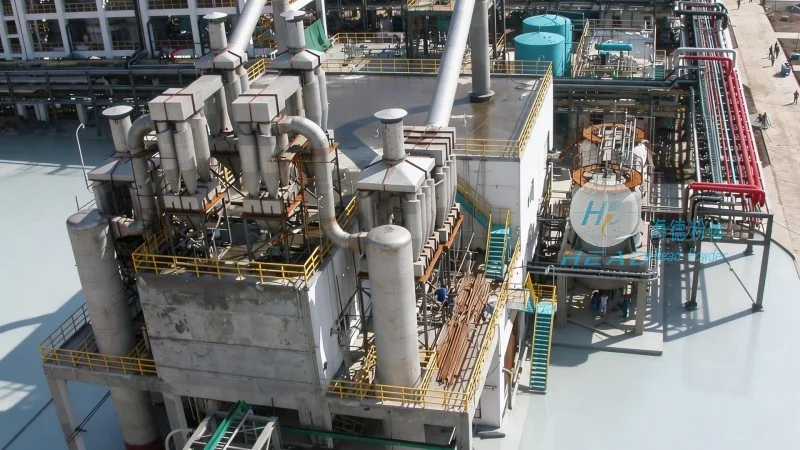
Understanding Pneumatic Conveying for Catalyst Powders
Catalyst powders, often used in refining and chemical synthesis, require specialized handling due to their fine particle size and potential reactivity. Pneumatic conveying offers a non-contact, low-maintenance method to transport these materials from storage to processing units. The system typically involves a hopper, a conveying line, and a receiver, all integrated to ensure consistent flow and minimal product degradation.
The Operation Process of Catalyst Powder Pneumatic Conveying
The operation of a catalyst powder pneumatic conveying system follows a systematic sequence. First, the catalyst powder is fed from a storage silo or hopper into the conveying line. A blower or compressor generates the necessary air pressure to move the powder through the pipeline. The powder is suspended in the air stream, traveling from the source to the destination. At the receiving end, the powder is separated from the air, often using a cyclone or filter, and collected in a designated container. This process ensures that the catalyst remains intact and free from contamination throughout the transport.
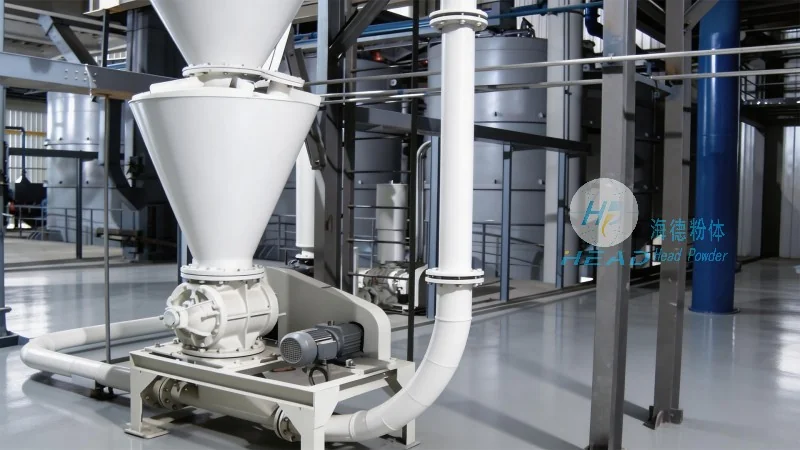
Working Principle of the Pneumatic Conveying System
The core principle of pneumatic conveying for catalyst powders is the creation of a fluidized or suspended flow of particles within a gas stream. The system operates under either positive or negative pressure, depending on the application. In positive pressure systems, air is forced into the conveying line, pushing the powder forward. Negative pressure systems, also known as vacuum systems, draw the powder into the line using a vacuum created by the blower. The design of the conveying line, including the diameter, length, and bends, is optimized to minimize pressure drop and ensure smooth flow. Additionally, the velocity of the air and the particle size distribution are carefully controlled to prevent clogging and maintain system efficiency.
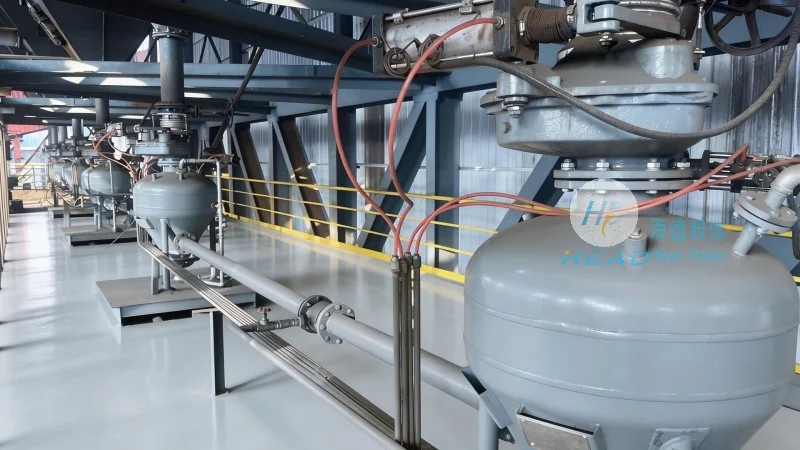
Key Components and Their Functions
Several key components work together to ensure the efficient operation of a catalyst powder pneumatic conveying system. The hopper or feeder is responsible for supplying the powder to the system, maintaining a consistent flow rate. The blower or compressor provides the necessary air pressure, with adjustable speed to match the conveying requirements. The conveying line, typically made of stainless steel or other corrosion-resistant materials, is designed to handle the abrasive nature of catalyst powders. The receiver or separator is crucial for separating the powder from the air, using mechanisms like cyclones or bag filters. Finally, the control system monitors and regulates the entire process, ensuring optimal performance and safety.
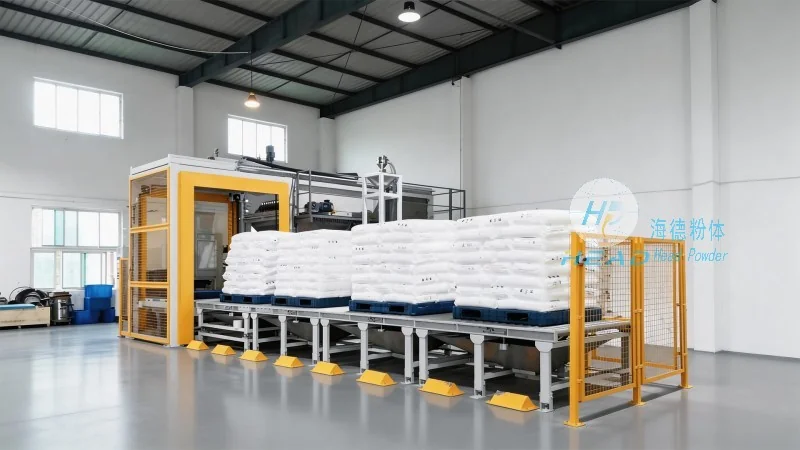
Advantages of Using Pneumatic Conveying for Catalyst Powders
Implementing a pneumatic conveying system for catalyst powders offers several advantages over traditional methods. First, it eliminates the need for mechanical conveyors, reducing wear and tear on equipment. Second, it provides a hygienic and dust-free environment, which is critical for catalysts that may be sensitive to moisture or contamination. Third, the system can handle a wide range of particle sizes and flow rates, making it versatile for various industrial applications. Additionally, the non-contact nature of the process minimizes product degradation, preserving the catalyst's effectiveness. These benefits contribute to improved operational efficiency and cost savings for industrial facilities.
Applications in Industrial Settings
Catalyst powder pneumatic conveying systems are widely used in various industrial sectors. In the petrochemical industry, they are essential for transporting catalysts to reactors and distillation units. In the chemical manufacturing industry, these systems are used in the production of fertilizers, pharmaceuticals, and other chemicals. The systems are also applied in environmental applications, such as the transport of catalysts for wastewater treatment. Regardless of the industry, the consistent and reliable performance of the system ensures that production processes run smoothly and efficiently.