

Operation Process and Working Principle of Phosphorus Pentoxide Pneumatic Conveying
Phosphorus pentoxide, a critical chemical compound widely used in industrial applications, often requires efficient and reliable material handling solutions. Pneumatic conveying systems have emerged as a preferred method for transporting this substance due to their ability to handle fine powders and ensure minimal contamination. This article explores the operation process and working principles of phosphorus pentoxide pneumatic conveying, highlighting the key components, operational steps, and technical considerations involved in the process.
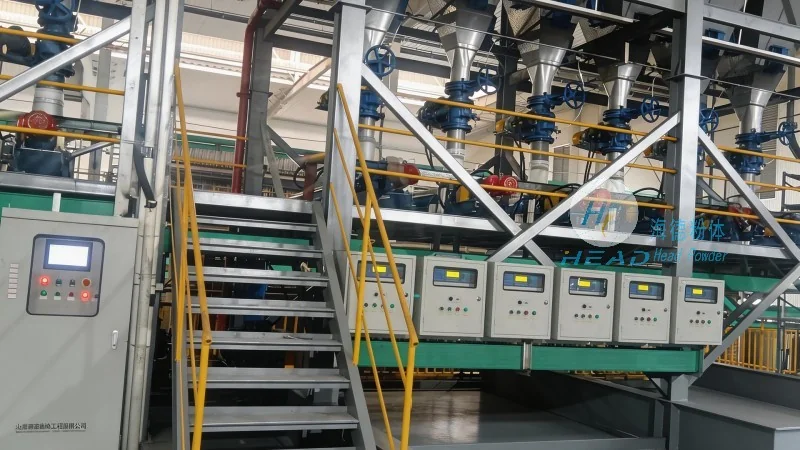
Introduction to Phosphorus Pentoxide and Pneumatic Conveying
Phosphorus pentoxide (P₂O₅), also known as diphosphorus pentoxide, is an anhydrous form of phosphoric acid and is widely utilized in the production of fertilizers, pharmaceuticals, and specialty chemicals. Due to its hygroscopic nature and fine particle size, handling phosphorus pentoxide requires specialized equipment to prevent caking, agglomeration, and loss of material. Pneumatic conveying, which uses air or other gases to transport bulk materials through a pipeline system, offers a dry and clean method for moving this sensitive substance. The process involves the use of a blower or compressor to generate airflow, which then carries the phosphorus pentoxide particles through the conveying line to the destination point.
About Shandong HeadPowder Engineering Co., Ltd.
Shandong HeadPowder Engineering Co., Ltd., operating under the brand name headpowder, is a leading manufacturer and supplier of advanced material handling solutions. With a strong focus on innovation and customer satisfaction, the company specializes in designing and manufacturing pneumatic conveying systems tailored to the unique needs of various industries. HeadPowder's expertise lies in understanding the challenges associated with handling fine powders like phosphorus pentoxide and developing customized solutions that ensure efficient, safe, and cost-effective material transport. The company's facilities are equipped with state-of-the-art technology and adheres to international quality standards, ensuring that every product meets the highest performance and reliability criteria.
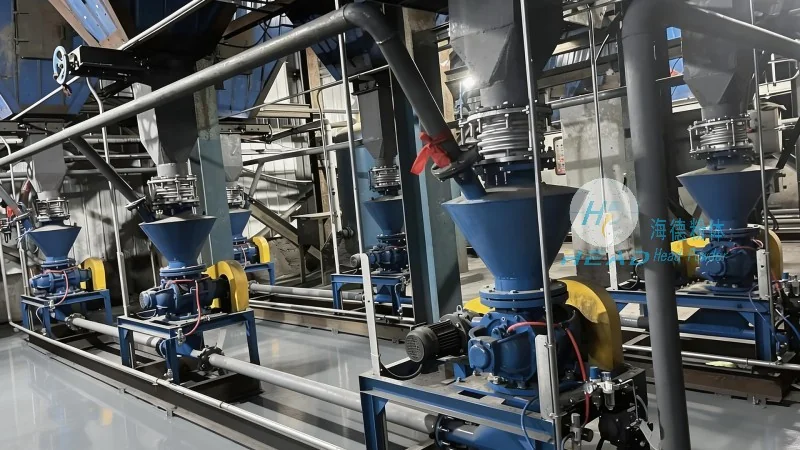
Key Components of a Phosphorus Pentoxide Pneumatic Conveying System
A typical phosphorus pentoxide pneumatic conveying system consists of several essential components that work in tandem to achieve efficient material transport. The primary components include a feeding device, a conveying line, a receiver, and a dust collection system. The feeding device, such as a rotary valve or a screw feeder, is responsible for introducing the phosphorus pentoxide powder into the conveying line at a controlled rate. The conveying line, usually made of stainless steel or other corrosion-resistant materials, is designed to withstand the chemical properties of the phosphorus pentoxide and prevent material degradation. The receiver, often a hopper or a storage tank, collects the conveyed material at the destination point. Additionally, a dust collection system, including filters and cyclones, is integrated to capture any fine particles that may escape during the conveying process, ensuring environmental compliance and product purity.
Operation Process of Phosphorus Pentoxide Pneumatic Conveying
The operation process of a phosphorus pentoxide pneumatic conveying system involves several sequential steps that ensure smooth and continuous material transport. The process begins with the preparation of the material, where the phosphorus pentoxide powder is properly stored and prepared to avoid moisture absorption or agglomeration. Next, the feeding device is activated to introduce the powder into the conveying line at a controlled flow rate. Simultaneously, the blower or compressor generates the necessary airflow, which is directed into the conveying line to create a positive pressure environment. As the air flows through the line, it picks up the phosphorus pentoxide particles and transports them to the receiver. The airflow velocity is carefully controlled to ensure that the particles are carried without causing excessive wear on the system components or creating blockages. Upon reaching the receiver, the material is deposited, and the system continues to operate until the desired quantity is transported. The entire process is monitored by sensors and control systems that adjust the airflow and feeding rate as needed to maintain optimal performance.
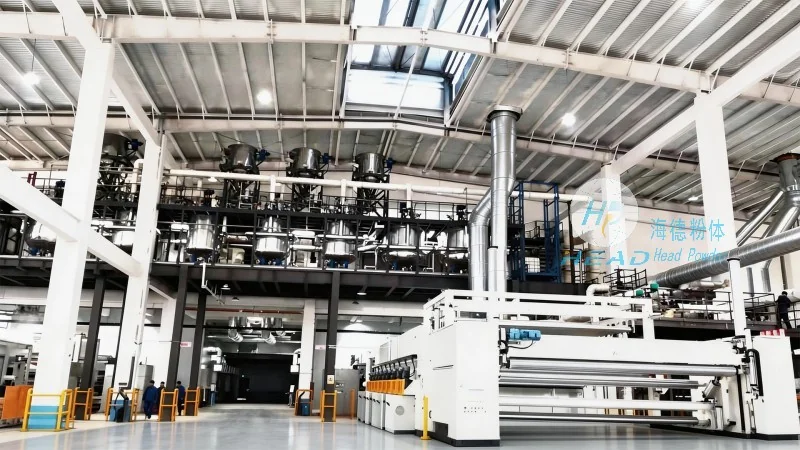
Working Principles of Pneumatic Conveying for Phosphorus Pentoxide
The working principle of pneumatic conveying for phosphorus pentoxide is based on the fundamental concept of fluidization and suspension of particles in a gas stream. When the air is introduced into the conveying line at a sufficient velocity, it creates a turbulent flow that lifts the phosphorus pentoxide particles and keeps them suspended. The key to effective conveying is maintaining the correct air velocity and pressure to ensure that the particles remain in suspension without settling or causing blockages. The system operates under either positive pressure (pressure conveying) or negative pressure (vacuum conveying), depending on the application requirements. Positive pressure systems are commonly used for long-distance or high-volume conveying, as they can handle larger quantities of material and maintain consistent airflow. Negative pressure systems, on the other hand, are suitable for applications where dust control and environmental protection are critical, as they create a sealed system that prevents material leakage. The choice of system type depends on factors such as the distance between the source and destination, the material characteristics, and the environmental regulations in place.
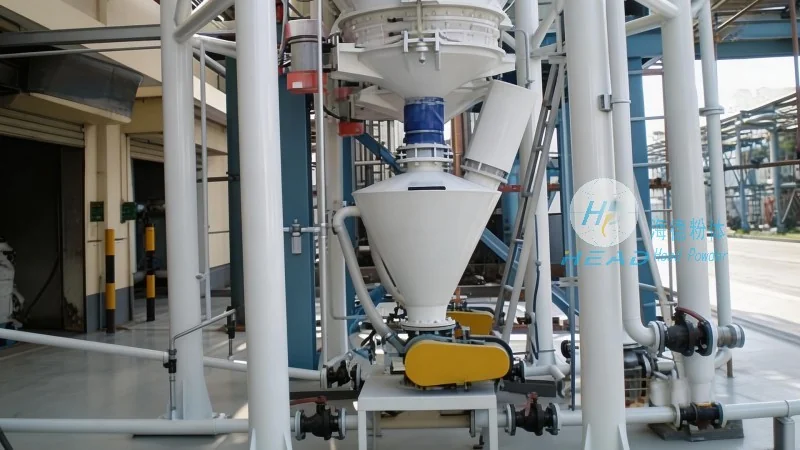
Technical Considerations and Best Practices
When implementing a phosphorus pentoxide pneumatic conveying system, several technical considerations must be taken into account to ensure optimal performance and longevity. First, the material properties of phosphorus pentoxide, such as its hygroscopicity and fine particle size, require the use of corrosion-resistant materials for the conveying line and components to prevent chemical degradation. Stainless steel or special alloys are commonly used to withstand the acidic nature of the material. Second, the system must be designed to handle the potential for caking or agglomeration, which can occur due to moisture absorption or temperature changes. Proper drying and temperature control measures are essential to maintain the material's flowability. Third, the airflow velocity must be carefully optimized to balance the need for efficient transport with the risk of excessive wear on the system components. High airflow velocities can increase the risk of equipment wear and energy consumption, while low velocities may lead to material settling and blockages. Additionally, regular maintenance and cleaning of the system are crucial to prevent material buildup and ensure consistent performance. HeadPowder recommends conducting regular inspections of the conveying line, filters, and feeding devices to identify and address any issues before they escalate into major problems.
Applications and Benefits of Phosphorus Pentoxide Pneumatic Conveying
Phosphorus pentoxide pneumatic conveying systems are widely used in various industrial applications, including chemical manufacturing, pharmaceutical production, and food processing. The primary benefits of using pneumatic conveying for phosphorus pentoxide include improved safety, as the system operates in a closed environment, reducing the risk of dust explosions and exposure to the material. Additionally, the dry conveying method minimizes material contamination and degradation, ensuring that the product reaches its destination in optimal condition. The system also offers flexibility in terms of layout, as the conveying line can be easily reconfigured to accommodate changes in production processes or facility expansions. Furthermore, pneumatic conveying systems are energy-efficient compared to traditional methods like bucket elevators or belt conveyors, as they use compressed air to transport the material, reducing energy consumption and operational costs. HeadPowder's customized pneumatic conveying solutions have been successfully implemented in numerous industrial settings, providing clients with reliable and efficient material handling solutions that meet their specific requirements.