

Operation Process and Working Principle of Air-Driven Vinyl Ester Resin Transport
At Shandong HeadPowder Engineering Co., Ltd., we specialize in advanced material handling solutions, particularly in the efficient transport of vinyl ester resin using air-driven systems. This technology offers a reliable and versatile method for moving resin materials, which is crucial for industries requiring precise and controlled material transfer. The following sections detail the operational process and underlying principles of this air-driven transport system.
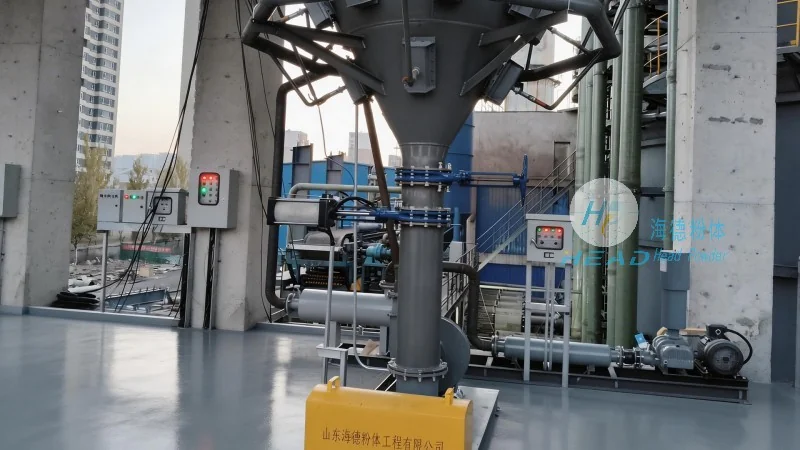
Key Components of the Air-Driven Transport System
The air-driven vinyl ester resin transport system comprises several critical components that work in tandem to ensure efficient material movement. These include high-pressure air compressors, transport pipelines, airlocks, and control valves. The high-pressure air compressor generates the necessary airflow to create a vacuum or pressure differential that propels the resin particles through the pipeline. The transport pipelines are typically made of durable materials such as stainless steel or specialized plastics to withstand the corrosive nature of vinyl ester resin and the high-pressure air environment. Airlocks are used to separate the material from the air stream, preventing backflow and ensuring a consistent flow rate. Control valves regulate the air pressure and flow rate, allowing operators to adjust the transport speed and volume as needed. Each component is designed to work together seamlessly, optimizing the overall performance of the system.
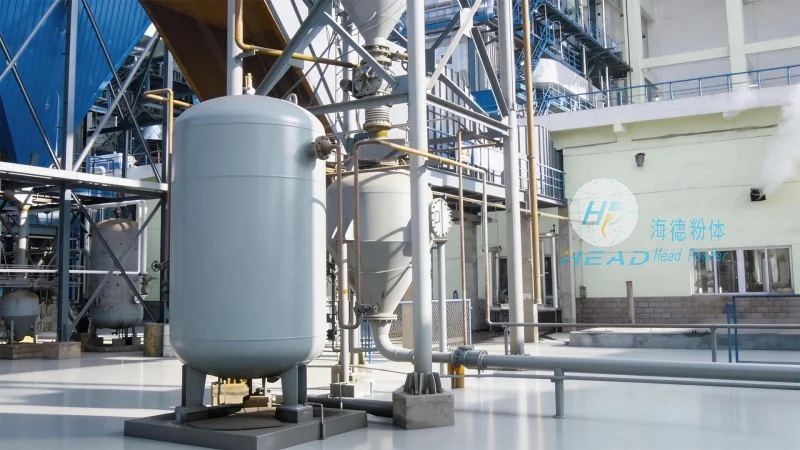
Operation Process of Air-Driven Vinyl Ester Resin Transport
The operation process of the air-driven vinyl ester resin transport system involves several sequential steps that ensure the resin is moved safely and efficiently from the source to the destination. The process begins with the resin being loaded into a hopper or storage tank. From there, the resin is fed into the transport pipeline via an airlock or feeder system. The high-pressure air compressor then activates, creating a pressure differential that draws the resin particles into the pipeline. As the air flows through the pipeline, it carries the resin particles along, maintaining a consistent velocity. The system uses a combination of positive and negative pressure to control the flow, ensuring that the resin moves without clogging or loss. The transport speed can be adjusted by modifying the air pressure or flow rate, allowing for flexibility in handling different resin types and quantities. The process concludes when the resin reaches the destination point, where it is discharged into a receiving tank or processing unit. Throughout the operation, the system is monitored for pressure, flow rate, and any potential blockages, ensuring continuous and reliable performance.
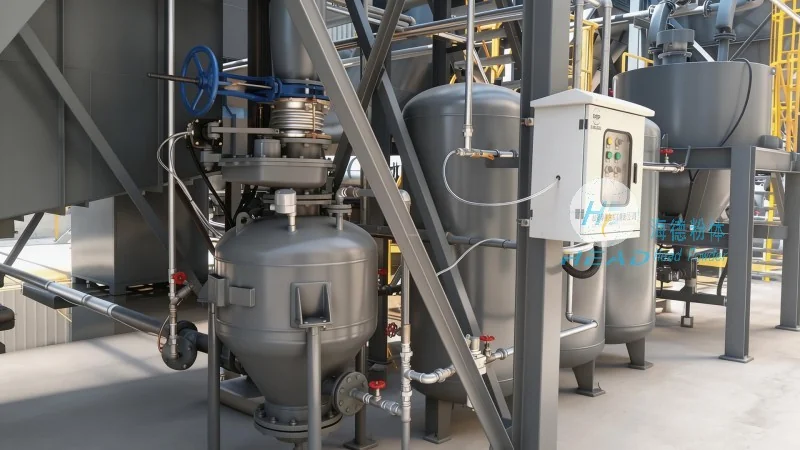
Working Principle of Air-Driven Vinyl Ester Resin Transport
The working principle of the air-driven vinyl ester resin transport system is based on the fundamental principles of fluid dynamics and air pressure. The system operates by creating a pressure difference between the source and destination points, which propels the resin particles through the pipeline. The high-pressure air compressor generates a stream of air that enters the pipeline, creating a low-pressure zone behind it. This pressure differential causes the resin particles to be drawn into the air stream, where they are carried along by the airflow. The velocity of the air and the size of the resin particles determine the transport efficiency. Smaller particles are more easily entrained by the air, while larger particles may require higher air velocities or additional airlocks to ensure proper transport. The system also utilizes airlocks to separate the material from the air, preventing the resin from being discharged directly into the air and ensuring that the material is contained within the pipeline. This separation is crucial for maintaining the quality of the resin and preventing contamination. The control valves play a vital role in regulating the pressure and flow rate, allowing for precise control over the transport process. By adjusting these parameters, operators can optimize the system for different resin types, ensuring that the transport is efficient and cost-effective.
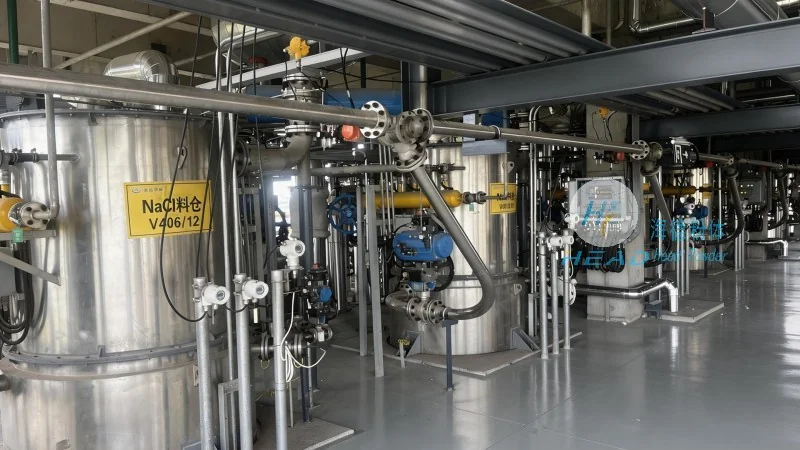
Advantages of Air-Driven Vinyl Ester Resin Transport
Compared to traditional transport methods such as conveyor belts or trucks, air-driven vinyl ester resin transport offers several significant advantages. One of the primary benefits is the ability to transport resin in a closed system, which minimizes exposure to air and moisture, thereby preserving the quality of the resin. This is particularly important for vinyl ester resin, which is sensitive to environmental factors and can degrade if exposed to air for extended periods. The closed system also reduces the risk of dust emissions and improves workplace safety. Another advantage is the flexibility of the system, which allows for easy integration with existing production lines and facilities. The air-driven system can be installed in various configurations, including vertical, horizontal, or inclined pipelines, making it suitable for a wide range of applications. Additionally, the system is relatively low maintenance, as it has fewer moving parts compared to mechanical conveyors. The air-driven transport also offers higher efficiency in terms of energy consumption, as the air compressor can be optimized to operate at peak efficiency. This results in lower operational costs and reduced environmental impact. Overall, the air-driven vinyl ester resin transport system provides a reliable, efficient, and cost-effective solution for industries requiring precise and controlled material transfer of vinyl ester resin.