

Operating Process and Working Principle of Polyvinyl Butyral Pneumatic Conveying
Polyvinyl butyral (PVB) is a widely used polymer in various industrial applications, and its efficient handling often relies on pneumatic conveying systems. The operation of PVB pneumatic conveying involves a series of steps that ensure the material is transported safely and effectively. This article explores the operating process and working principle of PVB pneumatic conveying, highlighting the key components and mechanisms involved.
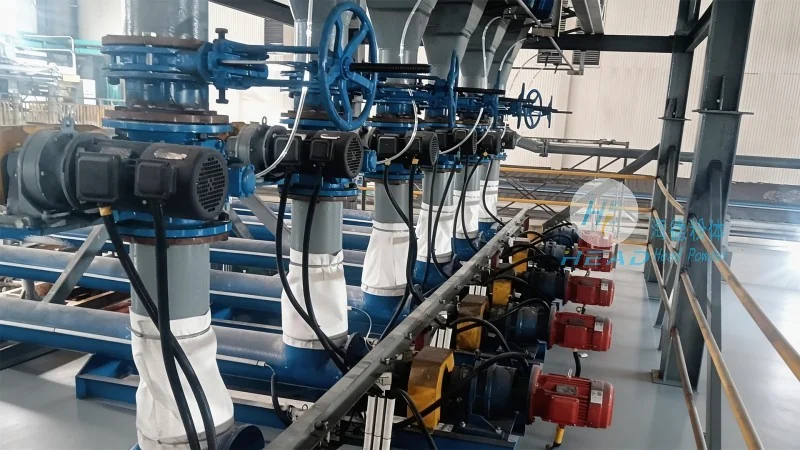
Key Components of the PVB Pneumatic Conveying System
The PVB pneumatic conveying system typically consists of several critical components that work in tandem to facilitate material transport. These include the hopper or storage silo, the air compressor or blower, the conveying pipeline, the control valves, and the discharge equipment. Each component plays a vital role in maintaining the system's efficiency and safety. The hopper is responsible for storing the PVB material, ensuring a consistent feed rate. The air compressor generates the necessary air pressure to move the material through the pipeline. The conveying pipeline, often made of durable materials like stainless steel or plastic, carries the material and air mixture. Control valves regulate the air flow and pressure, while the discharge equipment collects the material at the destination.
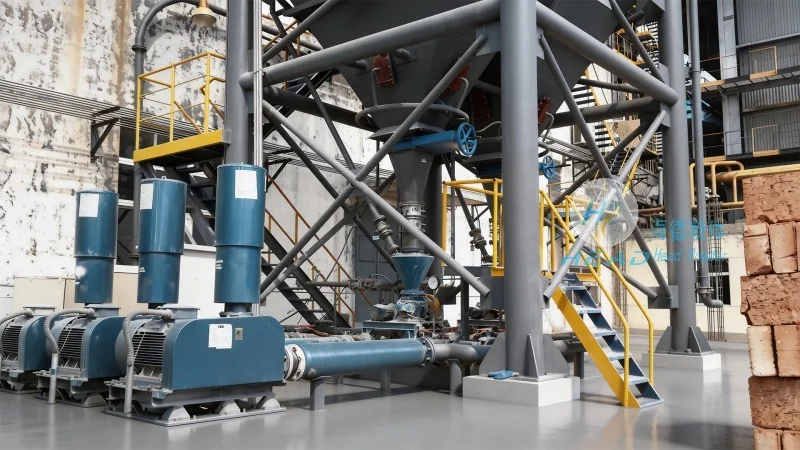
Operating Process of PVB Pneumatic Conveying
The operation of a PVB pneumatic conveying system follows a systematic process. Initially, the PVB material is fed from the hopper into the conveying pipeline. Simultaneously, the air compressor supplies compressed air into the pipeline. The air and material mixture is then propelled through the pipeline by the pressure differential created by the compressor. As the mixture travels, it may encounter bends or changes in direction, which are designed to minimize material degradation and ensure smooth flow. The system uses various control mechanisms to adjust the air flow rate and pressure, optimizing the conveying speed and efficiency. At the receiving end, the material is separated from the air, often through a cyclone separator or a filter, and collected in a storage bin or processing equipment. The exhaust air is then filtered to remove any fine particles before being released into the environment.
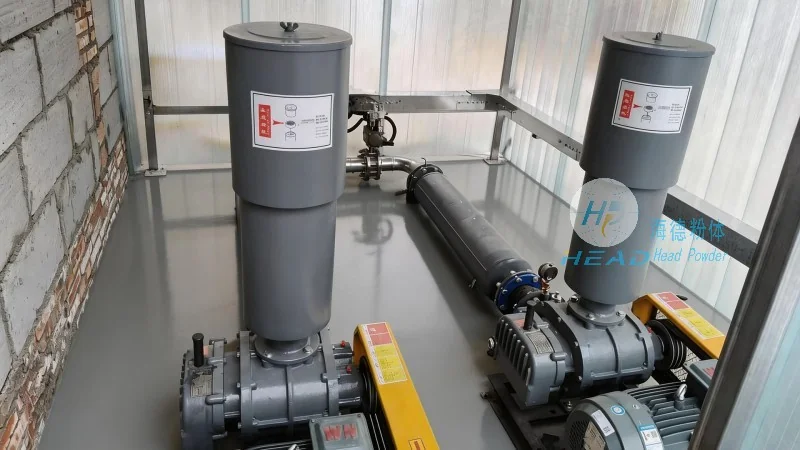
Working Principle of PVB Pneumatic Conveying
The working principle of PVB pneumatic conveying is based on the principles of fluid dynamics and particle transport. The system utilizes the kinetic energy of compressed air to lift and transport the PVB particles. The air flow creates a low-pressure zone in the pipeline, which draws the material from the hopper into the conveying stream. The material is then suspended in the air stream and carried to the destination. The key to efficient conveying is maintaining an appropriate air-to-material ratio, which balances the conveying speed with the risk of material degradation or blockage. The system's design, including the pipeline diameter, length, and inclination, is critical in achieving optimal performance. Proper maintenance of the components, such as the air compressor and control valves, is essential to ensure consistent operation and prevent system failures.
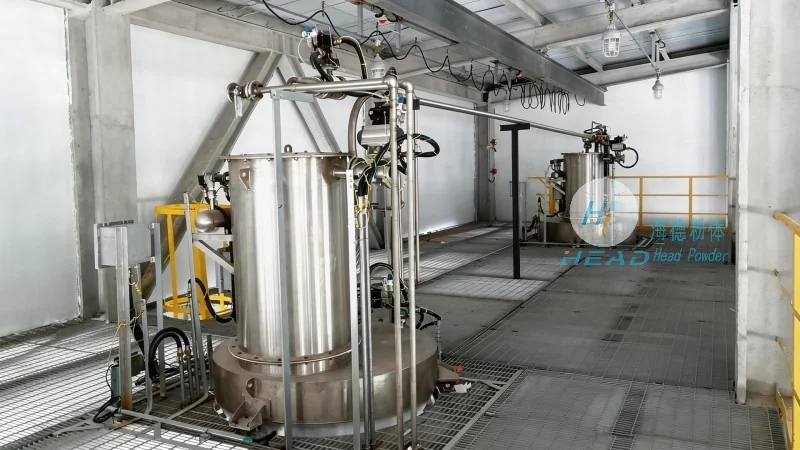
About Shandong HeadPowder Engineering Co., Ltd.
Shandong HeadPowder Engineering Co., Ltd., operating under the brand name headpowder, is a leading provider of industrial conveying solutions. With a strong presence in China, particularly in Shandong province, the company specializes in designing and manufacturing pneumatic conveying systems tailored to the needs of various industries, including those handling PVB and other polymers. HeadPowder's expertise lies in developing customized solutions that enhance material handling efficiency, reduce operational costs, and ensure compliance with safety standards. The company's commitment to quality and innovation has made it a trusted partner for businesses seeking reliable and efficient conveying systems.