

Operation Process and Working Principle of Low-Pressure Continuous Pneumatic Conveying Systems
Low-pressure continuous pneumatic conveying systems represent a sophisticated and efficient method for transporting bulk materials over medium to long distances. These systems are widely utilized in various industries, including food processing, pharmaceuticals, chemicals, and minerals, due to their ability to handle a wide range of materials while maintaining product integrity and operational efficiency. The technology behind these systems is rooted in the principles of fluidization and air movement, enabling the seamless transfer of materials from one location to another without the need for mechanical components like belts or buckets.
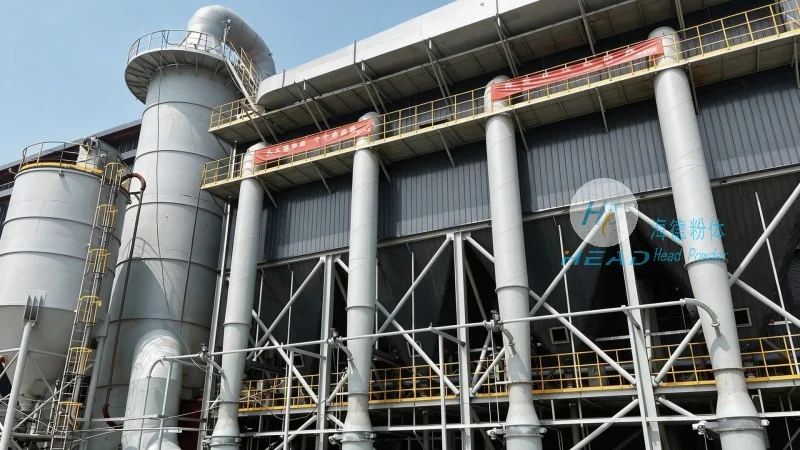
Company Overview: Shandong HeadPowder Engineering Co., Ltd.
At the forefront of pneumatic conveying technology is Shandong HeadPowder Engineering Co., Ltd., a leading manufacturer and supplier of advanced material handling solutions. With a strong presence in China, particularly in Shandong, the company specializes in designing, manufacturing, and implementing customized low-pressure continuous pneumatic conveying systems tailored to the specific needs of its clients. HeadPowder's expertise lies in optimizing material flow, ensuring minimal product degradation, and enhancing overall operational performance. The company's facilities, located in Shandong, China, are equipped with state-of-the-art equipment and a team of experienced engineers dedicated to delivering high-quality solutions that meet international standards.
Key Components of Low-Pressure Continuous Pneumatic Conveying Systems
The core components of a low-pressure continuous pneumatic conveying system include a material hopper, a rotary airlock valve, a conveying line, a dust filter, and a blower or fan. The material hopper serves as the storage and feeding unit, where bulk materials are loaded and prepared for transport. The rotary airlock valve, positioned at the discharge end of the hopper, acts as a seal to prevent air leakage and ensure a controlled flow of material into the conveying line. The conveying line, typically made of flexible or rigid tubing, transports the material through the system. The dust filter is crucial for maintaining air quality and compliance with environmental regulations, while the blower or fan provides the necessary air pressure to move the material along the line.
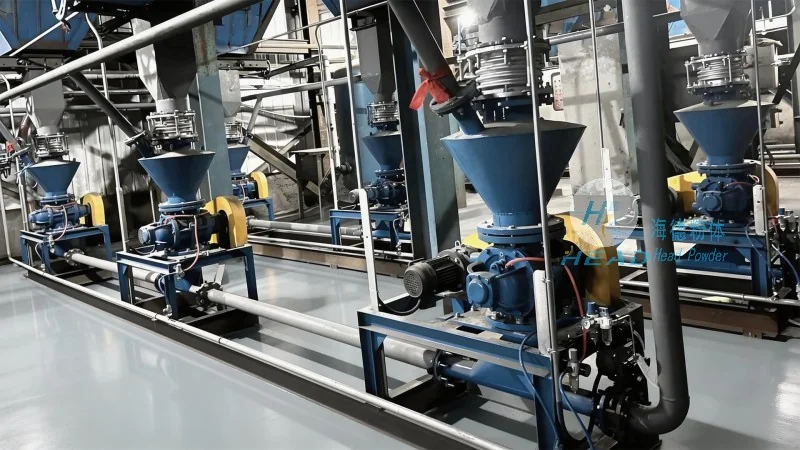
Working Principle of Low-Pressure Continuous Pneumatic Conveying
The operation of a low-pressure continuous pneumatic conveying system is based on the principle of air suspension, where the material is suspended in a stream of air and carried through the conveying line. The system operates at relatively low air pressures, typically ranging from 0.5 to 2 bar, which reduces energy consumption and minimizes the risk of material degradation. The process begins with the material being fed from the hopper into the conveying line through the rotary airlock valve. As the air is introduced into the line by the blower, it creates a low-pressure environment that lifts and transports the material particles. The material remains suspended in the air stream, moving along the line until it reaches the discharge point. At the receiving end, the material is collected in a receiving hopper or storage silo, and the air is filtered and recycled back into the system.
Operation Process: Step-by-Step Overview
The operation of a low-pressure continuous pneumatic conveying system involves several key steps that ensure smooth and efficient material transfer. First, the bulk material is loaded into the material hopper. The rotary airlock valve then regulates the flow of material into the conveying line, preventing backflow and maintaining a consistent feed rate. The blower or fan is activated, creating a low-pressure air flow that moves through the conveying line. As the air flows, it lifts the material particles, which are carried along the line at a controlled velocity. The material is then discharged at the receiving end, where it is collected in a storage container. The air, now containing dust and particles, passes through the dust filter, where the contaminants are separated and collected. The clean air is then recycled back into the system, completing the cycle. This continuous process allows for a steady and reliable transfer of materials, minimizing downtime and maximizing productivity.
Advantages of Low-Pressure Continuous Pneumatic Conveying
Low-pressure continuous pneumatic conveying systems offer several advantages over traditional material handling methods. One of the primary benefits is the ability to handle a wide variety of materials, including powders, granules, and even sticky or abrasive substances, without causing damage or degradation. The system is also highly flexible, as it can be easily integrated into existing production lines and adapted to different operational requirements. Additionally, the low-pressure operation reduces energy consumption and operating costs, making it an economical choice for long-term material handling needs. The system also provides a hygienic and dust-free environment, which is particularly important in industries such as food and pharmaceuticals where product purity is critical. Furthermore, the continuous operation of the system ensures a consistent flow of materials, reducing the need for manual intervention and improving overall operational efficiency.
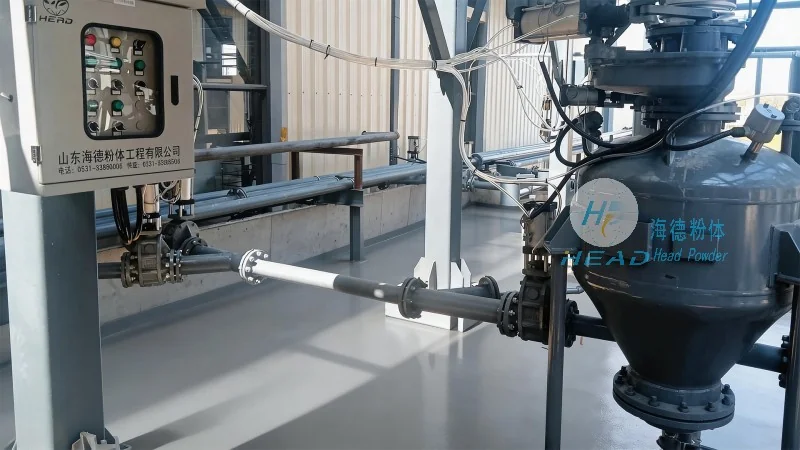
Applications and Industries
Low-pressure continuous pneumatic conveying systems are widely used in various industries due to their versatility and efficiency. In the food industry, these systems are used to transport ingredients such as flour, sugar, and spices, ensuring that the products remain fresh and free from contamination. In the pharmaceutical industry, the systems are employed to handle active pharmaceutical ingredients (APIs) and other sensitive materials, maintaining their purity and stability. The chemical industry utilizes these systems for transporting powders and granules, such as fertilizers and chemicals, while the minerals industry uses them to convey raw materials like coal and ore. The systems are also used in the agricultural sector for handling grains and other agricultural products, and in the construction industry for transporting cement and other building materials.
Conclusion and Company Commitment
Low-pressure continuous pneumatic conveying systems are a reliable and efficient solution for material handling in various industries. With its ability to handle a wide range of materials, maintain product integrity, and reduce operational costs, the technology continues to be a preferred choice for many businesses. Shandong HeadPowder Engineering Co., Ltd. remains committed to providing high-quality, customized solutions that meet the specific needs of its clients. By leveraging advanced technology and a team of experienced professionals, the company ensures that its low-pressure continuous pneumatic conveying systems deliver optimal performance and contribute to the success of its clients' operations. With a strong presence in China and a focus on innovation, HeadPowder is well-positioned to meet the evolving demands of the material handling industry and provide sustainable solutions for the future.