

The Operation Process and Working Principle of Powder Coating Pneumatic Conveying
Efficient and reliable material handling is a critical factor in the production and processing of powder coatings. Among various conveying methods, pneumatic conveying stands out as a preferred solution for transporting powder coatings due to its versatility, cleanliness, and ability to handle a wide range of powder characteristics. This article delves into the operation process and working principle of powder coating pneumatic conveying, providing insights into how this technology ensures smooth and efficient material transport in industrial settings.
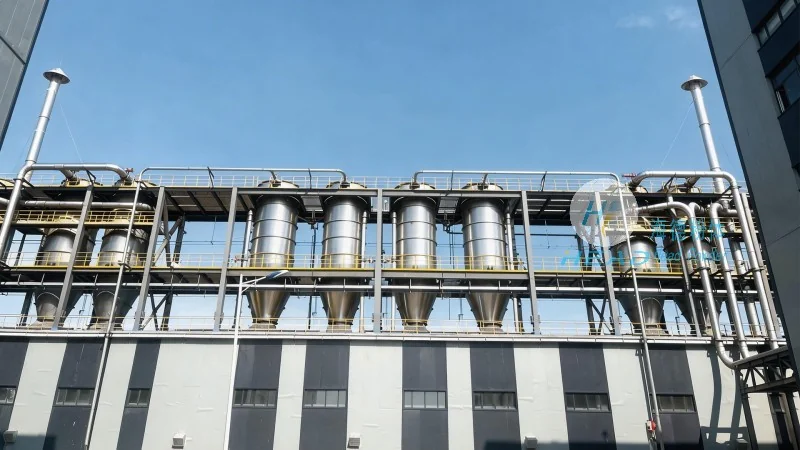
Overview of Powder Coating Pneumatic Conveying
Powder coating pneumatic conveying is a system that uses compressed air to transport dry powder materials, such as powder coatings, from one location to another. This method eliminates the need for mechanical components like belts or buckets, reducing maintenance requirements and minimizing the risk of contamination. The system typically consists of a hopper, a conveyor line, a control unit, and a dust collection system. The hopper holds the powder coating, while the conveyor line transports it through the system using air pressure. The control unit manages the air flow and pressure, ensuring optimal performance. The dust collection system captures any airborne particles, maintaining a clean working environment.
The Operation Process of Powder Coating Pneumatic Conveying
The operation process of powder coating pneumatic conveying involves several key steps that ensure the efficient movement of the powder. First, the powder coating is fed into the hopper from a storage container. The hopper is designed to hold a sufficient quantity of powder to maintain a consistent flow. Next, the compressed air is introduced into the system, creating a pressure differential that draws the powder into the conveyor line. The air and powder mixture travels through the pipeline, moving the powder from the source to the destination. At the receiving end, the air is separated from the powder, and the powder is discharged into the target container. The air is then filtered and returned to the system or released into the atmosphere, depending on the system design.
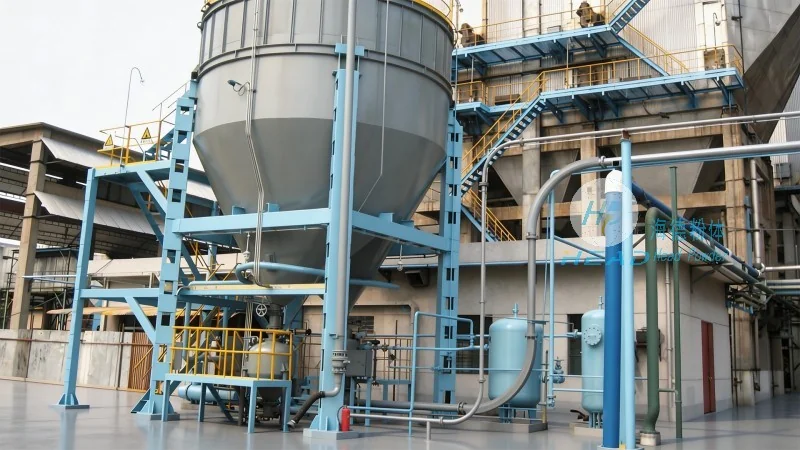
Working Principle of Powder Coating Pneumatic Conveying
The working principle of powder coating pneumatic conveying is based on the principles of fluid dynamics and particle motion. When compressed air is introduced into the hopper, it creates a low-pressure zone that draws the powder particles into the air stream. The air velocity is maintained at a level that prevents particle separation and ensures stable transport. The system uses either positive pressure or negative pressure (or a combination of both) to move the powder. Positive pressure systems blow air into the pipeline, pushing the powder forward, while negative pressure systems create a vacuum that pulls the powder into the line. The choice of system depends on the distance, height, and powder characteristics. The key to effective pneumatic conveying is maintaining a consistent air flow and pressure, as well as proper particle size and density to avoid blockages or uneven flow.
Key Components and Their Roles in the System
Several components work together to ensure the smooth operation of a powder coating pneumatic conveying system. The hopper is the primary container that holds the powder coating, providing a consistent feed. The feeder, often a rotary valve or a screw feeder, regulates the flow of powder into the conveyor line. The conveyor line, typically made of stainless steel or other corrosion-resistant materials, transports the powder and air mixture. The control unit, which includes pressure sensors, flow meters, and a control panel, monitors and adjusts the system parameters to maintain optimal performance. The dust collection system, such as a cyclone or a bag filter, captures any airborne particles, preventing contamination and ensuring compliance with environmental regulations. Each component plays a crucial role in the overall efficiency and reliability of the system.
Advantages of Powder Coating Pneumatic Conveying
Powder coating pneumatic conveying offers several advantages over traditional mechanical conveying methods. One of the main benefits is the elimination of mechanical parts, which reduces maintenance costs and the risk of wear and tear. The system is also highly flexible, allowing for changes in the layout or flow direction without major modifications. Additionally, pneumatic conveying is a clean and hygienic method, as it prevents dust from escaping into the environment and reduces the risk of contamination. The system can handle a wide range of powder characteristics, including different particle sizes, densities, and moisture levels. Another advantage is the ability to transport powder over long distances and at varying heights, making it suitable for complex production lines. Overall, the advantages of pneumatic conveying make it an ideal choice for powder coating applications where efficiency, cleanliness, and reliability are paramount.
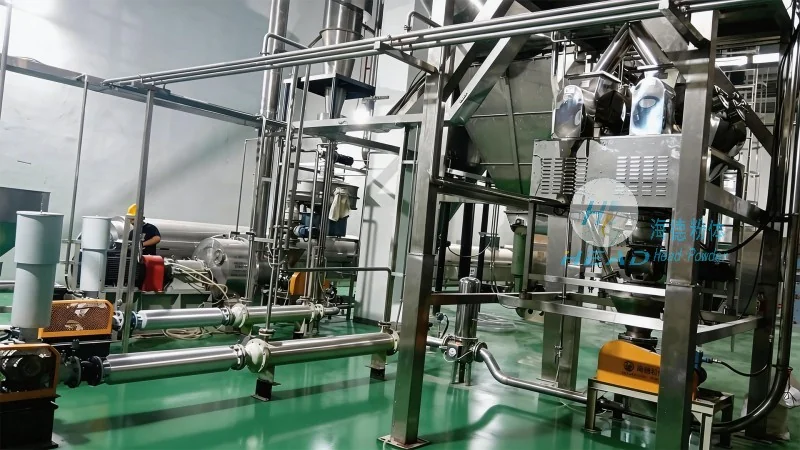
Applications in the Powder Coating Industry
Powder coating pneumatic conveying is widely used in various applications within the powder coating industry. One common application is the transport of powder coatings from storage silos to processing equipment, such as mixers or spray booths. The system can also be used to transfer powder between different production stages, ensuring a continuous flow of materials. In addition, pneumatic conveying is used in quality control processes, where the powder is transported to testing equipment for analysis. The system is also suitable for handling other dry powders, such as pigments, fillers, and additives, in the powder coating formulation process. The versatility of pneumatic conveying makes it a valuable tool in modern powder coating production, enabling manufacturers to meet high standards of efficiency and quality.
Conclusion
Powder coating pneumatic conveying is a sophisticated and efficient method for transporting powder coatings in industrial settings. By understanding the operation process and working principle of this technology, manufacturers can optimize their material handling systems, improve productivity, and maintain a clean and safe working environment. The system's advantages, including flexibility, cleanliness, and reliability, make it a preferred choice for powder coating applications. As the demand for high-quality powder coatings continues to grow, the importance of efficient material handling will only increase, making pneumatic conveying an essential component of modern powder coating production. With proper design and maintenance, pneumatic conveying systems can provide long-term benefits and contribute to the success of powder coating manufacturers.